This is the much-too-long Japan trip blog post that includes almost all my thoughts, comments, tips, and information about my partner and I’s 17-day Japan vacation, including Tokyo, Osaka, Kyoto, and Kanazawa. This post also includes information on accommodation, transportation, costs, activities, food, packing, and travel anxieties. For the TL;DR version – read it HERE.
Before our trip to Japan, I had three major worries, in order of intensity:
- Getting sick
- Getting lost
- Missing our pre-planned (and paid for) activities

1. Getting Sick: My Biggest Fear
I often get sick during or after traveling—around 50% of the time in recent years. It’s such a bummer to feel terrible, be contagious, or just not be my best self while on vacation. The emotional weight of this fear was rooted in a past experience: the only time I had COVID was after a work trip, just a month before a much-anticipated vacation to Hawaii.

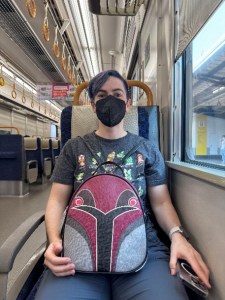
So this time, with 1.5 years of planning and every hour of vacation time saved up, I was determined to stay healthy. We did everything: took vitamins, exercised, ate well, brought immunity drinks, and masked up on the plane and in crowded areas like public transit and Star Wars Celebration. And this time, I didn’t get sick. That alone felt like a huge win.

2. Getting Lost: My Second-Most Anxiety-Inducing Fear
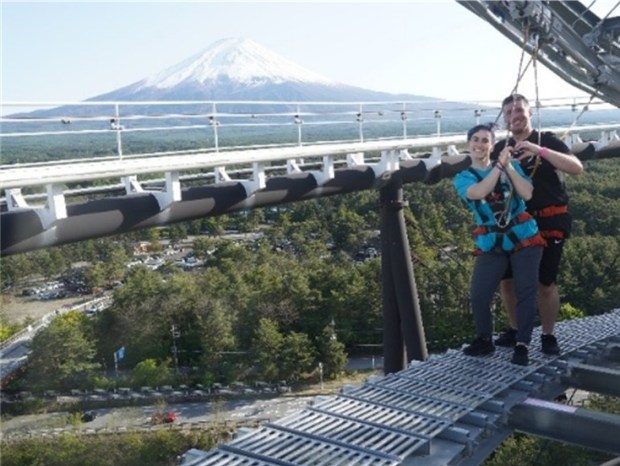
I don’t like being late, and I’m not great with directions. Add an enormous, foreign-language city into the mix, and I was nervous. But Tokyo surprised me in the best way. The train system has English signage, numbered lines, and consistent logic. Yes, it was overwhelming at first, but over time, I learned how to filter out the signs we didn’t need to look at. We only went the wrong way once, and it wasn’t a big deal. When we had trouble with kiosks or payment systems, the staff were always nearby and helpful. Our most stressful moment was trying to find Sukiyabashi Jiro (connected to the train station at a level below the ground through a nondescript door that looked like it led to an elevator). We were the closest to being late arriving, but it turned out all right. The only real hiccup was transportation to and from Fuji Q Highland, but even then, we weren’t lost—we were just navigating a more complicated route. We still managed to do about 90% of what we planned, and got back to Tokyo the same day.
3. Missing Activities: The Fear of Wasted Time and Money
We only missed one pre-paid activity: the interior walk of Osaka Castle. The line was long, it was hot, and we were too tired. Fortunately, a friend was able to use our reservation later that week.
Could we have done more, eaten more, seen more? Sure. But we also listened to our bodies. Even fun things—like shopping —can be exhausting. Trying to walk around Don Quijote during the day is an effort in navigating madness. Even at 1AM, it was crowded in the narrow aisles. Every outing took about 10% longer than Google Maps predicted. Plan accordingly and don’t expect to or try to do everything. With this attitude, we had the best trip. I stayed healthy. We never truly got lost. And we hit nearly all our major plans while still leaving time to just be in Japan. If you’re a planner or a worrier like me, here’s my takeaway: you can plan all you want, but the real success is in knowing when to adapt and to leave room to explore without having a particular destination.

What I Would Have Done Differently on Our Japan Trip
Even though our trip went incredibly well overall, a few things stand out in hindsight that would have made it smoother or more enjoyable:
1. Book Flights Directly With the Airline
If I could do it over, I wouldn’t book airline tickets through Priceline. Instead, I’d book directly with Japan Airlines or ANA. Doing so would give us more control over seat selection, upgrades, and flight changes—plus better support if issues arose. We also would have chosen different flight times. We flew out of Austin at 7 AM, which meant we were exhausted before the long international leg even began. Ideally, we would have flown out Tuesday evening to better manage jet lag and avoid arriving in Japan so late the following day. Additionally, our layovers were not optimal:
- On the way to Japan, we had a 4–5 hour layover in LAX, which was unnecessarily long.
- On the way back to the U.S., we also had a 4–5 hour layover at LAX—but this time, we needed the extra time. It took 1.75 hours to get through customs, pick up and recheck bags, and walk between terminals. Next time, I’d aim for a 3.5-hour layover when re-entering the U.S. to give us enough buffer without wasting hours in the airport.
2. Book Fuji Q Highland Transport Earlier
This was one of the most logistically complex parts of the trip. We should have secured Fuji Q Highland transportation tickets as soon as we knew the date we wanted to go. By the time we finalized the plan while already in Japan, direct transportation options were sold out. Instead of a same-day round trip from Tokyo (which involved 6.5 hours in transit), we would have preferred this plan:
- Travel to the Fuji area the day before and stay at an onsen hotel nearby
- Spend the next morning and early afternoon at Fuji Q Highland
- Return to the onsen hotel for rest and dinner
- Travel back to Tokyo the following day for one final night before the flight
Bonus tip: we could have sent our luggage ahead or stored it in Tokyo and traveled light for this short detour.
Lastly, purchasing the JR train fare on the fly was stressful—we were scrambling to convert the mobile reservation into a paper ticket just 15 minutes before departure. It worked out, but it was a close call.
3. Make Restaurant Reservations Much Earlier
We missed out on dining at several Michelin-starred restaurants simply because we waited too long. We started looking 3–4 weeks before the trip, but many top-tier places were fully booked months in advance. Next time, I’ll make dining reservations at least 2–3 months out, especially for high-demand restaurants.
4. Convert More Dollars to Yen Earlier
We converted some cash and made a few reservations when the exchange rate was favorable, but by the time we did more conversions and prepayments (4–6 weeks out), the rate had worsened. In the future, I’d:
- Convert more money when the rate is strong
- Prepay for more activities and hotels in advance to lock in the best value
5. Skip the Hotel Breakfasts
In one case (our Kanazawa Onsen hotel), I added breakfast thinking it would be convenient—but we ended up preferring to eat outside the hotel. Hotel breakfasts may be appealing in theory, but unless they’re something truly special or locally famous, we’d skip them next time in favor of exploring or revisiting some of our favorites at the local konbini (convenience store).

6. We Didn’t Need to Arrive So Early at DisneySea
We got to DisneySea at 5:45 AM to line up, thinking it was necessary—but in hindsight, arriving at 7:30 AM would have been just fine. Unless you’re among the first 20 or so people, everyone has to stand anyway. It’s still a long wait, but we could have gotten a bit more rest without missing out on booking DPAs.
7. Dress to Blend In More
I wish I had brought clothing that fit in better with local fashion. My bright colors, bold patterns, and leggings really stood out—Japanese street style tends to be more muted, layered, and elegant. I also didn’t need to bring any athletic wear (unless part of a convention costume) and definitely needed to pack more socks.
8. Bring a Travel Luggage Scale & Test Bags First
We didn’t bring our travel luggage scale, and one of our bags ended up over 50 lbs at the check-in counter. We had to repack at the airport in the heat, right in front of the desk, which was stressful and uncomfortable. We also used a backpack we didn’t love, and the straps ended up bothering us—next time, we’ll make sure all bags are tested and travel-ready.
9. Skip Osaka (For Us)
In hindsight, we would have skipped Osaka entirely. It was chaotically busy due to the World Expo and Golden Week, and it just didn’t feel as special after the more relaxed charm of Tokyo and Kanazawa. We would have rather spent more time in Kanazawa, explored a more remote location, or added an extra Tokyo day.
10. Arrive Earlier for Big Events (Like Star Wars Celebration)
We arrived in Japan at 7 PM the night before Star Wars Celebration began, and it was a high-stress scramble to get our badges in the last hour of pickup. Even though we left Austin early the morning before, the journey took nearly 24 hours, so in hindsight, leaving a day earlier would have reduced stress and allowed us to settle in.

What We Planned Well (or Just Got Lucky With)
While not everything went perfectly, so much of our trip went incredibly smoothly—thanks to careful planning, good instincts, and, in a few cases, some plain old good luck. These were the moments and choices that worked out exactly as we hoped (or better):
1. eSIM via Ubigi
Our Ubigi eSIM worked flawlessly across Japan. No SIM card swapping, no hunting for pocket Wi-Fi rentals—just instant connectivity the moment we landed. Reliable, fast, and convenient.
2. Suica Cards in Apple Wallet
Loading our Suica cards into our iPhone Wallets ahead of time was one of the best decisions we made. They worked seamlessly on trains, subways, and even at vending machines and convenience stores. Tap-and-go transit made navigation fast and easy.
3. Well-Timed Daily Itineraries
We did a great job not overloading our daily schedules. Our activities were ambitious but reasonable. We rarely felt rushed or overwhelmed, and we had room to pivot or rest when needed.
4. Smart Travel Time Buffering
We padded our travel time wisely. Whether heading to a reserved activity or catching a train, we always gave ourselves a generous buffer. This meant no panic, no mad dashes—just steady, confident travel.
5. Pokémon Café Reservation
It took some trial and error with the online system, but we managed to secure Pokémon Café reservations in advance—a notoriously difficult get. Totally worth it for the food, presentation, and themed experience.
6. Excellent Hotel Choices
Every hotel we booked was perfect for our needs. Spacious, clean, and in convenient locations. Paying extra to stay within walking distance of the convention center was absolutely worth it—even with inflated prices. Booking a higher-tier room meant we had access to a dedicated elevator, which saved us time and hassle, especially during peak hours when other guests were constantly queuing at the nearby APA hotel.
7. Sukiyabashi Jiro Reservation
A near miracle: we scored a reservation at Sukiyabashi Jiro, an exclusive sushi restaurant. It was only possible through Hilton Tokyo’s concierge service, and it felt like a once-in-a-lifetime win.
8. Tim Burton Sighting
While checking in to our Tokyo hotel post-convention, we had a surprise celebrity sighting—Tim Burton. I didn’t recognize him, but Jon did. Just a cool, unexpected moment that validated our hotel choice even more.
9. Perfect Train Timing
Despite Japan’s famously punctual transit system, it still felt like a feat that we caught every single train we needed, including:
- Our Shinkansen reservations, thanks to showing up early and navigating to the correct platform and boarding area
The critical return train from Fuji Q to Tokyo, which we booked and boarded within 30 seconds of departure after a tight transfer
10. Serendipitous Friend Meetup
We hadn’t seen these friends in over three years, and yet our Tokyo trips overlapped by pure coincidence. Even better, we found a large table at Lost Bar during Golden Week, which felt lucky considering the crowds.
11. Jet Lag Turned Advantage
Thanks to the time zone shift, we were waking up naturally around 5–6 AM each day. This gave us a huge advantage in beating crowds to popular destinations—mornings were quiet, lines were short, and everything felt more relaxed.
12. Budgeting for a Dream Trip
We saved money and vacation time for over a year and a half to take the exact trip we wanted—without compromise. That meant we could say yes to:
- The experiences we were most excited about
- The souvenirs we really wanted
- The peace of mind that comes with financial flexibility
13. Staying Healthy the Entire Trip
This cannot be overstated: we didn’t get sick. Not during the long flights, not at the massive convention, not using crowded public transit. After past trips where illness derailed major plans, this was a huge emotional and physical relief.

What We Wished We’d Bought/Brought Back More Of:

Regrettable Purchases
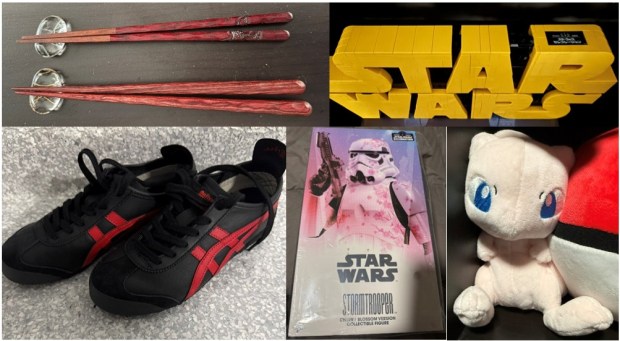
Favorite Souvenirs
- The ‘signed’ menu from Sukiyabashi Jiro that we somehow lost
- My beautiful Onitsuka Tiger leather shoes
- The Pokémon Mew plush that’s hard to find
- Star Wars Celebration Lego tile
- Cherry Blossom Stormtrooper from Hot Toys
- The gorgeous Japanese wood chopsticks and the beautiful gold/silver Kanazawa style chopstick rests
✈️ Travel Prep Checklist – Japan Trip
✅ Pre-Departure Essentials
- Set email away message (vacation auto-reply)
- Confirm eSIM (Ubigi or other) is active and working
- Suica/IC card topped up and ready (added to Apple Wallet if using mobile)
- Complete Visit Japan Web registration and save QR code (take a screenshot)
- Purchase travel insurance (I used AAA/Allianz – $138 for peace of mind)
📱 Must-Have Apps (Download, Log In, Familiarize)
- Tokyo Disney Resort App (for both Disneyland and DisneySea)
- Wanderlog (travel itinerary planner)
- Google Translate (download Japanese for offline use)
- Apple Translate
- Suica (wallet or physical card, manage balance)
- Calendar (double-check that all activities and reservations are added)
- Airline apps:
- Japan Airlines
- American Airlines
- Uber (used for airport trips—not taxi payments in Japan)
- TeamLab Planets App (used briefly during the exhibits)
- Ubigi (track mobile data usage – I used ~20GB)
- Priceline (used for some hotel/airfare bookings)
🗺️ Navigation & Entertainment
- Download offline maps (Portrait Maps or similar – select key areas manually)
- Download shows/music for the flight
- Restructure phone home screen for easy access to travel apps
🔌 Tech & Charging
- Charge phone, earbuds, portable batteries
- Pack adapters (Japan uses Type A/B plugs, 100V)
🛫 Departure Day Prep
- Check into flights
- Book Uber for the airport (or set a reminder to)
- Lay out travel outfit
- Place bags by the door
- Immunity drinks + snacks packed and ready
🏠 House Prep Before Leaving
- Take out trash and any perishable food
- Unplug appliances (TV, computers, etc.)
- Adjust thermostat
- Change or charge doorbell/camera battery
- Lock all windows and doors
- Clean out and empty Nespresso machine and tea kettle
- Pause gym membership (if needed)
🧾 What I Printed vs. What I Actually Used
Before the trip, I printed a set of key documents as a backup in case of tech issues, low battery, or situations where paper might be easier than fumbling with an app. Here’s what I brought—and how often I used each:
✅ What I Used:
- Copy of Passport
- Useful: I needed this during a hotel check-in when my partner wasn’t physically present.
- ✔️ Worth printing.
- Hotel Addresses
- Used for luggage forwarding services—having them printed made the process easier.
- ✔️ Worth printing.
- Activity Tickets / Confirmations
- For activities that required QR codes or scanning, the printed versions were often easier and faster to use than pulling them up from an app.
- ✔️ Worth printing, especially for busy or time-sensitive activities.
❌ What I Didn’t Use:
- Copy of Driver’s License
- Never needed to show it for any purpose.
- ❌ Could skip next time.
- Flight Tickets
- Used mobile boarding passes throughout the trip.
- ❌ Didn’t need printed copies.
- Emergency Contacts
- Fortunately, no emergencies—this info stayed in the folder the whole time.
- ❌ Didn’t use, but still smart to have just in case.
- Health & Travel Insurance Documents
- Also not needed (thankfully), but good peace of mind to have them printed.
- ❌ Not used, but keep in future for just-in-case scenarios.
- Full Printed Itinerary (reservations + addresses)
- I defaulted to my travel apps and calendar for all daily plans and reminders.
- ❌ Didn’t use the printed version once.
Takeaway for Next Time
I’ll still print key backups (passport copy, hotel addresses, scannable tickets, insurance info), but skip the extras like the full printed itinerary or license copies. It’s about finding the right balance—bringing enough to be prepared without wasting paper or space.
Accommodations: Where We Stayed & Why It Worked
Because we planned a multi-city trip across Japan, we stayed in five different hotels over 17 days. While this could have been a logistical headache, we strategically packed and utilized luggage forwarding services to make transitions between cities easy and stress-free. Our hotels played a huge role in the success and comfort of our trip. Japan has a wide range of lodging options—from business hotels to luxury ryokan—and we were deliberate in choosing places that aligned with our priorities:
- Location – We wanted to minimize walking and be close to stations or key destinations.
- Room Size – Enough space for two people and luggage, without feeling cramped.
- Quality & Comfort – Based on photos, reviews, and amenities.
💰 Total Spent on Hotels: $4,908
Average Per Night: ~$288
Every dollar felt well spent—we were comfortable, well-rested, and in great locations that made our daily travel easier.
What Worked:
1. Location, Location, Location
Every hotel we stayed in was strategically located, which made a major difference in daily logistics and overall energy levels. Our Tokyo hotels were close to train stations, convenience stores, and in one case, walking distance to the convention center, which saved us time, stress, and energy during Star Wars Celebration.
2. Splurging on Upgraded Rooms Was Worth It
We booked slightly higher-tier rooms, and that came with huge benefits: more space, better views, and in one case, access to a special elevator.
3. Every Hotel Felt Clean, Spacious, and Comfortable
Japanese hotel rooms are known for being small, but we never felt cramped, thanks to smart room selection and hotel design. The spaces were thoughtfully laid out, well-lit, and felt high-end.
4. Our Onsen Hotel in Kanazawa
This stay was one of the most relaxing parts of our trip. The traditional touches, the private bath, and the overall calm of the setting added depth to our experience. While we didn’t love the hotel breakfast, the stay itself was completely worth it.
5. Luggage Forwarding and Storage
We fully took advantage of luggage-forwarding services, and we noticed most hotels were extremely accommodating with baggage storage.

- Room Type: Executive Double Non-Smoking (280 sq. ft.)
- Cost: $977 for 4 nights
- Why It Worked:
- We chose this hotel for its walking distance to the Makuhari Messe during Star Wars Celebration, and that decision paid off daily.
- The executive rooms were on private-access floors with their own elevator, and we never waited more than 30 seconds to get to our room.
- The room was larger than most options nearby, and the window opened, letting in the cool night air—a small luxury.
- Ideal for conventions or events in the Chiba area.

- Room Type: Superior Double Non-Smoking (344 sq. ft.)
- Cost: $650 for 3 nights via Priceline
- Why It Worked:
- We got this room at a great rate after a price alert, and the spacious layout exceeded expectations.
- Close to Shimbashi Station, Tokyo Station, and other central Tokyo areas.
- A great mid-point between affordability and convenience without sacrificing comfort.
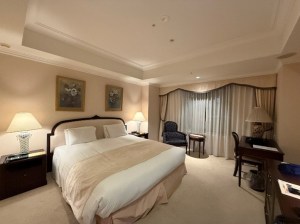
- Room Type: Standard Twin Non-Smoking (323 sq. ft.)
- Cost: $1,270 for 4 nights
- Why It Worked:
- Yes, this hotel was pricier, but it was 100% worth it for the location and amenities.
- A FamilyMart on the ground floor and direct subway access made getting around Osaka super easy.
- Located walking distance from Dotonbori and Namba nightlife.
- Bonus: We discovered a rooftop bar with panoramic views and inventive cocktails (one even came with a bubble you pop and a sweetness syringe!). The Disney music on the self-playing piano made the experience feel like a dream.
- Price for two drinks: ¥3,920 (~$27) after the 10% guest discount.


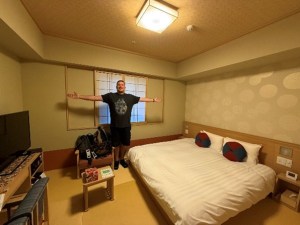
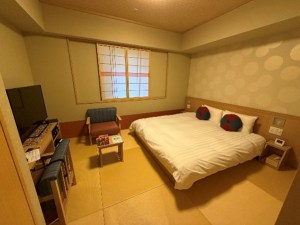
- Room Type: Moderate King Room (201 sq. ft.), No View
- Cost: Paid using 57k Alaska Airlines miles (est. $741 value) for 2 nights, includes breakfast
- Why It Worked:
- We wanted a traditional Japanese onsen experience, and this hotel delivered.
- You remove your shoes upon entry and wear slippers throughout—charming and very Japanese.
- The rooftop onsen was a highlight, although it did get crowded during peak hours, especially for women.
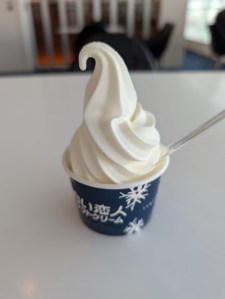
- Included post-onsen ice cream, late-night ramen, and a stylish, calming atmosphere.
- Only downside: small elevators and occasional wait times.
- Room Type: King Room with Breakfast (323 sq. ft.)
- Cost: $1,270 for 4 nights at a reduced rate
- Why It Worked:
- Our most luxurious stay. Spacious, modern, and serene—especially valuable after our busy days in Tokyo.
- Though slightly removed from the Shinjuku chaos, it was still a short walk to the nearest station.
- We often needed to transfer trains, but this was never an issue thanks to the frequent service.
- The concierge helped us land a reservation at Sukiyabashi Jiro, one of the highlights of our entire trip.
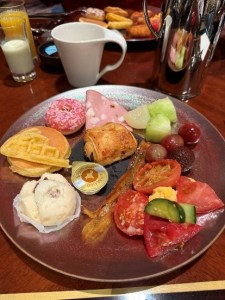
- The in-hotel breakfast was forgettable—there are better food options nearby—but the room itself gave us enough space to unpack all our souvenirs and still have room left over.
🚆 Transportation: How We Got Around Japan
We used nearly every mode of transportation imaginable: airplane, Uber, taxi, bus, train, Shinkansen (high-speed rail), and our own two feet—quite a lot, actually.
✈️ Flights: Austin → Tokyo (via LAX)
Austin doesn’t offer direct flights to Tokyo, and surprisingly, it wasn’t cheaper to fly out of Dallas or Houston. So we opted for an early morning departure from Austin with a layover in Los Angeles (LAX).
- Airline Booking: We booked our tickets through Priceline about 7 months in advance. Each ticket was $1,337, totaling $2,675 for two economy seats.
- We booked the “no changes, no refunds” tier for savings, but were still able to select our seats directly through the airline afterward—scoring a coveted 2-seat row on our LAX → Tokyo leg.
- If our budget allowed, we would’ve preferred to fly direct with ANA or Japan Airlines (~$2,000+ per ticket at the time), but our compromise still worked well.

🚕 Narita Airport → Hotel: The One Time We Took a Taxi
Everyone warned us: Don’t take a taxi from Narita—it’s expensive and public transit works well in Japan. But… we did it anyway.
- Our flight landed 45 minutes late, and customs + baggage took another 45 minutes.
- We were in a time crunch to pick up our Star Wars Celebration badges before the convention started, and public transit just wouldn’t get us there in time.
- Tried Uber first, but no drivers accepted. Switched to a taxi via the Uber app—it cost ~ $120.
- Note: Uber has limitations in Japan, often requiring pickups/drops away from standard taxi areas, which may be why our initial request failed.
🚖 Local Taxis
While we relied heavily on trains and buses, we did take a few taxis:
- When public transportation shut down, or when a short taxi ride saved us a long walk or complex transfer, we opted for a cab.
- Payment options included cash or apps like “S. Ride” (though we didn’t end up using S. Ride ourselves).
- Taxis are clean, reliable, and polite, just more expensive than trains.

🚉 Trains, Suica Cards & City Transit
For city travel, we mostly used local trains and buses.
- Between the two of us, we took 53 separate trips.
- Total spent: ¥13,301 each (~$92 USD) on our Suica cards, which we preloaded and added to our iPhone Wallets—making tap-ins and transfers effortless.
🚄 Shinkansen & Long-Distance Travel
We used high-speed trains (Shinkansen) between major cities:
- Tokyo → Osaka: Booked Green Car class seats – ¥38,380 (~$265)
- Highly recommend Green Car for comfort and space if it fits the budget.
- Kanazawa → Tokyo: Tried Gran Class – ¥64,060 (~$440)
- Not worth the price difference. It didn’t feel significantly different from Green Car.
- Mount Fuji was not visible on our route, but it can be on clear days if you’re seated on the correct side.
We also used the JR Central Takayama-Hokuriku Area Tourist Pass:
- Cost: $130 USD per person for a 5-day pass.
- We activated it at a JR ticket counter, which took time and required in-person assistance.
- The value was borderline, but we did get our money’s worth, especially with our Osaka → Kanazawa route.
👟 Walking
Despite all the trains and taxis, we still walked—a lot.
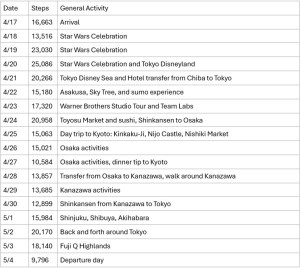
- Total steps: 297,218
- Total distance: ~126 miles
(That’s the distance from Seattle to the Canadian border)
- Estimated calories burned: ~9,100
Even shopping was a workout—navigating Don Quijote or train stations was no joke. Comfortable shoes were essential.
| Mode |
When/Where Used |
Cost (Approx.) |
Convenience |
Would Recommend? |
| ✈️ Airplane (Austin → Tokyo via LAX) |
Booked via Priceline (7 months out) |
$2,675 for 2 tickets |
⭐⭐⭐⭐☆ (good flight, long day) |
✔️ Yes — budget-friendly, but direct flight next time if affordable |
| 🚕 Taxi (Narita → Makuhari) |
Airport → Hotel on arrival |
~$120 USD |
⭐⭐⭐⭐☆ (fast + direct) |
✔️ Yes — only when in a time crunch |
| 🚗 Uber in Japan |
Attempted from Narita; not accepted |
Not used successfully |
⭐☆☆☆☆ (unreliable) |
❌ No — limited availability and pickup zones |
| 🚖 Local Taxis |
Used late-night and for short hops |
~¥1000–¥2500 per ride |
⭐⭐⭐⭐☆ (easy + clean) |
✔️ Yes — selectively for comfort or late night |
| 🚊 Trains (Suica) |
Daily city transportation |
¥13,301 each (~$92) |
⭐⭐⭐⭐⭐ (fast, efficient) |
✔️ Yes — absolutely essential |
| 🚌 Buses |
Occasional use in cities + Fuji Q trip |
Included in transit costs |
⭐⭐⭐☆☆ (less frequent) |
✔️ Yes — good supplement to trains |
| 🚄 Shinkansen – Green Car |
Tokyo → Osaka |
¥38,380 (~$265) |
⭐⭐⭐⭐⭐ (super comfortable) |
✔️ Yes — worth it if budget allows |
| 🚄 Shinkansen – Gran Class |
Kanazawa → Tokyo |
¥64,060 (~$440) |
⭐⭐⭐⭐☆ (nice, but overpriced) |
❌ No — not worth the upgrade from Green Car |
| 🎫 JR 5-Day Tourist Pass |
Osaka → Kanazawa & local travel |
$130 USD |
⭐⭐⭐☆☆ (value + time tradeoff) |
✔️ Maybe — value if fully used, but activation is a hassle |
| 👟 Walking |
Everywhere! |
Free |
⭐⭐⭐☆☆ (tiresome but rewarding) |
✔️ Yes — expect to walk A LOT |
Activities and Food Highlights in Tokyo
Activities in Tokyo
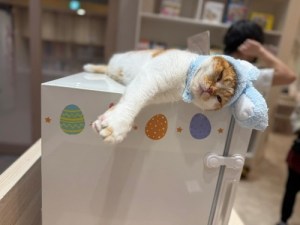
Tokyo offers an incredible variety of experiences, from the serene to the fantastical. We dove into everything from the quirky Cat Café in Aeon Mall Makuhari—where you remove your shoes, don slippers, and enter a calm haven filled with playful and sleepy cats—to the high-energy thrills of Tokyo Disneyland and DisneySea.
If you’re a pop culture fan, don’t miss the Warner Bros. Studio Tour Tokyo: The Making of Harry Potter, a magical experience bringing the Wizarding World to life. Meanwhile, historic and spiritual seekers will appreciate the peaceful ambiance of Sensoji Temple, Tokyo’s oldest temple, with its vibrant Nakamise-dori street full of traditional snacks and souvenirs.
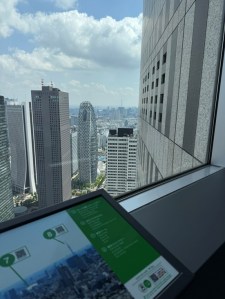
For panoramic city views, the Tokyo Skytree and Tokyo Metropolitan Government Building Observatory offer breathtaking sights of sprawling Tokyo. And for those who love tech and gaming, Super Potato and the Akihabara district are treasure troves of retro and modern electronics and games.
Food in Tokyo
Gyoichi Kaihinmakuhari, Aeon Mall Food Hall, Ippudo Ramen at Ikspiari, Asakusa Unana, Ujishia Gion Tsujiri, Gansozushi, Nakamise-dori street ice cream and strawberry treats, Warner Brothers’ Studio Tour Eats, Azabudai Hills Market, Kura Sushi, Senri-ken at Toyosu Market, Sushi Dai, Tokyo Station ekiben, Lost bar, Sukiyabashi Jiro, Pikachu Sweets Café, Mos Burger, Gyoza Hohei Shinjuku, Masuya, Royal Host, Starbucks…
Gyoichi Kaihinmakuhari in Makuhari area:
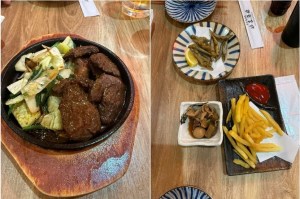
We made a reservation in advance for this izakaya, knowing that going during the Star Wars Celebration, the restaurant would be crowded/potentially unavailable. They were turning away walk-ups when we were there. As with Izakaya (a Japanese-style pub), this was a smoking bar, and there were a number of people smoking. As with Izakaya, it was also quite loud – the normally reserved Salarymen were letting loose, laughing, talking, and having a good time. We learned immediately (as we had been told ahead of time in some planning videos) that the waitstaff do not come to you and don’t check on you. We had to get their attention (raising your hand and saying ‘sumimasen’). They also did not make our last order of food or drinks within our allotted time, and we had to leave without getting our last order. They are very strict on the 2-hour time limit for the all-you-can-drink special. We spent ¥6624 (~$45) for the all-you-can-drink along with several small plates. I wouldn’t go back here or necessarily recommend this izakaya.
Cat Cafe in Aeon Mall Makuhari:

We were walking around the Aeon Mall in Makuhari and spotted this cat café, and I immediately had to go inside. They had me take off my shoes, put them in a locker with some of my things, and put on their slippers before entering the café area. You pay upon exit, and it’s a timed visit. The cats were very docile. Some were playful. Some were sleepy. Some looked a bit odd.
Aeon Mall Makuhari food court:
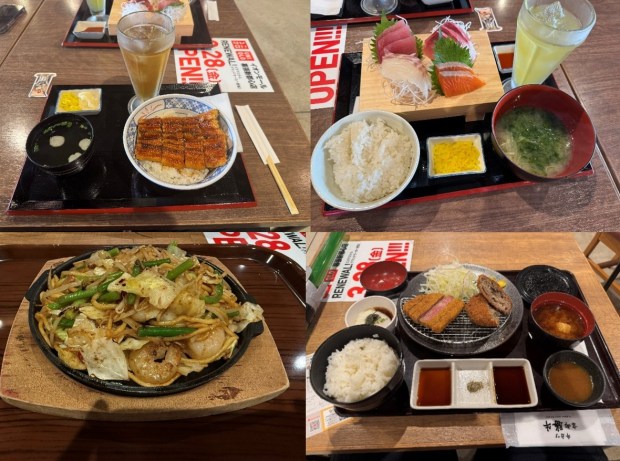
We first attempted to get food from the food court area at the Aeon Mall within walking distance of the Makuhari Messe on Thursday evening, but of the places we tried, they indicated they were closed (it was 30 minutes to close at the time). The next day, we went back in the late afternoon to try some places. I wasn’t overly impressed by the food, but it was fun to try different items.
Tokyo Disneyland:
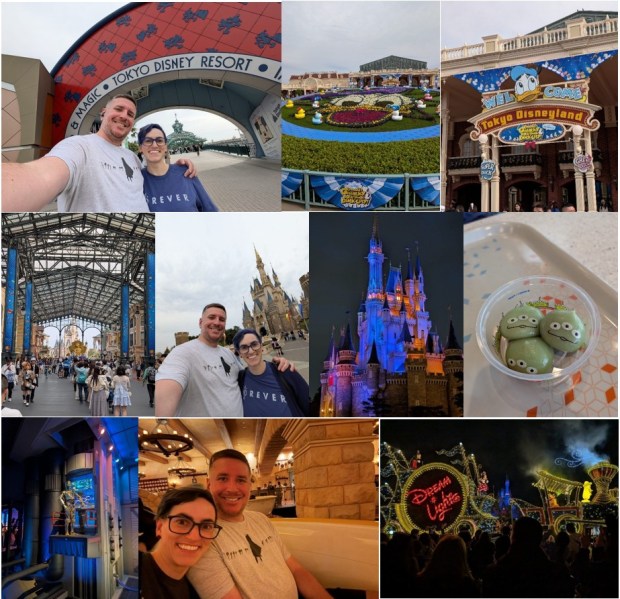
Tokyo Disneyland has lower-cost evening tickets available for the equivalent of $99 for 2 persons when we went, and you can enter at 3PM. We arrived around 3:30PM and immediately grabbed a priority pass for Star Tours. Tokyo Disney does not have a Galaxy’s Edge, and Star Tours is their only Star Wars-related ride. We were also able to ride Haunted Mansion, It’s a Small World, the Happy Ride with Baymax, and the Enchanted Tale of Beauty and the Beast. We also grabbed priority passes for the Electric Light Parade. I love how Tokyo Disney has designated spots for their parades, as indicated by numbers on the ground instead of a free-for-all all-roped-off area like at California Disneyland. And everyone is seated so shorties like me can see from several rows back. We grabbed a Shoyo and butter popcorn to enjoy while we waited and watched the parade. It was magical. After the parade (started at 7:30PM), we left the park for the day and felt like the 4ish hours we spent there was a perfect amount of time to enjoy a few rides without feeling exhausted. We ended our day by walking around Ikspiari (the Tokyo equivalent of Downtown Disney) and ate at the popular ramen place that was recommended:
Ippudo Ramen.
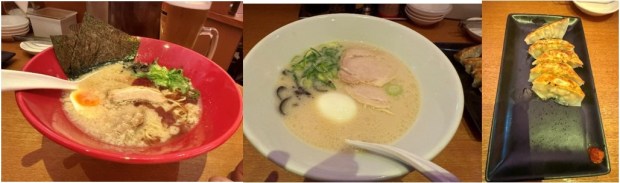
We walked around Ikspiari to find the Ippudo Ramen (second floor). We stood in line for ~30 minutes. The food came out super-fast because we ordered while waiting in line, and it was ready within 2 minutes of sitting down when seats became available. We each got a ramen, Jon got a beer, and we shared an order of gyoza for ¥3400 (~$23). It was delicious, and the ramen was a huge portion. This was a good recommendation for ramen!
Tokyo Disney Sea

Immediately after 3 days of convention and a partial Tokyo Disney day, we committed to a full day at Disney Sea. It would have been better to have 1-2 chill days at an onsen in between the convention and our two days at Disney, but we didn’t have a lot of days to rest with our trip. Disney Sea is a far more interesting park than Tokyo Disneyland, and almost everything at Disney Sea is new or different from Disney in the US. We paid about $119 for 2 tickets for the full day and then spent an additional ~$136 on DPA passes (skip-the-line passes). This amount is still less than a single-day ticket to Disneyland/Disney World (the last time I went, tickets were hovering around $200/each for a 1-park and no fast passes).
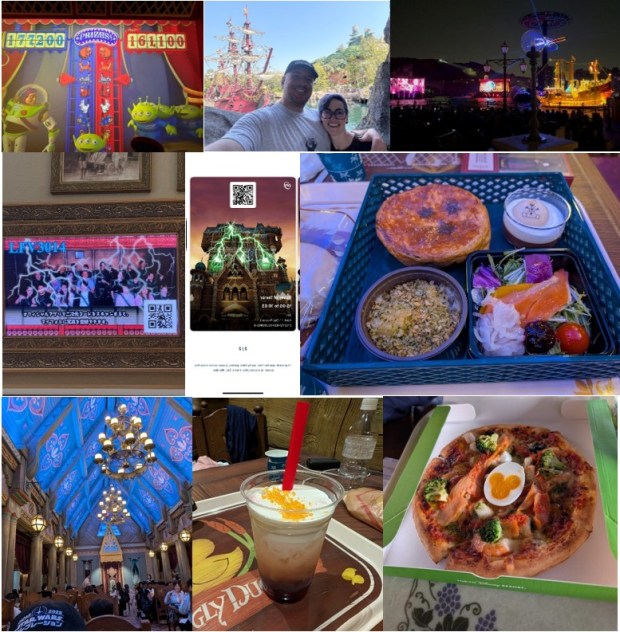
We lined up at 5:40am outside of Disney Sea but could have arrived later (there were 5-6 people in every line at that point). DPA passes were available throughout most of the morning before 10-11AM. Mobile order was easy all day long. It got really crowded after 11am (Fantasy Springs was crowded all day long). I would recommend getting DPA if you can for all the fantasy springs rides and walking on other rides in the morning while everyone else beelines for Fantasy Springs.
This was our game plan and ended up being our actual plan:
• 40th pass Indiana Jones (Lost River Delta)
• Walk on raging River (we didn’t plan on walking onto this ride, but it had no wait time as we were walking past, and we figured we had time before scanning into our first DPA)
• DPA Premier fantasy springs frozen
• DPA Premier fantasy springs rapunzel
• DPA Premier fantasy springs Peter Pan
• Food – the snuggly duckling with a mobile order
• DPA Premier journey to the center of the Earth
• 40th pass Nemo and friends searider
• Royal banquet of Arendelle with mobile order
• The Magic Lamp theater 40th pass
• Casbah food court with mobile order
• Caravan carousel
• Sindbad
• DPA Premier- tower of terror
• DPA Premier – Toy Story mania
• Popcorn – garlic scallop butter
• DPA Premier soaring’
• Zambini dinner
• DPA Premier standing, Believe Sea of Dreams show
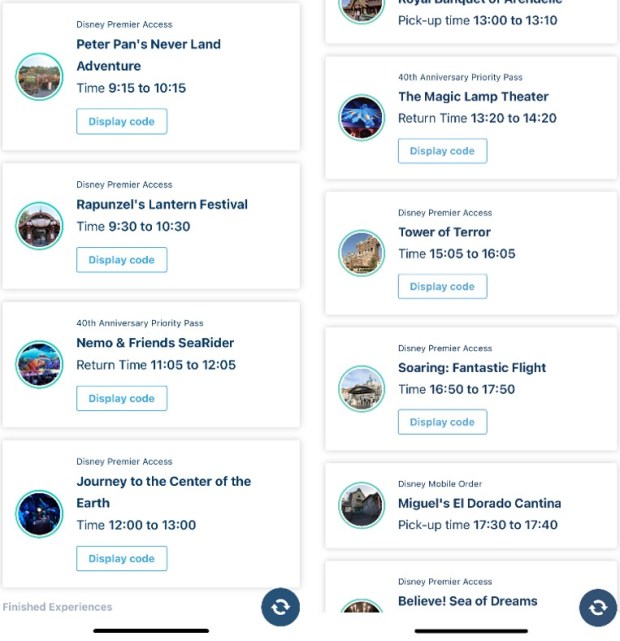
We ran out of steam toward the end of the day, especially after standing and walking so much that we left after the first 10 minutes of the Believe show. It was also quite windy and cold by then. I would have wanted to meet Duffy and ride Aquatopia, but we were very satisfied with the amount we were able to do in our day and ready to rest after our 45-minute train ride to our new hotel for the next few days.
Asakusa Unana – eel rice ball street food
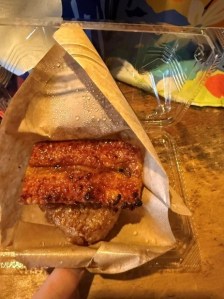
This spot came highly recommended by several YouTube food vloggers, and their advice was spot on—arrive early, as the eel often sells out. Asakusa Unana offers two types of eel rice balls: regular and spicy. While it’s on the pricier side for street food (about ¥1350 / ~$9 for one of each), it was absolutely worth it.
They open at 9:30AM, and thanks to a detailed blog post I found ahead of time, the directions and ordering process were easy to follow. The rice balls were flavorful and fresh, with just the right balance of savory eel and soft, warm rice. There’s a designated eating area a little ways down the street—but be warned, it’s not very clearly marked and can be easy to miss.
If you’re an eel fan or just want to try something unique while exploring Asakusa, I’d say this is a must-try snack.
Senso-Ji Temple – our first historical stop in Tokyo

It felt a bit strange that several days into our trip, we still hadn’t seen any historical landmarks. Being in Japan for nearly a week without visiting a single temple made it feel like we were experiencing only the modern side of Tokyo. That changed when we finally made it to Senso-ji Temple in Asakusa.
We arrived around 9:45AM, and the temple grounds were already fairly busy, but still manageable. After taking some photos and soaking in the atmosphere, we tried our luck with the traditional Omikuji fortune slips. For 100 yen, you drop a coin into the box, shake a metal cylinder filled with bamboo sticks, and draw one at random. The stick corresponds to a numbered drawer, where you retrieve your fortune.
Jon ended up with a bad luck slip, while I pulled a neutral one—not the worst outcome, but not quite “great blessing” either! It was a fun little tradition to experience firsthand and added a cultural moment to what had been a very modern itinerary up until then.
Tokyo Skytree – soaring views and a bit of chaos

Out of all the observation decks in Tokyo, the Tokyo Skytree was the only one I booked in advance because it fit best with our itinerary. While there are several skyscrapers in the city that offer skyline views, we opted for the Tembo Deck at the Skytree. Tickets can be reserved up to 30 days in advance, and I paid ¥4,200 (~$29.25) for two people.
We went at 11AM, and while it wasn’t overly packed, it was still moderately crowded. We waited about 15–20 minutes for the elevator ride up. Unfortunately, Mt. Fuji wasn’t visible that day due to the partially cloudy weather—a common risk, even with advance tickets. The skies were just a bit cloudy, but the city views were still expansive and worth it.
The Tembo Deck itself has a few fun features, including a glass floor panel you can stand on if you’re feeling brave, as well as a café and a gift shop. The real challenge came when it was time to go back down—the lines were unclear and the space became chaotically crowded, with people pushing forward trying to find the right queue. It definitely wasn’t the smoothest exit experience.
Booking online in advance does get you a discount, but be prepared: there’s no refund or reschedule option if the weather doesn’t cooperate.
Ujishia Gion Tsujiri – the best matcha of the trip

Hands down, the best matcha I had during the entire trip was a spontaneous stop at Ujishia Gion Tsujiri in Skytree Town. We happened to see it as we were going up the escalator in the mall, and I’m so glad we followed our instincts and stopped.
We ordered the matcha sweets tea set and the matcha parfait, which came with a side of thick matcha sauce—and it completely blew me away. The flavors were deep, rich, and perfectly balanced without being too sweet. It was creamy, earthy, and beautifully presented. This matcha was truly next-level. If you’re even remotely a matcha fan, this spot is a must.
Yokozuna Tonkatsu Sumo Experience – lunch and a live sumo demo

Since our trip didn’t align with the official sumo tournament schedule (matches are only held during certain months of the year), we found the next best thing—an interactive Sumo demonstration experience combined with a traditional meal prepared by sumo wrestlers.
We booked the Yokozuna Tonkatsu Sumo Experience, and it turned out to be a fun and unique cultural event. Tickets were ¥22,000 (~$148.90) for the two of us. After submitting a show request through their booking site, we received an acceptance email and a PayPal invoice to confirm and secure our seats.
Seating was arranged in shared tables of four or more, forming a semi-circle around the demo area, with a couple of additional tables set in the back. It was a cozy and lively setup that encouraged some interaction with the other guests. Watching the sumo demonstration up close, hearing about the traditions, and enjoying a meal made by former wrestlers gave us a glimpse into sumo culture we wouldn’t have otherwise had. A great alternative if you can’t catch a tournament!
Gansozushi – a delicious sushi snack
On our way back to the Nakamise Dori shopping street, we hopped off the bus and stumbled upon Gansozushi, a small, unassuming sushi spot that looked perfect for a quick bite. There was only one other customer when we walked in, giving the place a relaxed and welcoming feel.
We weren’t especially hungry, so we ordered just a few pieces to snack on—but every bite was incredibly fresh and flavorful. For just ¥2,695 (~$18), it was the perfect light sushi fix in the middle of our sightseeing. This kind of spontaneous food stop is one of the joys of exploring Tokyo!
Nakamise-dori street – a strawberry lover’s dream
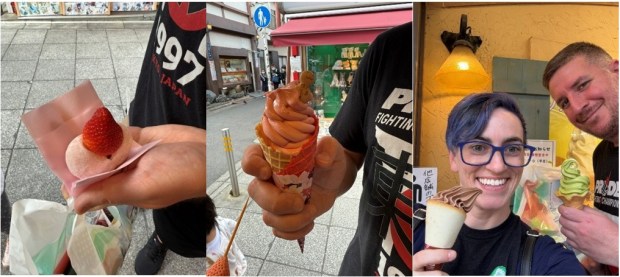
While I’m not the biggest fan of the infamous strawberry Daifuku, we couldn’t skip trying it while wandering Nakamise-dori, one of Tokyo’s most iconic street food spots. We sampled:
- A strawberry Daifuku
- A strawberry skewer
- Strawberry soft serve
- Red and white candy-coated strawberries
The strawberries were absolutely incredible—so fresh and sweet that I actually preferred them plain over the more elaborate versions. We spent around ¥3,400 (~$23) on these fruity treats and loved the variety.
We also couldn’t resist trying one of the other hyped items: the silk thread sweet potato with ice cream from Imo Pippi for ¥1,400 (~$9.66). The soft-serve ice cream topped with delicate, spaghetti-like strands of sweet potato was surprisingly good. The silky texture of the potato threads made it both unique and fun to eat.

Warner Bros. Studio Tour Tokyo: The Making of Harry Potter

I wasn’t entirely sure what to expect with this experience—part of me assumed it would be similar to Universal Studios’ Wizarding World of Harry Potter, complete with ride lines and packed attractions. Instead, what we got was something entirely different: an immersive, museum-style fantasy tour focused on the Harry Potter and Fantastic Beasts film series.
The setup is beautifully done, with intricate exhibits showcasing the artistry and behind-the-scenes magic of the films. We purchased our timed-entry tickets in advance and chose the earliest time slot of the day, which turned out to be a great decision. For ¥19,300 (~$134.41) for two people, we received:
- Entry to the tour
- Two audio guides (which we found cumbersome and didn’t use)
- One souvenir guidebook
💡 Tip: The audio guides weren’t very practical—bulky, with cords and headphones that got in the way. If you’re touring solo, they might be helpful, but for a pair or group, you may enjoy the experience more without them.
The tour is self-guided and extremely photo-friendly—you can take pictures almost everywhere, with the exception of the green screen/broom flying photo-op area. If you want those fun flying photos or videos, you’ll pay for them at the counter after your session (packages start at ¥4,000/~$28).
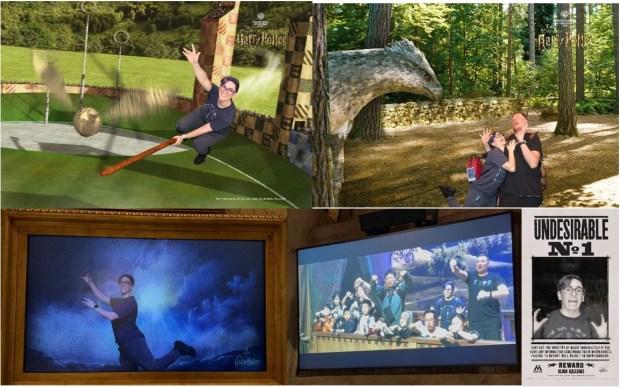
Midway through the tour, you’ll find a cozy Butterbeer Café, a great spot to take a break. The entire walkthrough took us about 2.5 to 3 hours, and we only had to speed up after the halfway point to make it to another activity. The interactive exhibits, such as the Quidditch match and other green screen experiences, were smoothly managed, and we were able to enjoy them all with minimal wait time.
🛍️ Gift Shop Alert: The massive gift shop at the end is one of the most extensive and well-stocked theme gift stores I’ve ever seen. Multiple themed rooms with every kind of Harry Potter merchandise imaginable—you’ll want to budget time (and maybe money) for it.
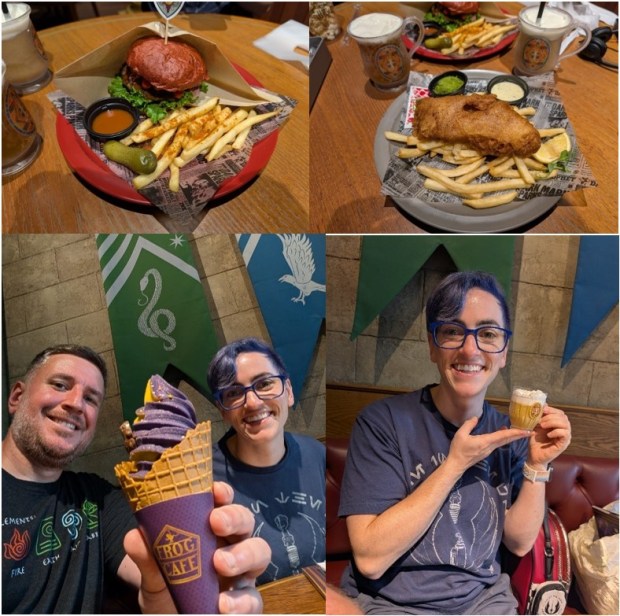
Warner Bros Studio Tour Eats – worth the calories?

We definitely worked up an appetite exploring the tour and ended up sampling quite a bit of food.
- 🧈 Butterbeer (Regular & Frozen) – Delicious! Both options were sweet and satisfying, and they come in a souvenir plastic cup for ¥1,250 (~$8.62). Bonus: there are sinks nearby to rinse them out after.
- 🍿 Popcorn – Skip this one. Despite the magical setting, the flavor was nothing special.
- 🥯 Niffler Bun – Adorable and totally edible. A whimsical touch we couldn’t resist.
- 🐟 Fish & Chips – Crispy and surprisingly good.
- 🍔 Burger – Decent, but nothing out of this world.
- 🍮 Butterbeer Pudding – Fun, tasty, and perfectly themed.
- 🍨 Orange & Purple Ice Cream – It’s a sorbet, and unless you’re a sorbet fan, it might not be for you.
The main food hall near the entrance is beautifully themed and offers a wide range of sweets and savory items. While prices are slightly higher, you’re definitely paying for the immersive experience as much as the food quality—and overall, we felt it was worth it.
TeamLab Borderless – a digital art wonderland
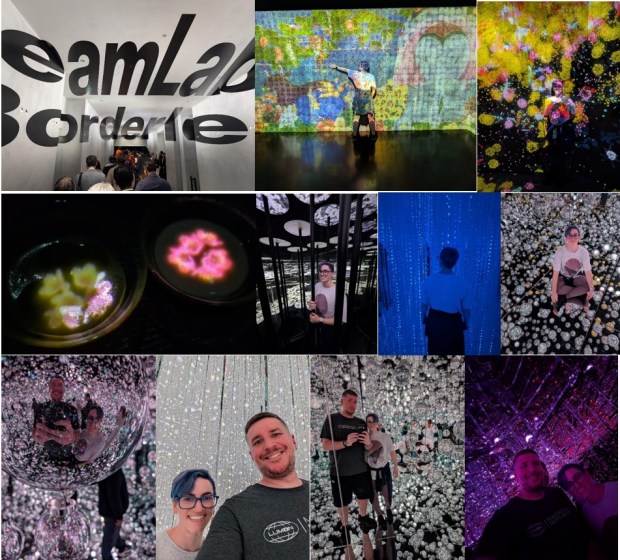
I’d heard mixed reviews about the TeamLab digital museums, and to be honest, there was no way I was going to do TeamLab Planets—the barefoot, water-wading experience just didn’t appeal to me. Instead, we opted for TeamLab Borderless, which held the title of most-visited single-artist museum in the world until recently (that honor now belongs to Planets).
TeamLab Borderless isn’t your typical museum. There’s no set path, and the digital installations shift, evolve, and react to your presence. You can spend 30 minutes or 3 hours, depending on how deeply you want to immerse yourself. We spent about 1.5 hours, including time at the En Tea House, which I’d definitely recommend as a worthwhile add-on.
We booked timed-entry tickets for 3PM, which felt like a sweet spot—enough people to feel energized, but not too packed. The only two areas that felt congested were:
- 🎨 The draw-your-own-artwork room, where you can create a drawing and watch it animate and move across the walls.
- 🍵 The En Tea House, which had a bit of a confusing entrance line.
We waited about 10 minutes in the drawing room line without any movement, so we bailed. For the tea house, we stuck it out and were seated after 15 minutes, and it was absolutely worth it. Watching your tea flower bloom and shift colors in reaction to the movement of your cup was mesmerizing—an elegant, calming contrast to the dazzling, high-energy art around the museum.
🗓️ Tickets (which include the En Tea House option) must be reserved in advance—we booked about two months out. For two timed entries plus the tea house, we paid ¥10,800 (~$75.21).
Azabudai Hills Market – eel, elbows, and elusive seating
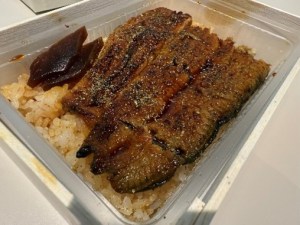
After visiting TeamLab Borderless, we explored the Azabudai Hills Market, a sleek, modern shopping complex packed with upscale food options. We were particularly excited to try more eel, and picked up a pre-made eel box from one of the vendors inside the gourmet food hall.
The food itself looked promising, but the seating situation left much to be desired. There was a designated area with tables just outside the food area—convenient in theory—but nearly every seat was taken, and frustratingly, half the tables were occupied by people not eating at all. In a country where “no eating while walking” is a strongly observed social norm, it felt especially inconsiderate to see prime eating space used for casual relaxing.
We hovered awkwardly for about five minutes until a table finally opened up. By that point, we were pretty hungry, but unfortunately, the eel didn’t quite deliver. The flavor was fine, but not memorable, especially for the hefty price tag—we paid ¥8,443 (~$58) for the eel box along with some additional snacks and drinks. Overall, this wasn’t a standout meal, and I wouldn’t go out of my way to repeat the experience, especially without a guaranteed place to sit.
Kura Sushi – conveyor belt sushi
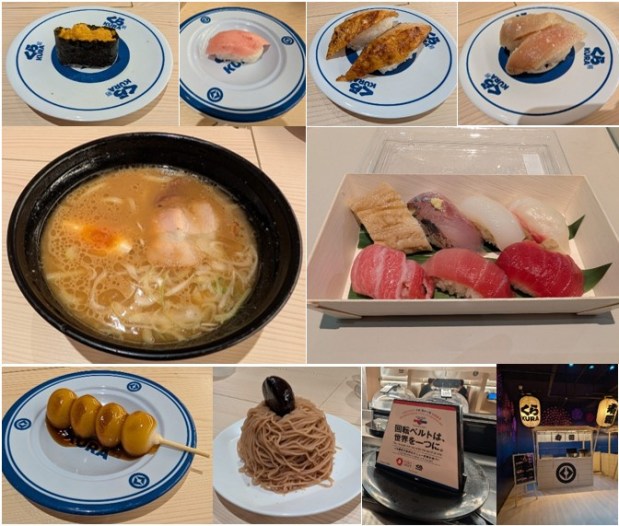
Back home in Austin, we had a pretty disappointing experience with the Kura Sushi there—the ramen was nearly indigestible. However, word on the street is that Kura Sushi in Japan is a whole different ballgame.
The one we visited was located inside a mall, and the system was impressively automated. You start by grabbing a ticket from a machine, then wait for your number to be called. After that, you enter your number into another machine, which assigns you a table. Payment is handled separately at yet another machine. Once seated, you order everything from an iPad at the table—no servers needed. It was fun and kind of novel to have a no-interaction meal where you could just focus on the food.
The quality was noticeably better than the US locations, and we enjoyed a wide variety of dishes during our visit. We spent about ¥8,443 (~$58), but you can absolutely eat well for much less, with plates starting at just ¥115 (~$0.80).
If you’re looking for a quick, tasty sushi fix without the usual restaurant fuss, this Kura Sushi is a solid pick.
Senri-ken at Toyosu Market – early morning coffee pit stop
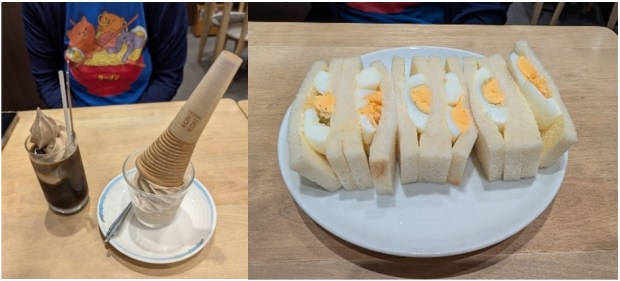
At 5:15AM, with some time to kill before our early sushi breakfast, we ducked into this cozy little mom-and-pop shop near Toyosu Market for a coffee break. We couldn’t resist pairing our fancy ice cream coffees with a snack, so we went for the egg sandwich — though I have to say, it wasn’t quite on par with the legendary egg salad sandwiches from Lawson’s.
The vibe was charmingly local and authentic, making it a memorable stop regardless of the food/drinks. We spent about ¥2,620 (~$18) here, which felt fair for a unique early morning experience at the bustling Toyosu Market.
Sushi Dai – a must experience sushi breakfast
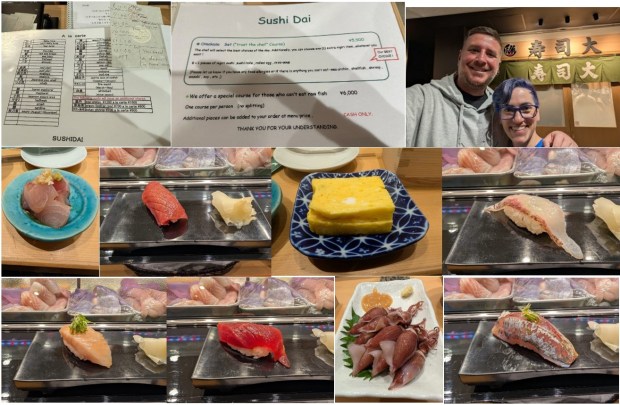
If you’re a sushi lover, Sushi Dai is an absolute must-visit. The catch? There are no reservations, and the first seating begins at 6AM — so if you’re not there early, you risk missing out for the entire day. We took a taxi and arrived at 4:10AM, landing 11th and 12th in line.
By the time the doors opened, the 6AM and 7:20AM slots were already full, the 8:40AM seating had just one seat left, and later times only had bar seats available. This bustling spot offers incredible value for the freshest seafood you can find. The Omakase set is just ¥5,500 (~$38), but we couldn’t resist ordering a few extra delicacies and sake to kick off the morning.
In total, we spent ¥21,560 (~$149) for two, and every yen was worth it. Sushi Dai delivers a true Tokyo breakfast experience you won’t forget.

Toyosu Fish Market
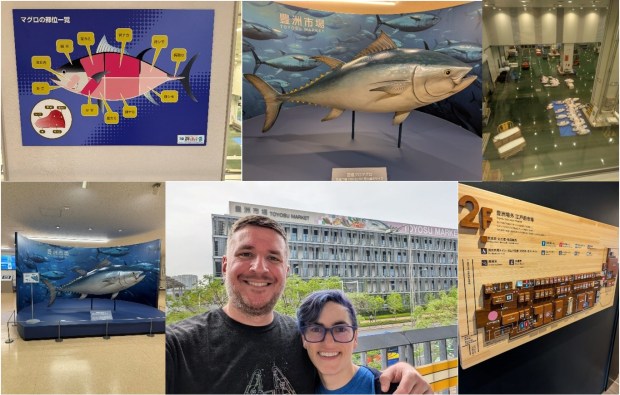
After enjoying our unforgettable Sushi Dai Omakase breakfast, we took some time to explore the Toyosu Fish Market. Unfortunately, by the time we arrived, the famous early morning auction was already over, and workers were busy cleaning up and putting away the leftovers. There wasn’t much left to see.
In hindsight, we would have preferred to catch the fish auction itself rather than stopping for coffee beforehand — it’s definitely a must-see spectacle for any fish market visit.
Tokyo Toyosu Manyo Club – our first onsen experience

I have mixed feelings about this visit because, somewhere between paying for our sushi omakase, using the locker at the onsen, and checking my wallet back at the hotel, about $140 went missing. Did I misplace it? Spend it without realizing? Or could it have fallen out of my bag—or even disappeared from the locker? It’s hard to say. Given how secure the locker and my belongings seemed, I’m inclined to think I miscounted or misplaced it along the way.
Despite that hiccup, the onsen itself was a truly peaceful and rejuvenating experience. The facility wasn’t crowded when we visited, which made it easier to enjoy the baths without feeling rushed or overwhelmed by crowds.
One of the highlights was the free footbath on the rooftop, which opens at 9 AM. It offered a beautiful view and a perfect spot to relax and soak your feet while enjoying some fresh air. We were some of the only people there at that time, so it felt like a quiet little escape away from the busy city.
Tips for visiting Toyosu Manyo Club:
- Bring your own towel for the footbath if possible. Towels are available for purchase from vending machines, but bringing your own saves a bit of money.
- The onsen offers both indoor and outdoor baths, so if the weather’s nice, don’t miss the chance to relax outside.
- Many onsens have strict rules about tattoos—if you have any, check in advance whether they’re allowed here or if you’ll need to cover them.
- Plan your visit either early morning or late evening to avoid crowds and enjoy a more serene atmosphere.
- If you’re new to onsens, look up basic etiquette, like washing thoroughly before entering the baths and not bringing towels into the water.
Overall, Toyosu Manyo Club is a great spot for a calming break, especially after a busy day exploring Tokyo’s bustling markets and neighborhoods. Even if the money situation was frustrating, the quiet restorative soak was worth it.
Tokyo Station ekiben – once was enough

I have to admit, Tokyo Station ekiben was my least favorite food experience on the trip—especially when it came to eel. Ekiben are these beautifully packaged boxed bento meals, often sold at train stations for travelers. While they look convenient and tasty, the eel ekiben I tried didn’t quite live up to expectations. The eel itself was underwhelming in flavor and texture, which was disappointing given how much I was looking forward to it.
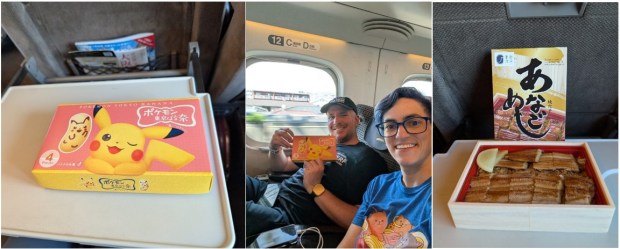
On a sweeter note, we also picked up our first Tokyo Banana—a popular souvenir treat. The one we got was Pikachu-themed, which was absolutely adorable and perfect for train snacking or gifting. However, as much as I loved the cute packaging and soft sponge cake, I wasn’t blown away by the taste. Tokyo Banana is essentially banana pudding encased in a light, soft sponge cake. Coming from Austin, where we have amazing banana pudding, I found the Tokyo Banana a bit overhyped and mild in flavor.
Overall, while ekiben and Tokyo Banana are iconic Japanese travel snacks and fun to try at least once, I’m not sure I’d seek them out again on a future trip.
Lost bar – foreigners in a foreign land

Ever since discovering YouTuber Chris Broad (Abroad in Japan) opened the Lost Bar in Tokyo, visiting it became a must on our itinerary. What made the visit even more special was the chance to reunite with old friends from years ago! I hadn’t seen one friend since living in Seattle, and now she and her husband live in Hawaii, while Jon and I are based in Austin. It was pure serendipity that we all happened to be in Tokyo at the same time!
The creativity at Lost Bar is something else. The entrance is cleverly hidden within a wall of gachapon machines, giving it a secretive, fun vibe from the start. The drinks have quirky, imaginative names, and the décor is unique and immersive. The crowd was mostly fellow foreigners, making the atmosphere feel like a little escape from the typical hustle and bustle of Shibuya—just streets away yet worlds apart.
We were lucky to snag an open table right when we arrived. Drinks run about ¥1400 (~$9.50), and the overall experience was totally worth it. If you’re a fan of Japan’s underground bar scene or just want a cool spot to chill with a creative cocktail, Lost Bar is an absolute must-visit.
Pokémon Center Osaka, Kyoto, Tokyo – gotta catch them all

My partner and I don’t share many interests, but one we both truly enjoy is Pokémon. During our trip, we made it a point to visit Pokémon Centers in three different cities: Osaka, Kyoto, and Tokyo. Each store had its own unique vibe and exclusive items that made exploring them super fun.
One highlight was Jon finally tracking down a Mew plushie—something he’d been hunting for a while—at one of the centers. Meanwhile, I picked up some cute Pokémon-themed earrings along with other fun souvenirs. Whether you’re a hardcore collector or just a casual fan, visiting these Pokémon Centers is a delightful experience full of nostalgia and quirky finds!
Tokyo Metropolitan Government Building Observatory – a free activity and vista
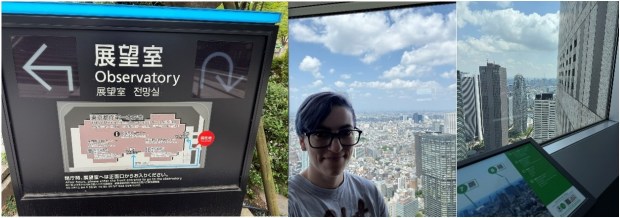
While Tokyo offers countless activities that come with a price tag, there are also some amazing free experiences—and this observatory is definitely one of the best. Unlike Tokyo Tower, Skytree, and Shibuya Sky, which all charge for admission, the Tokyo Metropolitan Government Building Observatory lets you take in sweeping city views completely free of charge.
You can visit either the North or South tower, with elevators to the observation decks located on the ground floor for easy access. It’s a fantastic way to enjoy panoramic views of Tokyo without spending a yen—and if the weather’s clear, you might even spot Mt. Fuji in the distance!
Sukiyabashi Jiro – the endgame of sushi experiences
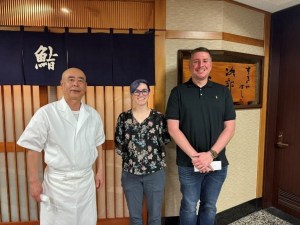
Our priciest meal of the entire trip—and, honestly, my life—was a once-in-a-lifetime reservation at the legendary Sukiyabashi Jiro. Now run by Jiro’s son, Yoshikazu Ono, this once Michelin-starred sushi restaurant (no longer officially starred) is notoriously exclusive. You can’t book directly; reservations must be made through a hotel concierge, which is how we secured a coveted spot via the Hilton Tokyo concierge during our final four nights in the city.
From the start, the experience felt intense: a strict dress code, a no-nonsense cancellation policy, and a firm reminder to arrive 10 minutes early. For two people, the 20-course omakase set us back about ¥132,000 (~$920)—an extravagant splurge.
I was nervous about everything—from dressing appropriately, finding the unassuming Ginza main branch location, following the strict etiquette, to the fear of fumbling the delicate sushi. The rice was incredibly soft and fluffy, barely held together, demanding gentle hands and precise chopstick skills. Admittedly, I stuck to eating with my hands, which is acceptable and, frankly, less stressful for me!
Every piece of sushi was a revelation: the squid was magically tender, the bonito blew me away and became my favorite sushi of all time, while the uni was fresh but still not to my personal taste. The entire meal was a nerve-wracking but unforgettable “wow” moment.
Photography inside the restaurant is strictly forbidden, but the chef kindly took photos of us outside afterward and stamped our menu as a keepsake. Sadly, we misplaced those souvenirs—but the memory of that extraordinary meal will always stay with us.
Pikachu Sweets Café
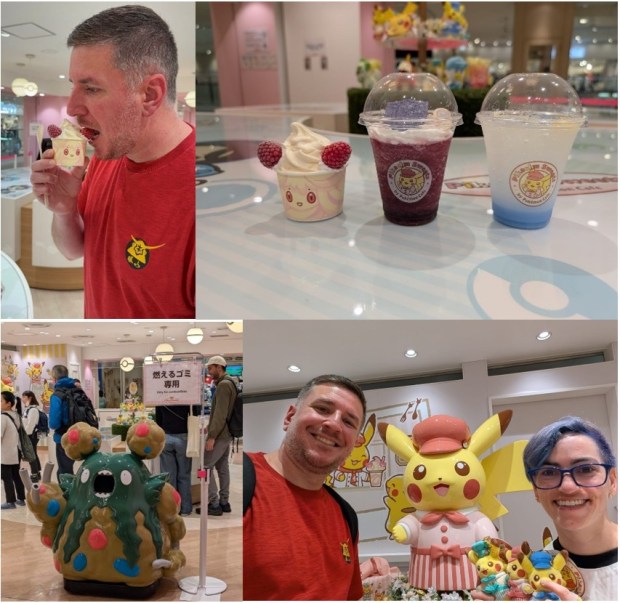
Located inside Sunshine City mall near the Pokémon Center, this takeaway-only café is a fun stop for any Pokémon fan. The café offers some adorable Pikachu-themed treats, along with exclusive stuffed Pikachu plushies that you won’t find elsewhere. We picked up three stuffed Pikachus and three sweet treats, spending about ¥7,191 (~$50). The treats were cute and enjoyable, though nothing truly extraordinary. Still, it was a charming little stop for fans of the franchise!
Pokémon Café Tokyo and Osaka

After waking up at 4AM for several days, Jon managed to secure reservations for both the Osaka and Tokyo Pokémon Café locations, while I got a Tokyo booking as well. Reservations open early and sell out fast, with additional slots releasing every 20 minutes. It’s worth checking for cancellations or trying the walk-up line, as most walk-ins we saw were seated without much wait.
The café theming is fantastic, and the live shows are fun—though entirely in Japanese. Seating matters for the best view: counter seats near Pikachu provide the best experience, while seats farther away or at the end of the café make it harder to see the show clearly.
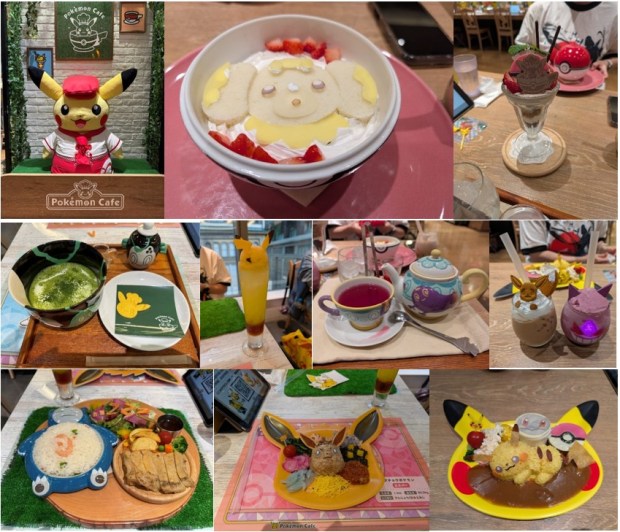
We visited three times—probably two times too many! The food is adorable but mostly just okay. My favorite was the soufflé pancake (¥2,090/~$14.42) and the printed latte art. Themed drinks, especially teas, were also enjoyable. You’re allowed 90 minutes per visit, with last orders 30 minutes before the end. Prices are on the high side, but you’re paying for the atmosphere and show.
Merchandise can be pre-ordered with your reservation or bought next door at the Pokémon Center. The crowd was surprisingly adult-heavy, with fewer children than expected.
If you’re a Pokémon fan, this café is a must-see for the immersive theming and experience—but I wouldn’t recommend waiting more than 30–40 minutes in the walk-up line.
Akihabara Retro Gaming & Electronics
While in Akihabara, we explored the maze of tiny, multi-story stores hunting for retro gaming consoles and unique used electronics. The area felt less busy than expected, but the small shop sizes made even a few people feel crowded.
Finding specific games was a treasure hunt—mostly organized but often only in Japanese. I spent about 30 minutes carefully scanning shelves, translating game titles with Google Translate section by section. It was a rewarding experience for collectors or anyone interested in vintage Japanese gaming.
Mos Burger

After hearing about Mos Burger from Abroad in Japan’s YouTube channel, we finally got a chance to try it at Fuji Q Highland Park. We ordered three burgers (one as a meal), spending about ¥2,140 (~$15). The burgers were modestly sized and tasted decent—though a bit on the salty side. A solid fast-food option with a Japanese twist.
Gyoza Hohei Shinjuku and Masuya

We visited Gyoza Hohei Shinjuku craving good soba and were happy with our meal—2 soba bowls plus a beer for just ¥1,900 (~$13.27). Later, we stopped by Masuya for some gyoza, which was tasty but quite oily. Both spots offered satisfying, affordable bites.
Royal Host – the slowest service of the trip

We’d heard about this chain from Abroad in Japan’s YouTube channel and noticed a location near the Hilton hotel on our way to the train station. After ordering, we experienced the longest wait for food since arriving in Japan—odd given how few people were there. When the food finally arrived, it looked simple but tasted amazing. We opted for drinks from the all-you-can-drink soda bar, and our two brunch entrees plus drinks came to ¥4,510 (~$31.48). The atmosphere reminded me of a classic American diner.
Harajuku Sweets Tour – our first, last, and only ‘tour’

The only booked tour we took during our trip was a food tour with Shizuka from the YouTube channel byFood, which was an absolute highlight. We had enjoyed watching her videos and dreaming about Japanese treats, so meeting her and spending the afternoon eating around Harajuku was a real treat. The 4-hour tour included sweets, savory bites, a sit-down okonomiyaki meal, gachapon machines, a purikura photo stop, and more. The cost was about $215 per person.

Toho Cinemas Movie – an enviable movie-going experience

I kept urging Jon to check out the iconic Godzilla head perched atop Hotel Gracery in Shinjuku. Luckily, during our stay, a major blockbuster—The Thunderbolts—was released, and we managed to catch a late-night showing. Watching a movie in a Japanese cinema was a real treat—the audience was incredibly respectful and silent throughout, not even laughing at the ‘taco’ joke! Tickets were ¥2700 (~$18.77) each. The concession stand had quirky snacks, including corn potage flavored popcorn. After the movie, we took an adventurous 20-minute walk back to our hotel through Shinjuku at 1 AM. Despite Japan’s usual cleanliness and calm, a Saturday night in Shinjuku was a whole different vibe.
Starbucks Ginza and regional treats

I made it a point to visit Japan’s very first Starbucks, which opened in Ginza in 1996. We walked by the iconic location (I snapped a photo) and later tried some unique regional menu items—like a strawberry frappuccino and a sakura donut. It was fun comparing this to the original Starbucks we’ve been to back in Seattle!
Activities and Food Highlights in Osaka and Kyoto
Activities and Food in Osaka
Osaka is known as Japan’s vibrant culinary capital, often referred to as “Japan’s kitchen” for its rich food culture and history as a major trade hub. The city is famous for its delicious street foods such as takoyaki (octopus balls), okonomiyaki (savory pancakes), and kushikatsu (deep-fried skewers), which you can enjoy in lively areas like Dotonbori — a bustling entertainment district filled with neon lights and iconic signs like the Glico Man. Beyond food, Osaka offers a mix of historic and modern attractions, including the majestic Osaka Castle surrounded by beautiful gardens and panoramic views of the city. Shopping and entertainment districts such as Namba and Umeda showcase everything from the latest electronics to fashionable boutiques. The city’s unique Kansai culture is known for its friendly, humorous locals and distinct dialect, adding to its warm, welcoming atmosphere. With world-class cuisine that goes beyond street fare, plus fun landmarks, Osaka perfectly blends history, culture, and lively urban energy.
Activities and Food in Kyoto
Kyoto is known as the cultural and historical heart of Japan, celebrated for its stunning temples, traditional tea houses, and beautifully preserved shrines. As the former imperial capital for over a thousand years, Kyoto offers visitors a glimpse into classic Japanese architecture and aesthetics, with iconic sites like Fushimi Inari Taisha’s thousands of vibrant red torii gates, the golden beauty of Kinkaku-ji (the Golden Pavilion), and the serene gardens of Ryoan-ji. The city is also famous for its traditional arts, including tea ceremonies, geisha culture in the Gion district, and elegant kimono experiences. Kyoto’s peaceful atmosphere, seasonal beauty with cherry blossoms and autumn leaves, and rich heritage make it a must-visit destination for anyone seeking an authentic and timeless Japanese experience.
Exploring Japan’s Golden Route: A Perfect Blend of Food, Culture, and Adventure
Our itinerary for Japan was largely inspired by Abroad in Japan’s “How to Spend 14 Days in Japan” and other popular YouTube travel guides. We curated a trip along the famous Golden Route—Tokyo, Kyoto, and Osaka—focusing on must-see sights, local food, and unique experiences. While initially torn between several cities, we chose Osaka as our base for the third leg of our journey due to its reputation as Japan’s kitchen.
Although the recent opening of the World Expo in Osaka brought extra visitors, we balanced our time well between Osaka and Kyoto, soaking in the vibrant street food scenes, historic landmarks, and modern attractions. Our experience proved that with careful planning, it’s possible to enjoy the highlights of both cities without feeling rushed or overwhelmed.
Whether you’re a foodie eager to dive into Osaka’s culinary delights or a culture enthusiast drawn to Kyoto’s timeless beauty, the Golden Route remains the ultimate itinerary for a first-time visit to Japan.
Fushimi Inari Taisha Shrine (Kyoto)
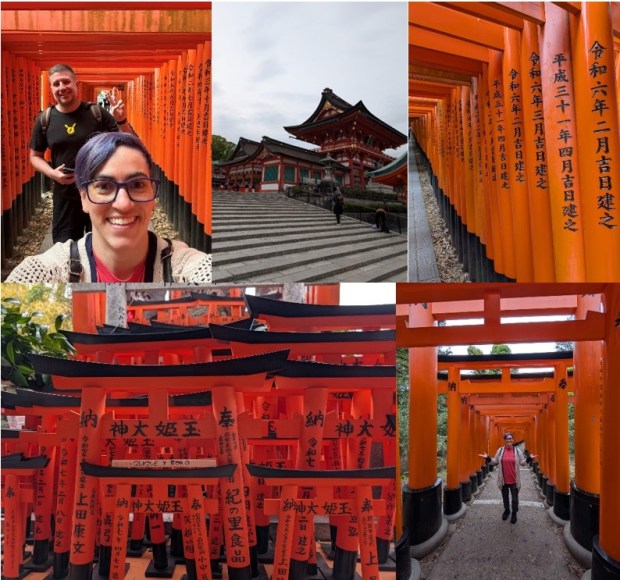
Kyoto, known for its rich history, stunning temples, and serene gardens, provided the perfect cultural contrast to Osaka. We strategically planned early visits to iconic spots like Fushimi Inari Taisha Shrine to avoid crowds, managing to explore its famous torii gates with relative peace before the day got busy.
Kinkaku-Ji Temple – a golden highlight of Kyoto

Kinkaku-Ji Temple quickly became my absolute favorite spot in Japan. Known as the Golden Pavilion, this stunning temple is a must-see for anyone visiting Kyoto. Entry is ¥500 (~$3.50), payable only at the door, and we arrived about 10 minutes before opening to find a line of around 50 eager visitors. Despite the crowd, it was easy to find a great spot for photos from multiple angles as you stroll the circular path a semi-circle around the temple’s serene pond.
The view is truly breathtaking — the shimmering gold leaf exterior reflected perfectly in the water, surrounded by lush greenery, creating a picture-perfect scene. The visit is relatively quick, but it leaves a lasting impression.
A fun bonus was the matcha ice cream sold near the entrance and exit, dusted generously with matcha powder. It was beautiful and delicious, but watch out — the powder can be a bit messy and even a choking hazard if you’re not careful!
If you only have time for one temple in Kyoto, make it Kinkaku-Ji.
Nijo Castle – a less impressive stop after Kinkaku-Ji

We visited Nijo Castle with moderate expectations, but it didn’t quite live up to the grandeur of Osaka Castle or the stunning beauty of Kinkaku-ji Temple. We had pre-paid the ¥1300 (~$9) entry fee to go inside the main gate, but honestly, it felt like a stop we could have skipped.
Some areas, like the gardens, require an additional fee and are roped off from the main area. If you’re a big fan of castles, history, or traditional architecture, you might appreciate Nijo Castle more than we did. For us, it was just an okay experience that didn’t quite stand out on our trip.
Kyoto Samurai Ninja Museum with Experiences – fun but pricey
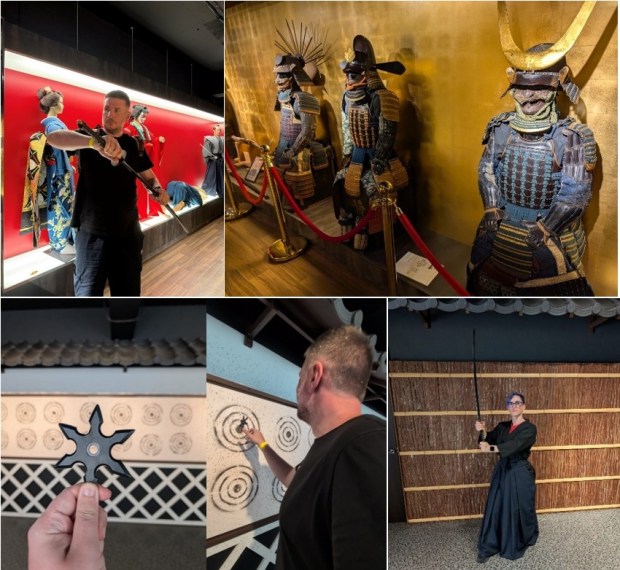
I wasn’t sure about booking this combo experience, but since we wanted to visit a ninja museum, a samurai museum, and enjoy a tea ceremony, this all-in-one package seemed convenient. The price felt steep—especially during Golden Week, when we paid ¥30,492 (~$212) for two—but the same experience is now closer to ¥9,360 + tax per person.
The samurai and ninja museum portion included a 30-minute guided tour, but it was a bit crowded, making it hard to see everything. The highlight was definitely the ninja star-throwing activity, which turned out to be way more fun than I expected. The plastic stars and foam targets made it safe, and the overall energy of the group really added to the experience—these kid-friendly activities seem especially enjoyable in Japan thanks to everyone’s enthusiastic participation.
We also took part in a sword kata lesson, where about 16 of us donned samurai-style outfits and learned some basic sword movements under a serious instructor. That session lasted about 45 minutes and was surprisingly engaging.
Between the museum and the tea ceremony portion, we had a short break to recharge. Overall, the experience was worth it but definitely on the pricier side.
Nishiki Market in Kyoto – wagyu skewers and more
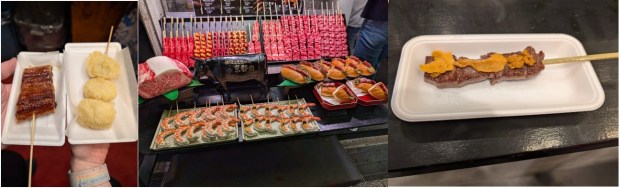
At Nishiki Market, we tried our very first Wagyu skewer of the trip—a combination of tender beef topped with uni (sea urchin). It was quite the splurge at ¥6,500 (~$45), which felt a bit overpriced for the portion size. While it wasn’t the best Wagyu we had during our travels, the meat was still soft and flavorful. If you don’t get many other chances to try Wagyu on your trip, Nishiki Market is definitely a worthwhile stop for this indulgence.
McDonald’s in Japan – a quick, quiet bite
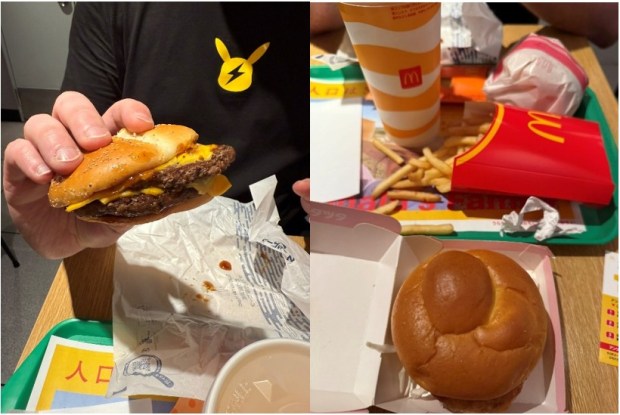
We usually avoid fast food when traveling, but during a tight schedule between activities, McDonald’s was our go-to since Ichiran had a 40-minute wait every single time we checked—four times in total! The McDonald’s was quick, clean, and surprisingly quiet, with two floors of spacious seating where everyone ate silently. We tried the regional specialties: the Teriyaki McBurger and Chicken Tatsuta. While the burgers weren’t my favorite, the convenience was unbeatable. Our meal for two—burgers, fries, and drinks—came to just ¥2,240 (~$15.45).
Tea Ceremony with Kimono Rental – beauty, tradition, and a touch of surprise

At first, I was skeptical about kimono rentals — it felt a little touristy and maybe even cringe-worthy to dress up just for photos. But this experience completely changed my mind. The kimonos were stunning, and I felt truly beautiful (and so did Jon!). The only downside was the shoes—uncomfortable and tricky to walk in—and the camel socks, which felt like mittens for your feet.
Having a professional dress us was a highlight. I got to choose my kimono, obi belt, and even a flower for my hair. Afterward, we had some free time to take pictures in a gorgeous garden before the ceremony began.
The tea ceremony itself was a 45-minute flow of elegant, rehearsed precision led by a serious and knowledgeable instructor whose English was impeccable. We even got to make our own matcha, which was a fun hands-on touch. Sitting in the traditional manner wasn’t comfortable for long—especially in the kimonos—but the photos and the overall experience made it absolutely worth it.
Torafugujo – pufferfish

I wasn’t exactly excited going into this meal—Torafugu means pufferfish, which can be an intimidating delicacy. We booked a limited course featuring eel and tiger pufferfish for ¥9,300 each and ended up spending around ¥21,000 (~$144) total. While it was definitely a unique experience, it’s not one I feel compelled to repeat.
Kobe Beef Steak Mouriya Gion – the ultimate steak experience
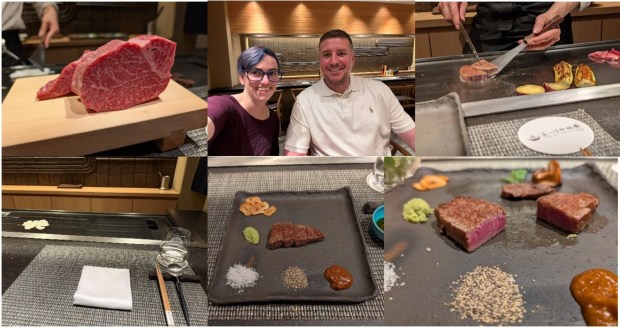
We indulged in the best beef of our lives at Mouriya Gion — and it was also the priciest steak I’ve ever had. Although our initial reservation was for ¥63,400 ($437), choosing the 180g cut pushed our final bill to ¥90,100 ($621), even without drinks. The table beside us, also foreigners, ordered so many cuts the staff and chef were surprised! Our two generous portions were more than enough, and I loved all the side dishes that accompanied the meal. This was the only time I dropped something from my chopsticks—luckily, it wasn’t at Sukiyabashi Jiro! For serious meat lovers with the budget to splurge, this is a must-book experience. We reserved a little over a month ahead, but I recommend booking 2-3 months in advance, especially around local holidays.
Dotonbori and Osaka – street food adventure


We dove right into the famous Dotonbori area, known for its vibrant street food scene. Our first stop was the iconic, burn-your-mouth hot Takoyaki — absolutely delicious but definitely a challenge to eat without burning your tongue! The area was packed, so we didn’t get to try as many snacks as we wanted, but the variety of options was impressive. One of the highlights was Jon discovering a Turkish ice cream vendor, who put on a playful show by teasing him with the classic “ice cream trick” before finally handing over the treat.
Coco Ichibanya Namba – breakfast curry fx
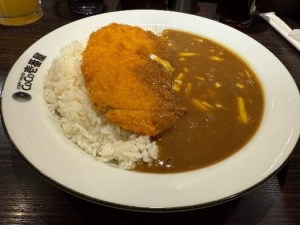
We stopped by the cozy Coco Ichibanya in Namba for breakfast and scored some fantastic Japanese curry. The tiny spot had only six counter seats, and we got lucky to snag two before a family rushed in and filled it up completely. Ordering was super easy through a QR code at the counter, and our meals arrived fast and tasty. You pay after you eat, with either cash or card. We enjoyed two meals and drinks for about ¥2556 (~$17.63)—definitely a quick, delicious, and affordable curry stop!
Rikuro’s Namba – the ultimate jiggly cheesecake

Despite low expectations after hearing the cheesecake “just tastes like eggs,” Rikuro’s blew me away with the best eggy cheesecake experience ever. The texture was perfectly jiggly, and I didn’t even mind the sparse raisins around the edges. This viral must-try dessert definitely lived up to the hype—it was surprisingly delicious, not overhyped at all. For the best experience, arrive right when they open to avoid long lines. We paid ¥1495 (~$10.31) for one freshly made cheesecake and an extra pastry—very affordable and totally worth it. If you’re in a rush, cheesecakes made a couple of hours earlier are available in a shorter inside line.
Tenmasa – quick and delicious Udon in Dotonbori
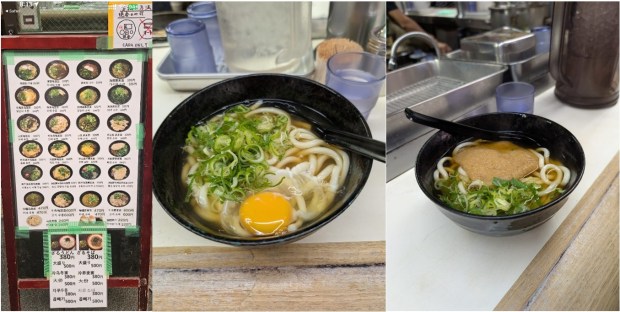
We couldn’t leave Osaka without trying some authentic udon, and Tenmasa was the perfect spot. Located in Dotonbori and one of the few places open early, this small restaurant opens at 8:45AM. We arrived just ten minutes later and found the place already full, with a short line forming outside. Luckily, we only waited about 10 minutes before grabbing two seats at the counter.
The service here is lightning fast—our steaming bowls of udon arrived within a minute of ordering. The best part? It only cost ¥640 (~$4.41) total for two hearty bowls! They only accept cash and you pay right after ordering, which makes the whole process super efficient so others can quickly get a seat. Tenmasa is a fantastic spot for a quick, cheap, and satisfying breakfast in Osaka.
The Konamon Bar Rikyu and ice cream treats near Osaka Castle

After a hot, exhausting walk around Osaka Castle, we were more than ready for a break and a bite to eat. We stumbled upon The Konamon Bar Rikyu—a small sit-down café that didn’t look like the place you’d expect to find okonomiyaki, but we hadn’t had the chance to try it yet on our trip, so we went for it. It looked like it may have been pre-made and reheated, but surprisingly, it was absolutely delicious.
Alongside the savory bite, we cooled off with some refreshing matcha and chocolate ice cream, which really hit the spot in the heat. Altogether, we spent ¥2700 (~$18.62). Sometimes, the best food experiences come from the least-expected places, especially when paired with a much-needed rest.
Osaka Castle
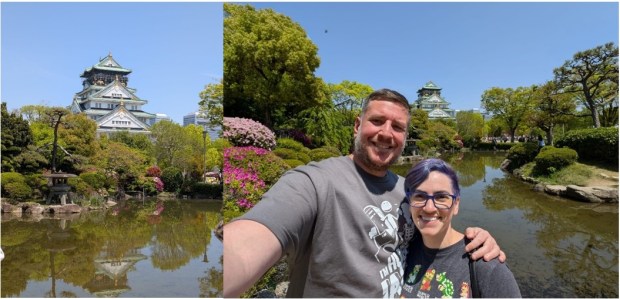
Osaka Chikuyotei Osaka Station – a surprise eel favorite

We couldn’t help ourselves when we passed by Osaka Chikuyotei—those glossy food photos drew us in, especially the eel. In Japan, it’s customary to order at least one item per person if you’re sitting down, so we each went for an eel entrée. To my surprise, my dish came layered with delicate strands of spaghettied egg between the rice and eel, and it instantly became my new favorite way to enjoy unagi. The eel was flavorful and well-prepared—definitely one of the better eel dishes we had on our trip. For both meals, we spent ¥8250 (~$57), and it was worth every yen for the quality and satisfaction.
Ichiran ramen – worth the wait
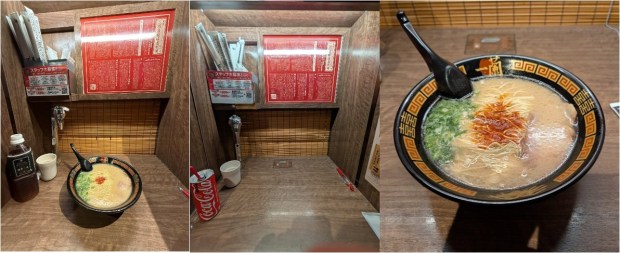
We tried multiple times to grab a quick bowl at Ichiran, only to be thwarted by long lines each time. Finally, on one of our last mornings, we committed to the wait—40 minutes before 9AM! Yes, even early in the day, Ichiran is that popular.
The experience is uniquely streamlined and designed for solo diners: you wait on the ground floor until it’s your turn to order at a kiosk and select your preferences on a paper form—spice level, noodle firmness, richness, and so on. Once your order is placed, you join another queue to head upstairs and wait for a seat in the individual booths (each with dividers for privacy).
Even after sitting down, your food doesn’t appear instantly—you press the “order ready” button to start the final step, and it still took about 4–5 minutes for our bowls to arrive. But once that steaming ramen hit the table? Totally worth it. Rich, flavorful broth, perfect noodles, and the option to add extras like soft-boiled eggs or more noodles from your seat.
We paid ¥2620 (~$18) for two bowls and two drinks—a bargain for ramen of this quality. If you have the time (and patience), Ichiran is a delicious stop that lives up to the hype. I only wish we had this quality and pricing in the U.S.!
Activities and Food Highlights in Kanazawa
Activity in Kanazawa: the Myouryuji “Ninja” Temple

Originally, we weren’t planning to visit Myouryuji Temple (commonly referred to as the Ninja Temple), but when we decided to skip a day trip to Takayama, we found ourselves with a full day to explore Kanazawa. Our rainy arrival, combined with confusing bus routes and heavy luggage, led us to take a taxi from the station—and it turned out to be a fortunate choice. Our driver recommended the Ninja Temple, and the promise of hidden trapdoors and secret passageways was enough to pique our interest.
Reservations are required, and while the tour is conducted in Japanese, we had no trouble calling to reserve a spot using an international phone plan. You can also make a call from outside the temple to book a visit. The tour was interesting—even without understanding the language fully. They provided an English guidebook that helped us follow along as we explored the temple’s deceptive architecture, hidden staircases, false ceilings, and other clever defenses.
You’re asked to leave your shoes outside and refrain from using your phone during the tour, which adds to the immersive, respectful atmosphere. At just ¥1200 per person (~$8.40), it was one of the most unique and budget-friendly attractions of our trip. A hidden gem in Kanazawa—literally and figuratively.
Eating Our Way Through Kanazawa: A Culinary Highlight Reel
Kanazawa turned out to be one of our favorite food cities in Japan—packed with hidden gems, memorable markets, and beautifully presented sweets.
Kanazawa gold leaf ice cream – doesn’t taste like anything but ice cream
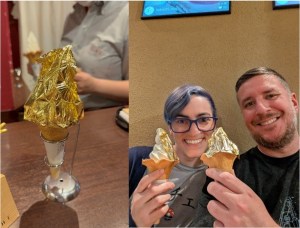
We started with the famous gold leaf ice cream at Hakuichi Higashiyama. For ¥1960 (~$13), we got two vanilla cones theatrically topped with full sheets of gold leaf. The gold doesn’t taste like anything, but the experience (and photos) are worth it. The ice cream itself was smooth and creamy, and the shop offers both indoor seating and an elegant upstairs area to enjoy your treat.
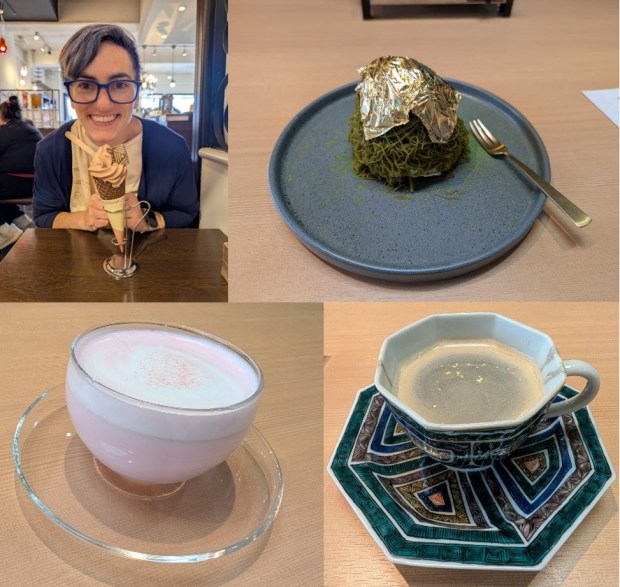
We also enjoyed several Kanazawa treats just walking around the city, including an incredible sakura latte that was both beautifully pink and delicious. We tried several gold-leaf-covered snacks—definitely for the aesthetic, not the taste.
Kanazawa Omicho market – again and again

The Omicho Market became a repeat stop for us, particularly for the Wagyu beef skewers from Oguchi fisheries—grilled fresh to order for ¥3600 (~$24). Omicho is easily one of our favorite markets in Japan, thanks to its wide variety of seafood, vibrant atmosphere, and high-quality eats that blew other markets (like Kyoto’s Nishiki) out of the water.
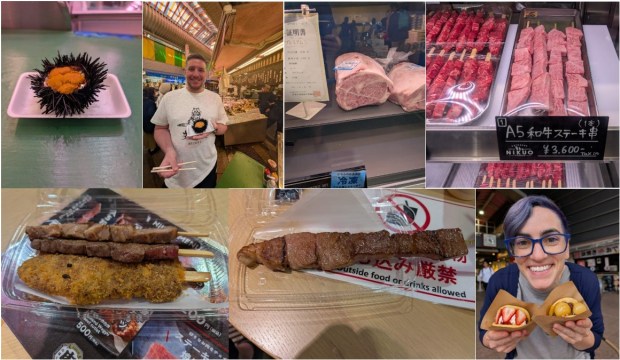
Kanazawa Sabo Soshin Sweets – matcha overload
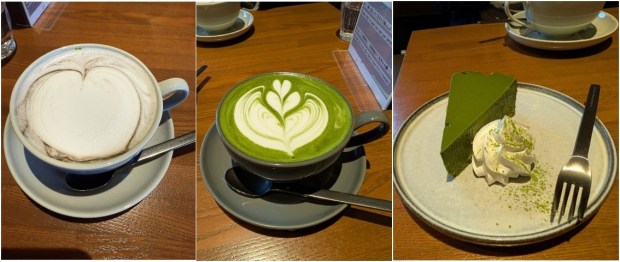
We stumbled into Sabo Soshin, a sweet little café in the Higashi Chaya District, after spotting a sign for matcha cheesecake—and it did not disappoint. We ordered a matcha cheesecake, a sesame latte, and a matcha latte for only ¥1920 (~$13). Everything was as delicious as it was beautifully presented. If we return to Kanazawa, this spot is an automatic repeat.
Late night ramen and morning buffet at the Onyado Nono

Staying at the Onyado Nono Onsen Hotel, we got to try their late-night ramen (served 9:30PM–11PM), a warm, comforting bowl that was perfect after a soak in the onsen. While I usually wouldn’t recommend paying extra for hotel breakfast, their buffet had a surprisingly good selection of both Japanese and Western options.
Yusura in Kanazawa
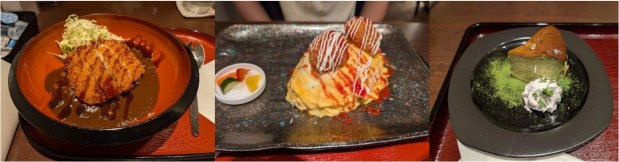
A spontaneous stop at Yusura led to a great little meal of Hanton rice and katsu curry, plus more matcha cheesecake (though not as good as Sabo Soshin’s). The place was quiet, prices were reasonable (¥4100/~$28 for two entrees, dessert, and drinks), and the food surprised us in the best way.
Kirari – conveyor belt sushi Kanazawa Station
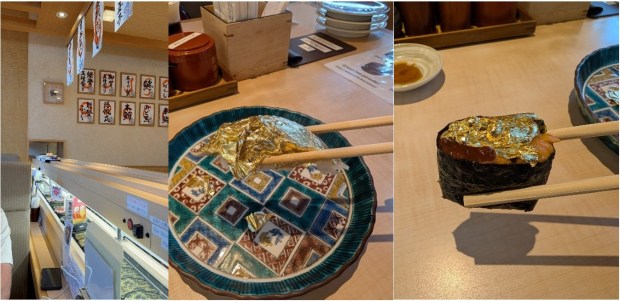
Finally, we capped off our Kanazawa food tour at Kirari, a conveyor belt sushi restaurant inside Kanazawa Station that uses a “shinkansen” to deliver your food. Nothing was left circling on the belt—everything was made to order and zoomed to us via mini train. We even tried some sushi with edible gold, because… when in Kanazawa!
Fuji Q Highland & Mount Fuji: A Beautiful, Stressful Finale
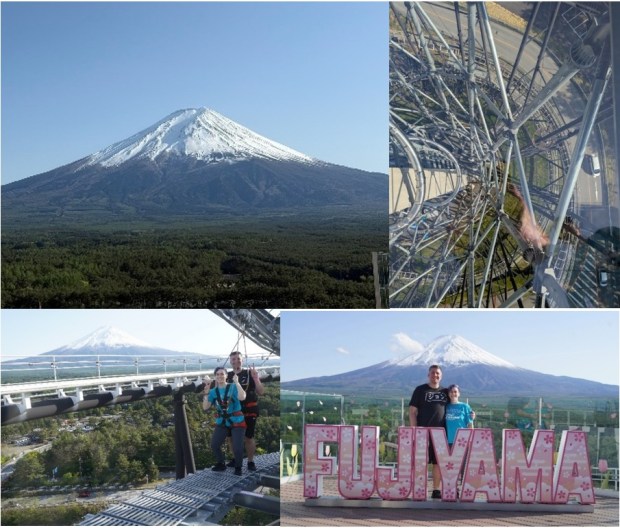
Our last full day in Japan was also the most stressful. We originally planned to visit Fuji Q Highland on a Thursday, but a last-minute reservation at Sukiyabashi Jiro (a once-in-a-lifetime experience) reshuffled everything. That meant pushing Fuji Q to Saturday—our final day in Japan.
Unfortunately, the direct bus from Tokyo to Fuji Q (a ~2-hour ride) was completely booked by the time we tried to reserve it—only a week ahead. Our only option? Public commuter trains, turning what should’ve been a smooth journey into a 4-hour, three-transfer trek. The stakes felt high. We had limited time, no backup day, and were determined to finally see Mount Fuji in all her glory.
Despite the stress and logistics, I’m still glad we went. The park was free to enter, and we spent around ¥2000 (~$14) per ride priority pass per person to minimize wait times. We also splurged on the Sky Deck walk and giant slide experience for ¥7000 (~$49 total). The Sky Deck, with its panoramic views and clear-day sighting of Mount Fuji, made the trip worth it.
That said, I wouldn’t recommend packing such a high-stress, time-sensitive adventure into your final day. While the views and thrills were memorable, we returned to Tokyo exhausted and frayed—not the calm sendoff we’d envisioned. Still, we can now say we saw Mount Fuji and screamed through roller coasters in its shadow. Just maybe… plan this day earlier in your itinerary if you go.
Overall Japan Trip Tips
After spending several weeks exploring Tokyo, Kyoto, Osaka, Kanazawa, and even squeezing in a last-minute theme park day near Mount Fuji, we’ve gathered a list of key takeaways and tips to help future travelers make the most of their Japan adventure.
✅ 1. Plan Early (Especially for Popular Restaurants & Activities)
Some reservations open months in advance and sell out instantly (e.g. Pokémon Café, Sukiyabashi Jiro, TeamLab).
If you’re visiting during a busy season (e.g. Golden Week, cherry blossom, or fall foliage), book hotels and transport early.
🚆 2. Use a Japan Rail Pass Wisely
The JR Pass is only worth it if you’re taking multiple long-distance trains in a short time. Compare your itinerary using online planning tools before buying.
Even without the pass, IC cards (like Suica or Pasmo) make public transit super easy. Load once, tap everywhere.
📱 3. Have a Phone Plan That Works
Get an eSIM or portable Wi-Fi. Google Maps and Google Translate (camera feature) are lifesavers, especially with menus or signs.
Don’t rely on Wi-Fi alone—many cafes and shops don’t offer it.
💳 4. Japan Is Both Cash and Card Friendly
Many small shops, restaurants, and temples are cash-only, but most places take cards
Bring cash or use 7-Eleven/FamilyMart ATMs (which accept foreign cards).
Consider using a coin pouch—you’ll be carrying lots of change.
🍣 5. You Don’t Have to Do Everything
Japan is full of incredible sights, but don’t overpack your schedule.
Plan 1-2 big activities per day and leave room for flexibility. Some of our favorite moments were unplanned.
🧼 6. Public Cleanliness & Etiquette
Japan is extremely clean—don’t eat while walking, take your trash with you, and speak softly in public spaces.
Be respectful in temples and shrines. Take shoes off when required.
🏯 7. Learn a Few Japanese Phrases
“Sumimasen” (excuse me) and “Arigatou gozaimasu” (thank you) go a long way.
Even a little effort earns you kindness and patience from locals.
🎌 8. Visit Both Major Cities & Smaller Towns
Cities like Tokyo and Osaka offer excitement and energy, while places like Kanazawa offer a quieter, more traditional side of Japan.
If you can, include a mix to experience the full contrast of modern and historic Japan.
🍜 9. You Don’t Have to Break the Bank for Good Food
From wagyu skewers for $25 to vending machine hot meals, Japan offers excellent food at every price point.
Don’t skip convenience store meals—they’re surprisingly good!
🧘 10. Slow Down & Savor It
Some of our most memorable moments weren’t planned, but most of them were —wandering into a quiet shrine, stumbling upon a tiny dessert café, or waking up at 4AM to eat sushi for breakfast were all adventures in their own way.
Japan rewards travelers who stay curious and open-minded.
Overall Japan Summary
Our trip to Japan was the culmination of months of research, early morning reservation attempts, YouTube deep-dives, and dreaming. Inspired by travel vloggers like Abroad in Japan and Shizuka byFood, we built our ideal itinerary—packed with food, history, culture, and a bit of chaos.
We followed much of what’s known as the Golden Route: Tokyo → Kyoto → Osaka → Kanazawa → back to Tokyo, with a detour to Fuji Q Highland. Each city offered its own flavor—Tokyo’s energy, Kyoto’s traditions, Osaka’s food obsession, Kanazawa’s charm, and Mount Fuji’s unforgettable silhouette.
We visited shrines before dawn, splurged on once-in-a-lifetime meals, and geeked out at Pokémon Centers across the country. We ate at 7-Eleven, and also at Sukiyabashi Jiro. We wore kimonos, tossed ninja stars, soaked in onsen, and rode futuristic trains through rice fields and neon cities. We also got lost (just a little), stressed out (just a bit), and ate more than we thought humanly possible.
Looking back, we’re proud of how much we fit in, while still allowing room for spontaneity. Yes, Japan is organized, safe, clean, and efficient—but it’s also full of surprises. From magical soft-serve and silent train rides to hidden temples, this trip exceeded our expectations in nearly every way.
Would we go back? In a heartbeat. Would we change anything? A few logistical hiccups, maybe—but that’s part of the adventure.
This was a dream trip. One we’ll be talking about—and dreaming about—for years to come.
Enjoying the Trip Before the Trip: Books and Movies to Get in the Japan Mood
One of my favorite parts of travel planning is immersing myself in the culture and stories of the destination before I even board the plane. For our Japan trip, I dove into a mix of books and films—everything from nonfiction cultural guides to magical realism, YA fiction, and iconic movies set in or about Japan.
- Books I Read Before Our Trip
Culture Hacks: Deciphering Differences in American, Chinese, and Japanese Thinking by Richard Conrad (Nonfiction) — A fascinating guide to cultural mindsets that helped me understand subtle social cues before arriving.
- Before the Coffee Gets Cold by Toshikazu Kawaguchi (Magical Realism) — A beautiful and moving story set in a Tokyo café where customers can travel back in time.
- Tomo: Friendship through Fiction (Anthology edited by Holly Thompson) — A collection of short stories about Japanese teens, which added a youthful and personal perspective.
- Effortless Japan Travel by Robbin Allen (Nonfiction) — Practical tips and cultural wisdom for making authentic travel experiences easier.
- A mix of contemporary and YA novels set in Japan, including Lost in Tokyo by Jenny Lynne, Tokyo Heist by Diana Renn, Tsunami Girl by Julian Sedgqick, Up From the Sea by Leza Lowitz, Tanabata Wish by Sara Fujimura, Strange Weather in Tokyo by Hiromi Kawakami, and Warcross by Marie Lu.
These books helped set the mood and gave me a glimpse into different facets of Japanese life, history, and imagination. We also filled our downtime with movies and shows that brought Japan to life on screen, including:
- Monarch (2023 TV Show)
- Godzilla (2014), Godzilla: King of the Monsters (2019), Godzilla vs. Kong (2021), and Godzilla vs. Kong: The New Empire (2024)
- Shin Godzilla (2016)
- Kong: Skull Island (2017) and Skull Island (2023 Animated Series)
- Big Hero 6 (animated, with a Tokyo-inspired setting)
- Bullet Train (high-energy action set on a Japanese train)
- Perfect Days (a quiet, contemplative film)
- Jiro Dreams of Sushi (a must-watch documentary about sushi mastery)
There were also several movies we planned to watch but didn’t get to before the trip, including classics and cult favorites like Spirited Away, Lost in Translation, Drive My Car, Battle Royale, Akira, and more.
Immersing myself in these stories made the anticipation almost as exciting as the trip itself—and once in Japan, I found new layers of meaning in the places and culture we explored.
Japan Trip Packing Recap
What I Wish I Had Brought
- Second light sweater (wore the same one all the time — swapping would’ve been nice)
- More comfortable day bag (ours looked cool but wasn’t practical for all-day use)
- Headphones with audio sharing (so my partner and I could watch shows together on one device)
- Toothbrush cover (the one I had kept slipping off my Sonicare)
- US/Austin-specific gifts (great for making new friends or hosts feel special)
What I Brought but Didn’t Need
- Laundry bag (trash bag liners worked just fine)
- Costco card (didn’t visit Costco)
- Wallet/coin purse for yen (easy-to-use Japanese yen wallets as souvenirs)
- Travel soap sheets (almost every bathroom had soap; hand sanitizer worked for the one that didn’t)
- Travel hand towels (most bathrooms had hand dryers; used shirt hem instead)
- Nicer shoes for business casual (regular comfy sneakers worked fine)
- Tissues (never opened)
- Sunscreen (easy to buy locally or use an umbrella for sun protection)
- Laundry sheets (washers had detergent or could buy locally)
- Mini pen and notebook/stamp book (never used)
- Ziploc bags (unused)
- Travel utensils/chopsticks (only used once)
- Business card holder and cards (unused)
- Japanese phrasebooks (relied on apps and phones)
- Trash bags (unused)
- Compression socks (did not like them; preferred getting up more frequently on the plane)
- Shorts (didn’t wear)
- Leggings (2 pairs)
What I Brought and Found Useful
- Carrying pouch for small essentials
- USB-C to USB-A cords (for planes and hotels)
- USB-C cords (3 total)
- Charging brick (1)
- External batteries (1 lightweight for day, 1 high-capacity for hotel)
- Watch charger cord
- Headphones (plane rides)
- Phone and watch
- No-fee travel credit card
- AirTags for luggage
- Mini day backpack (perfect size for sightseeing)
- Prescription sunglasses (glare reduction)
- Hidden money belt (great for security and peace of mind)
- Printed photos of passport, boarding pass, hotel addresses (helpful for taxis and check-in)
- Hand sanitizer packets
- Trip itinerary and tickets (hard copies)
- Personal care container with favorite face lotion (Jack Black)
- Toothbrush and toothpaste
- Travel-sized deodorants (worked great)
- Vitamins in travel packs
- Face masks with good fit
- Eye drops for dry eyes
- Chapstick (2)
- Comb
- Sunscreen (small stick)
- Nail clippers and tweezers
- Q-tips
- Flossers/floss
- Basic first aid (bandaids, pain relievers, antibiotics, Pepto, etc.)
- Clothes: shirts, pants, nice outfit for dinners
- Socks (one pair per day — favorite brand!)
- Underwear (for full trip)
- Bras (3 total)
- Walking shoes and sneaker deodorizers
- Shoe container
- Collapsible shopping bag (used often)
- Travel umbrellas (one for sun and light rain, one sturdier for heavy rain)
- Light cardigan sweater (thin, packs small, dries fast)
- Packing cubes and compression bags (organization)
- Jetlag prevention tablets (gave them a try)
- Expandable suitcase (helpful for souvenirs, but watch weight limits)
What I Brought Specifically for Star Wars Celebration
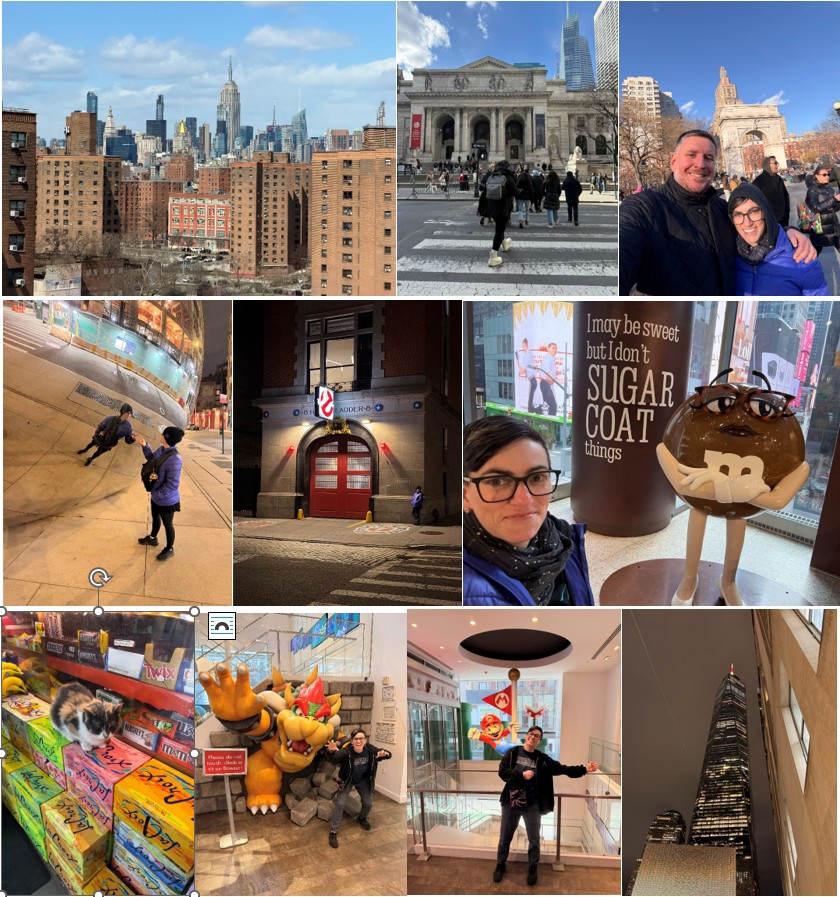
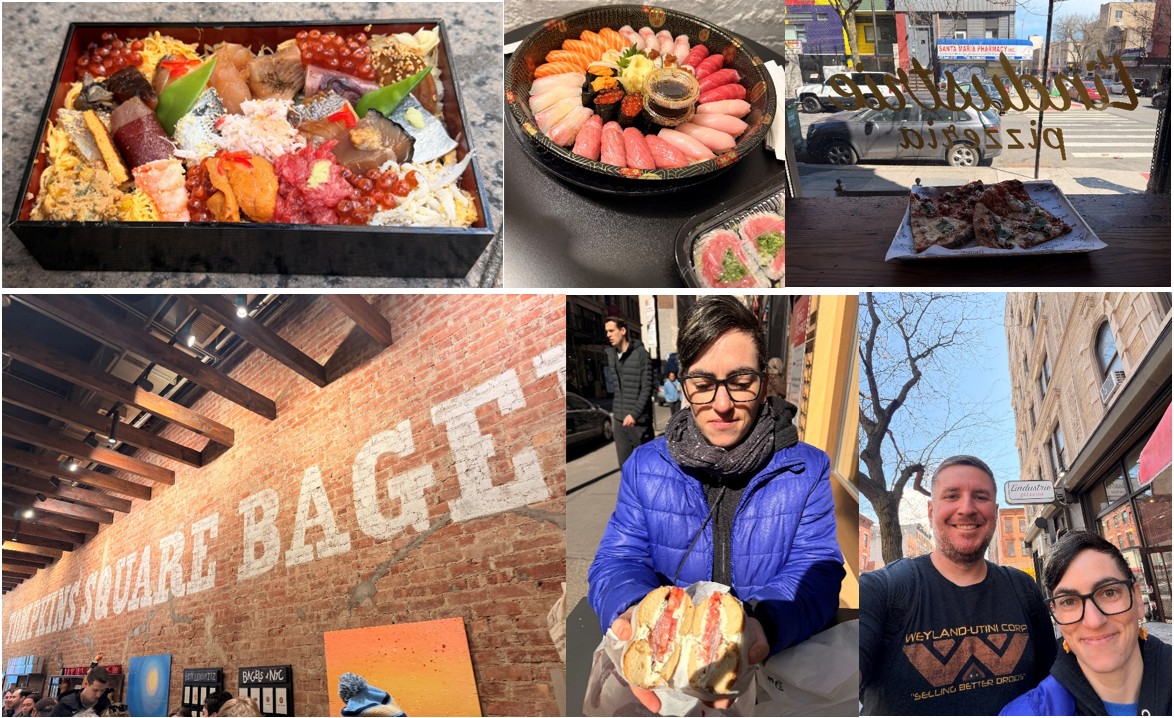
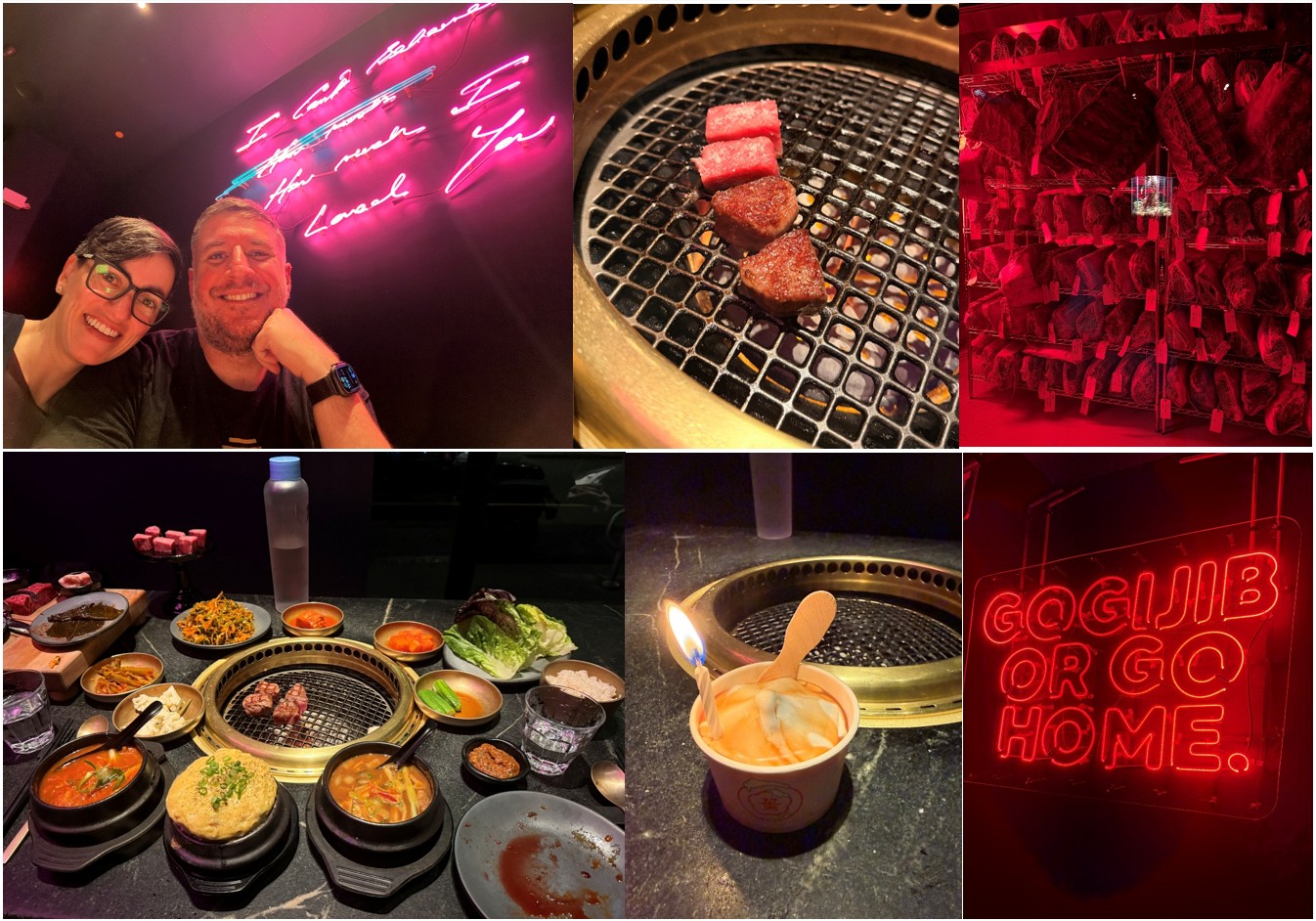
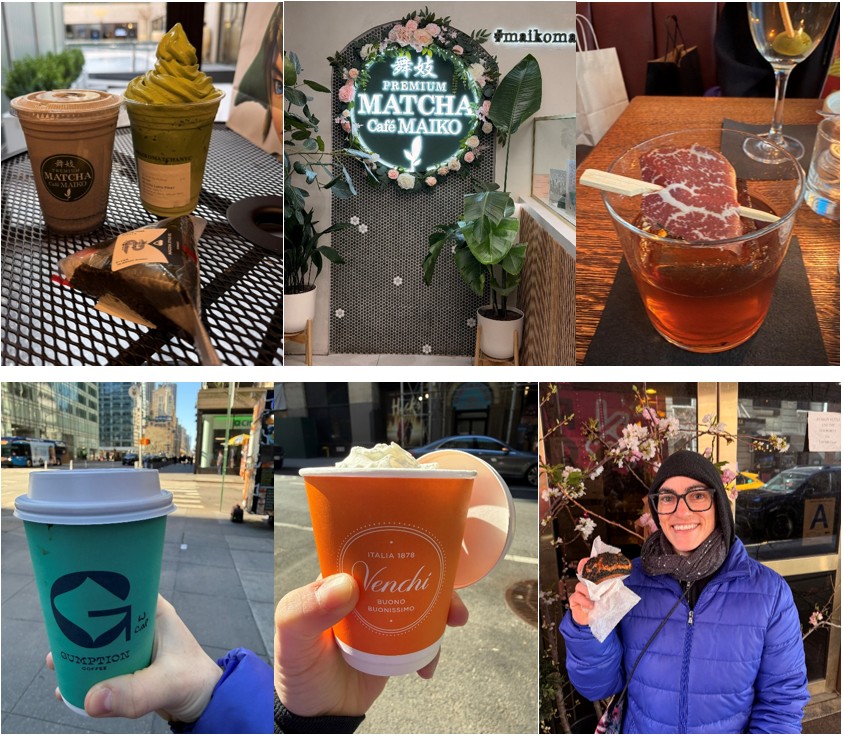
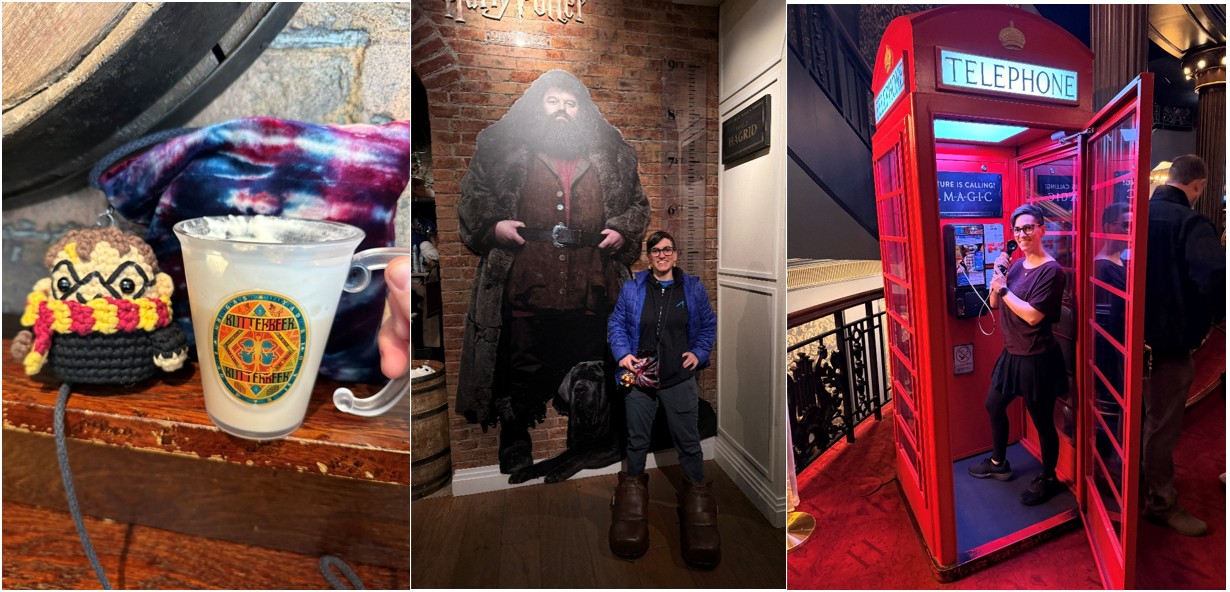


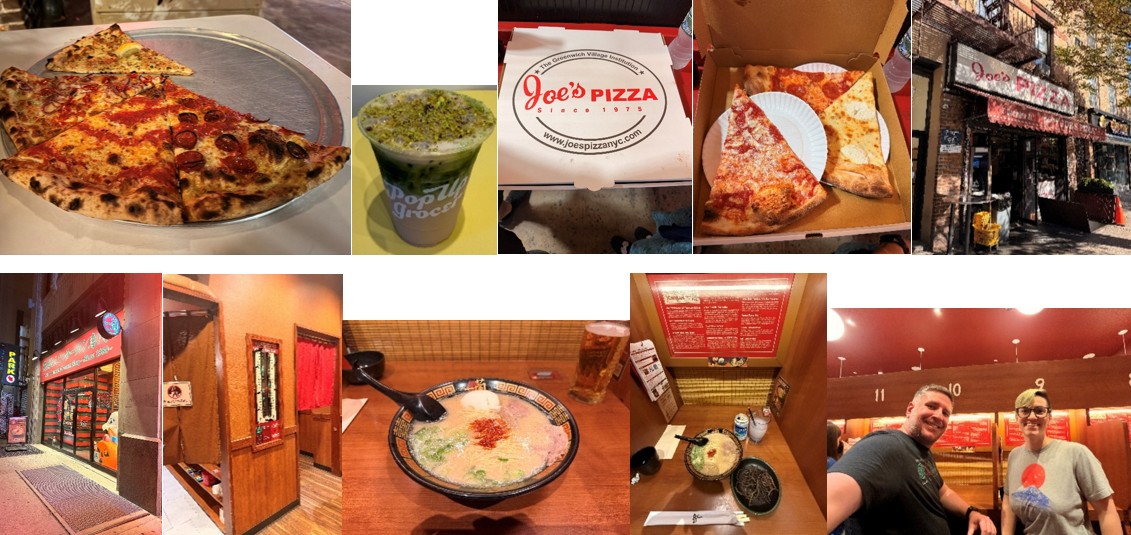
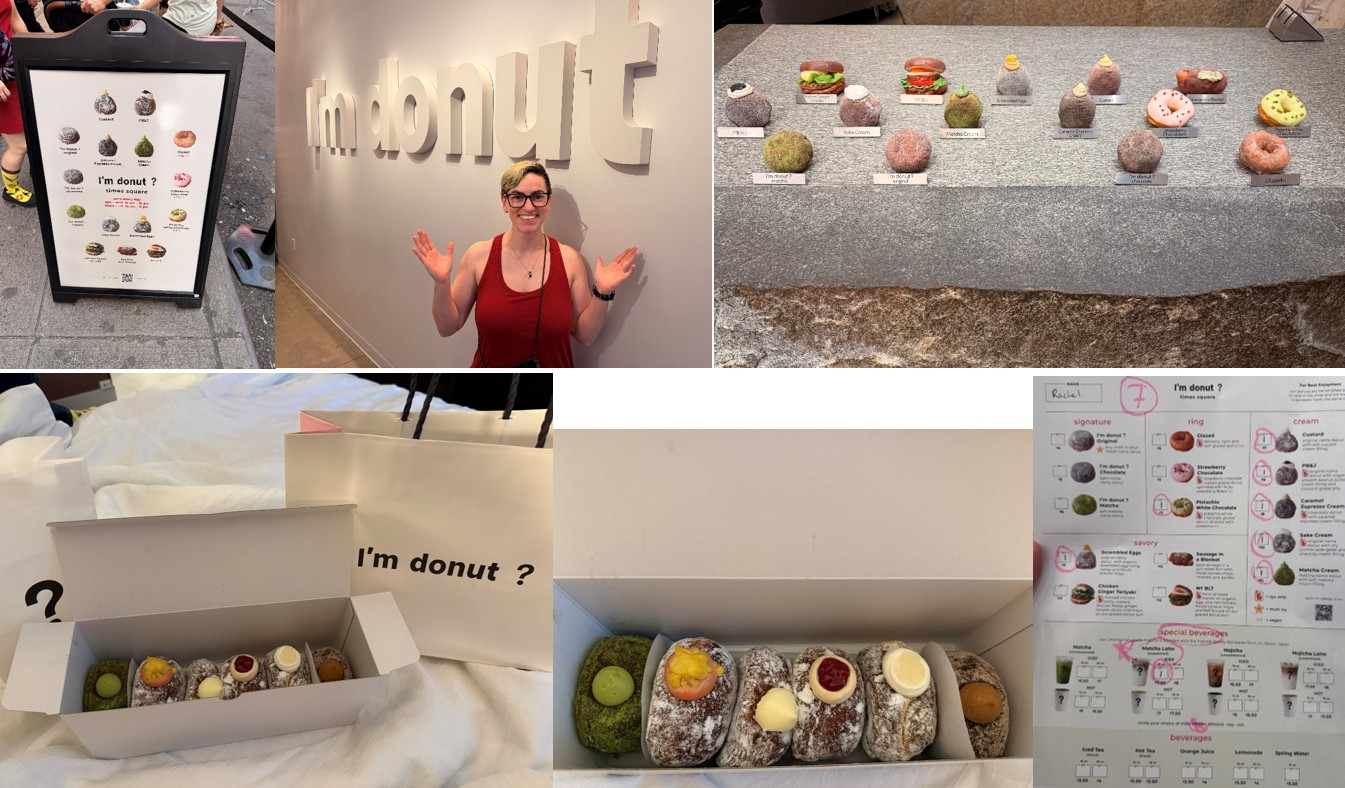
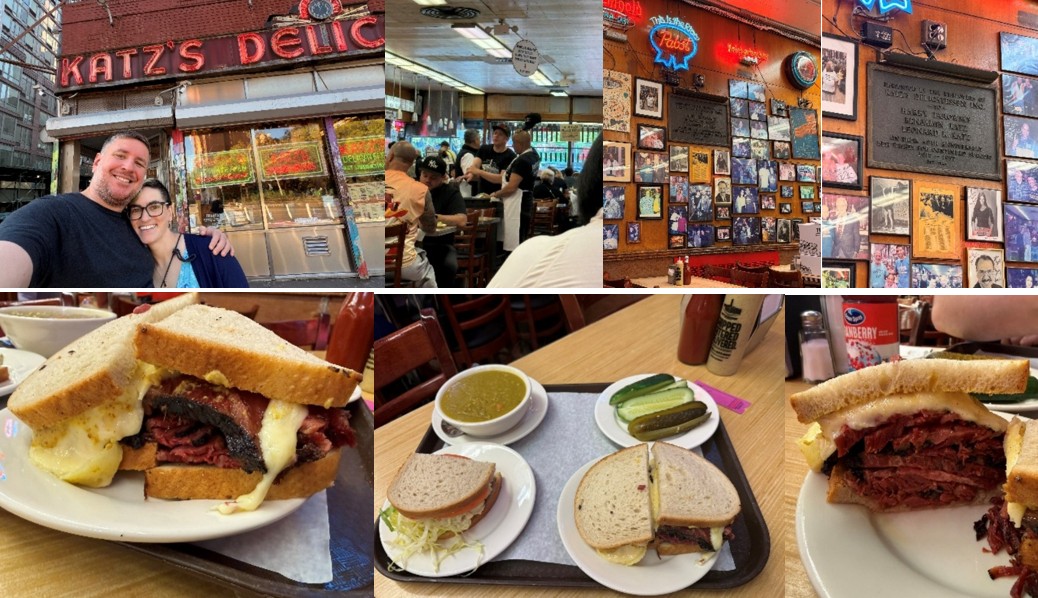
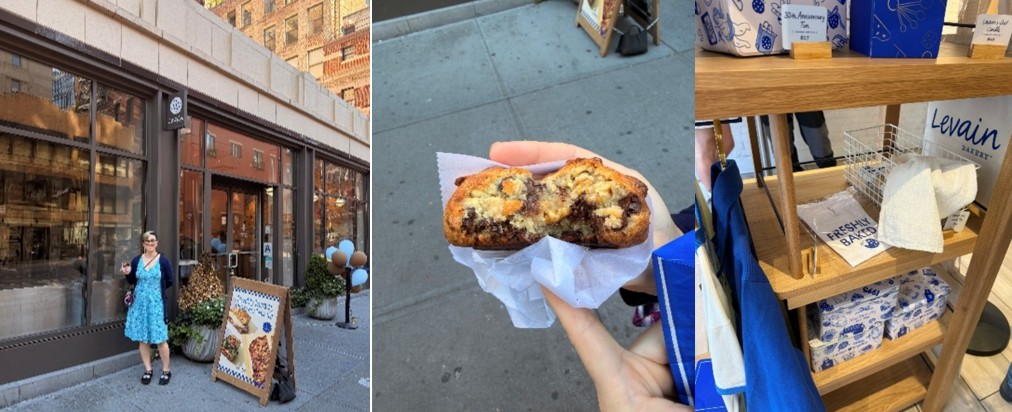

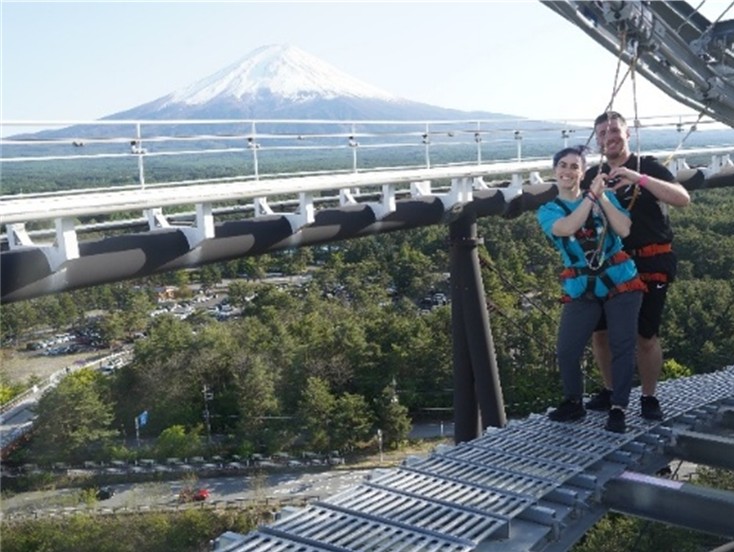
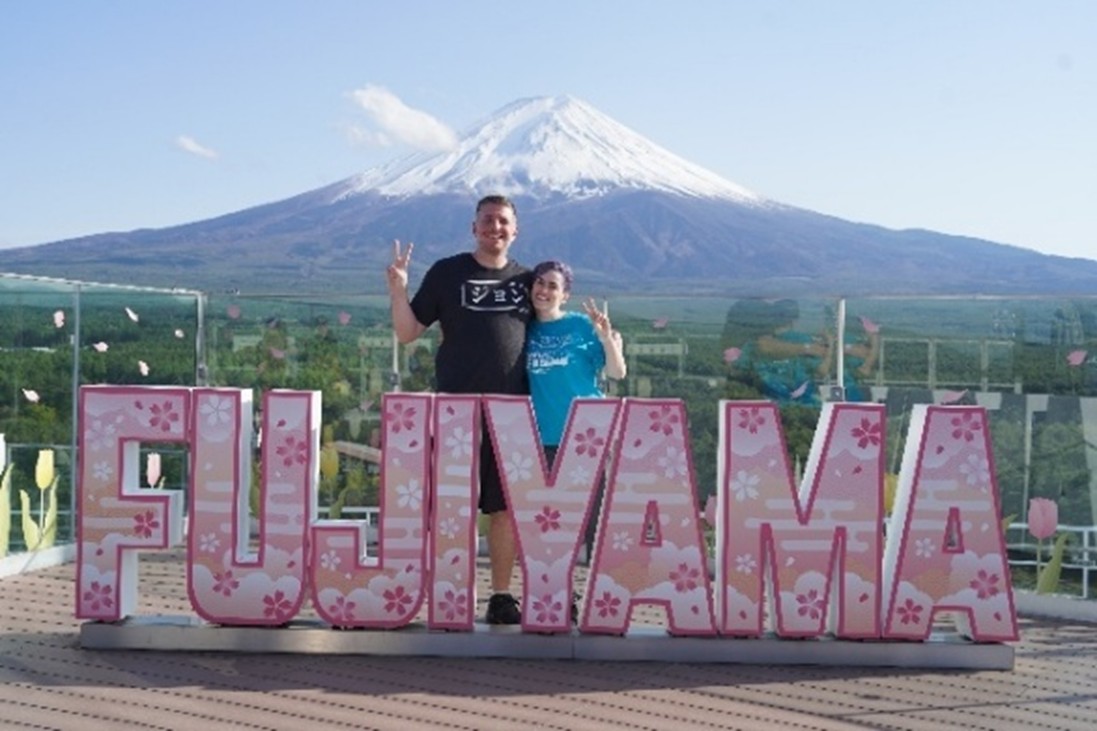
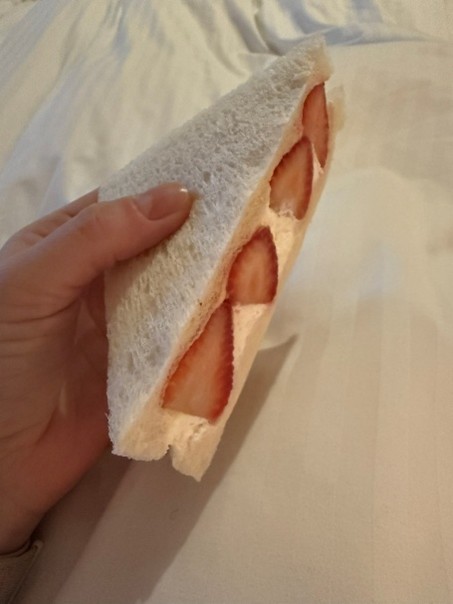
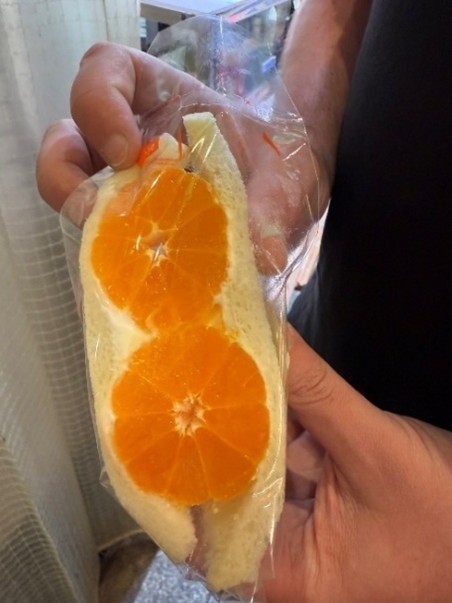
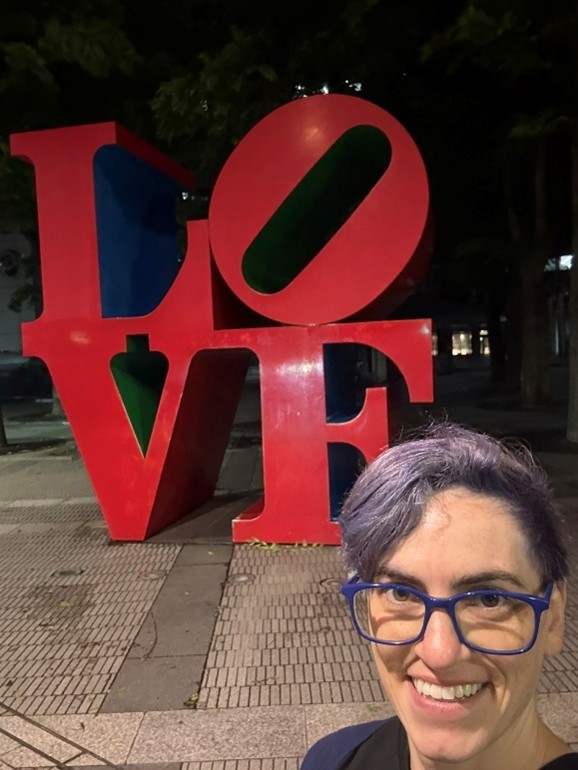

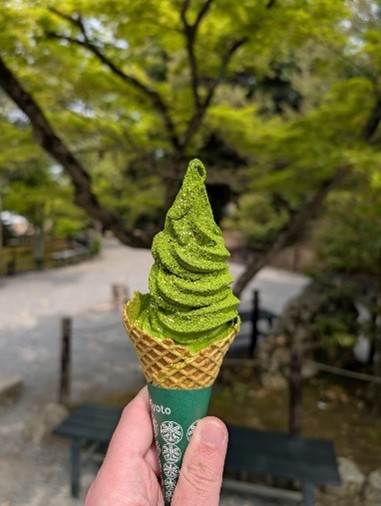

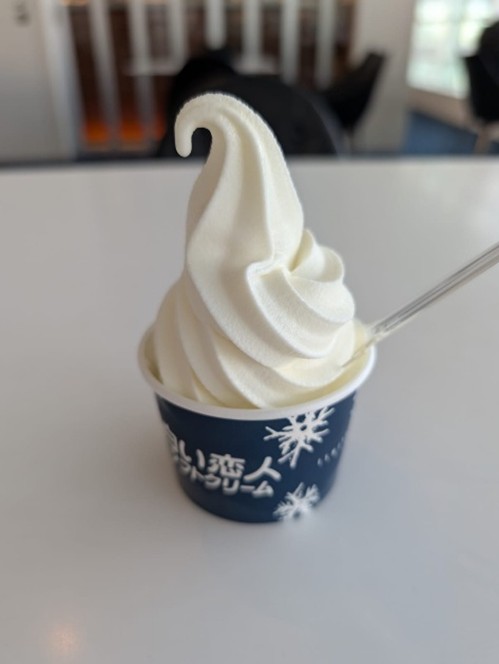


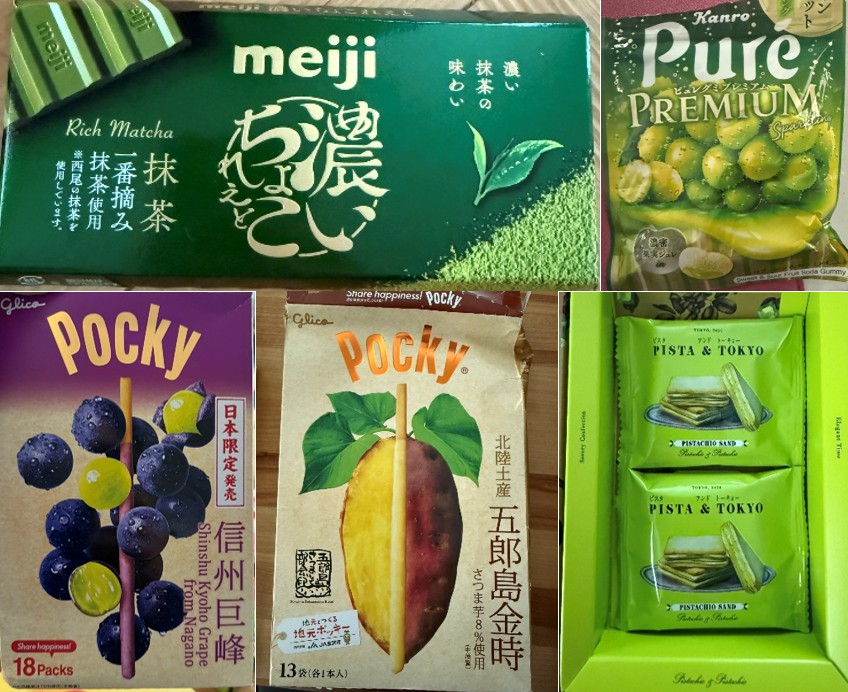
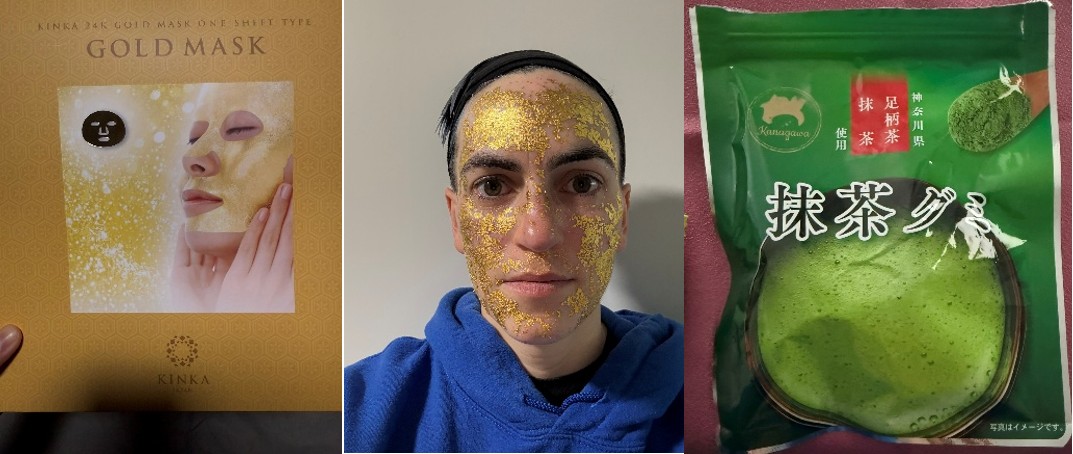
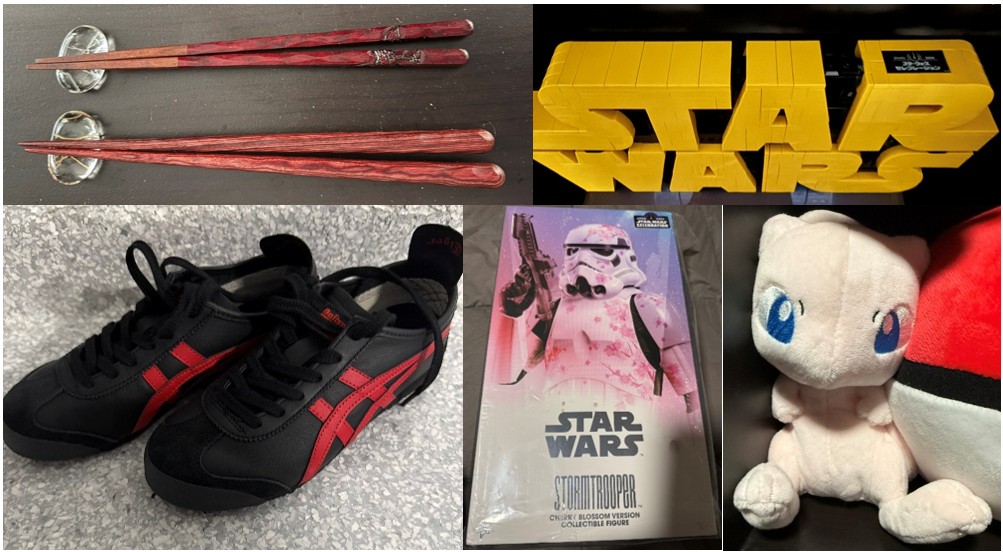


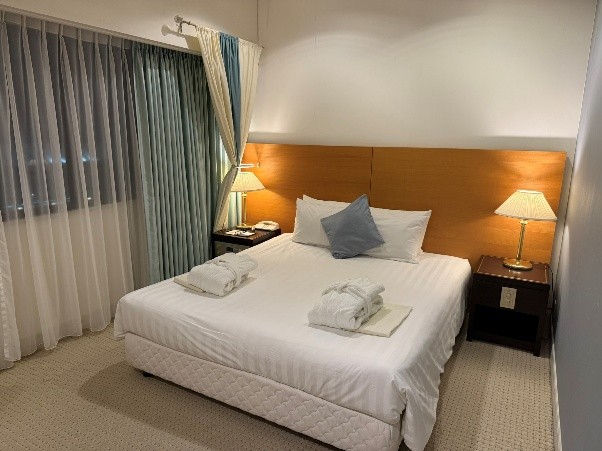
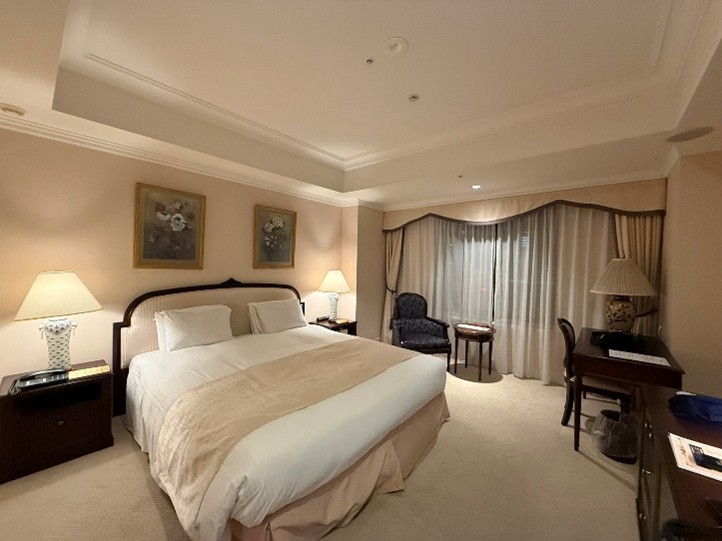


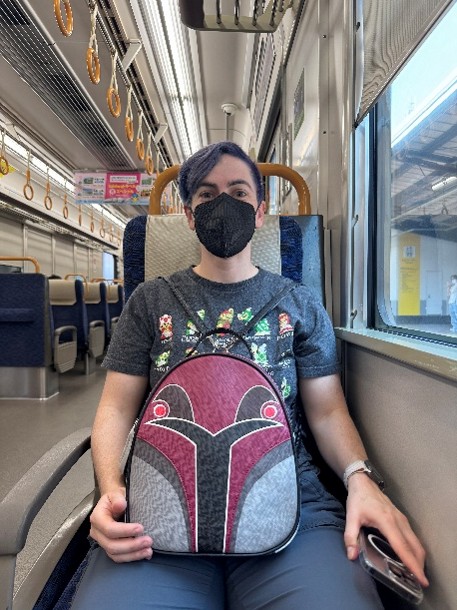
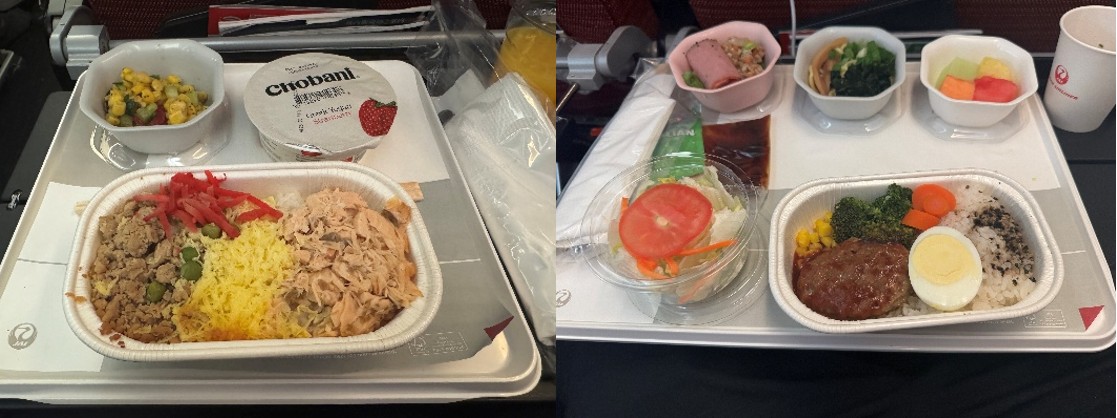
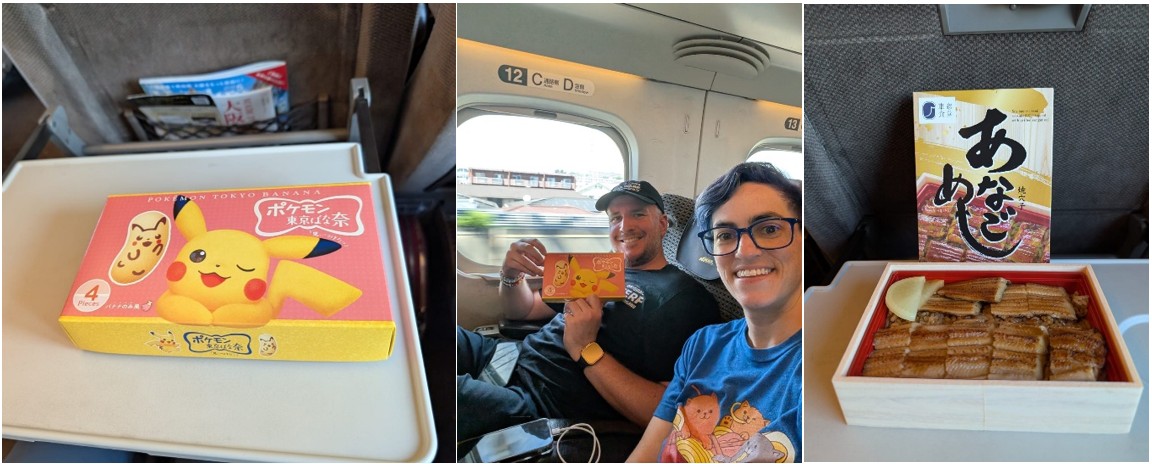
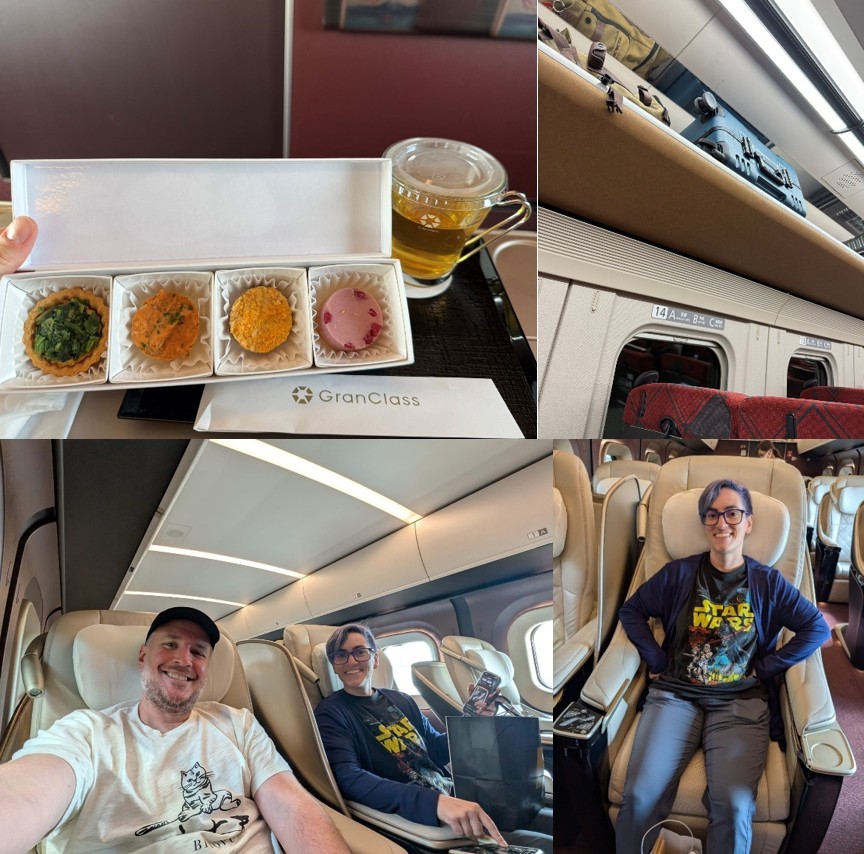
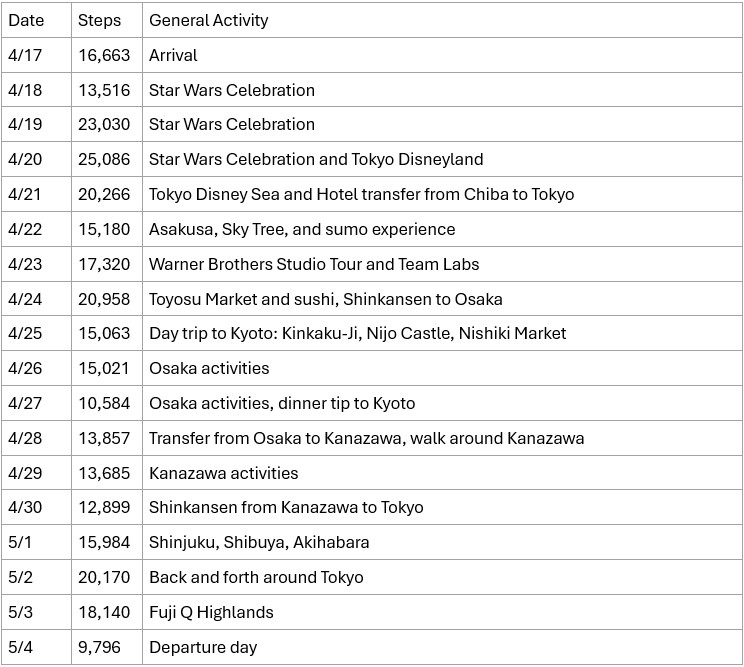
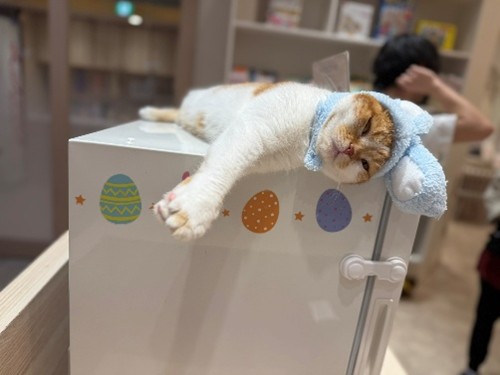


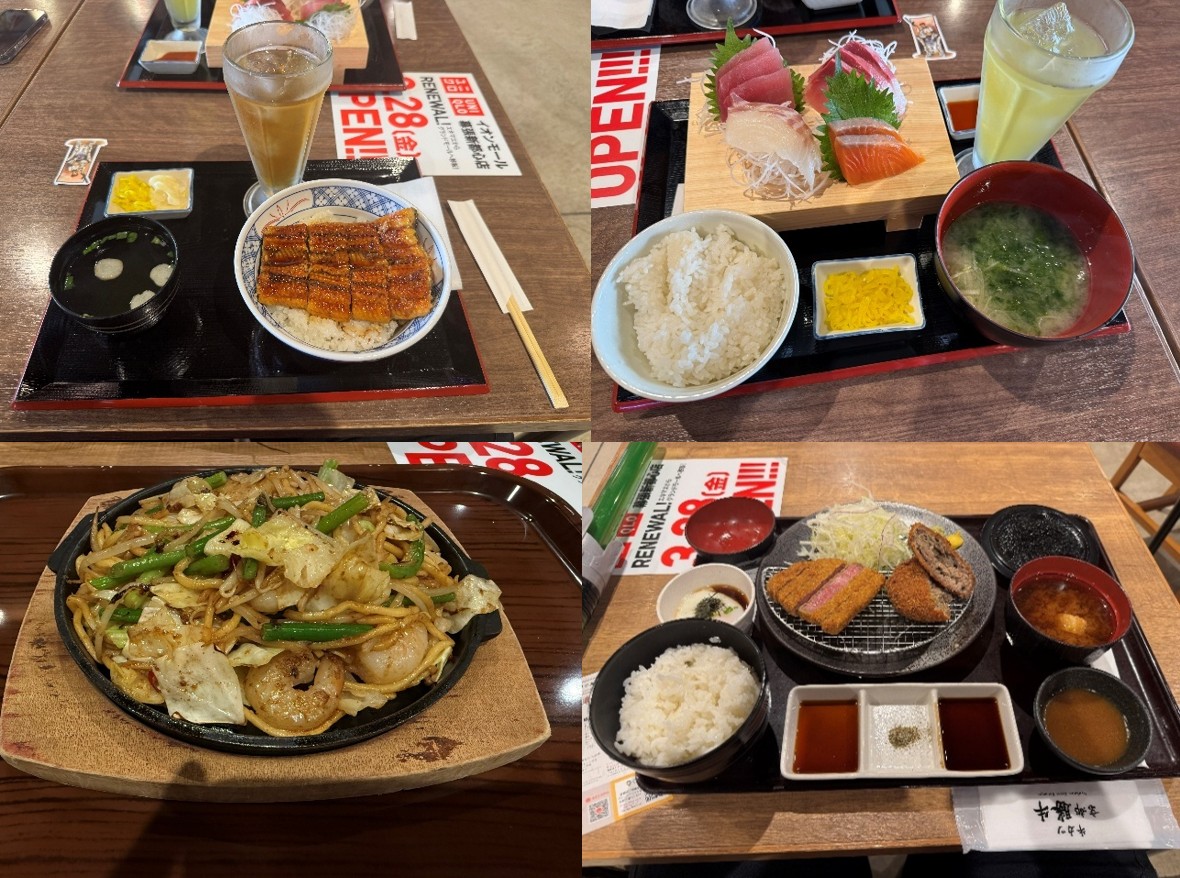
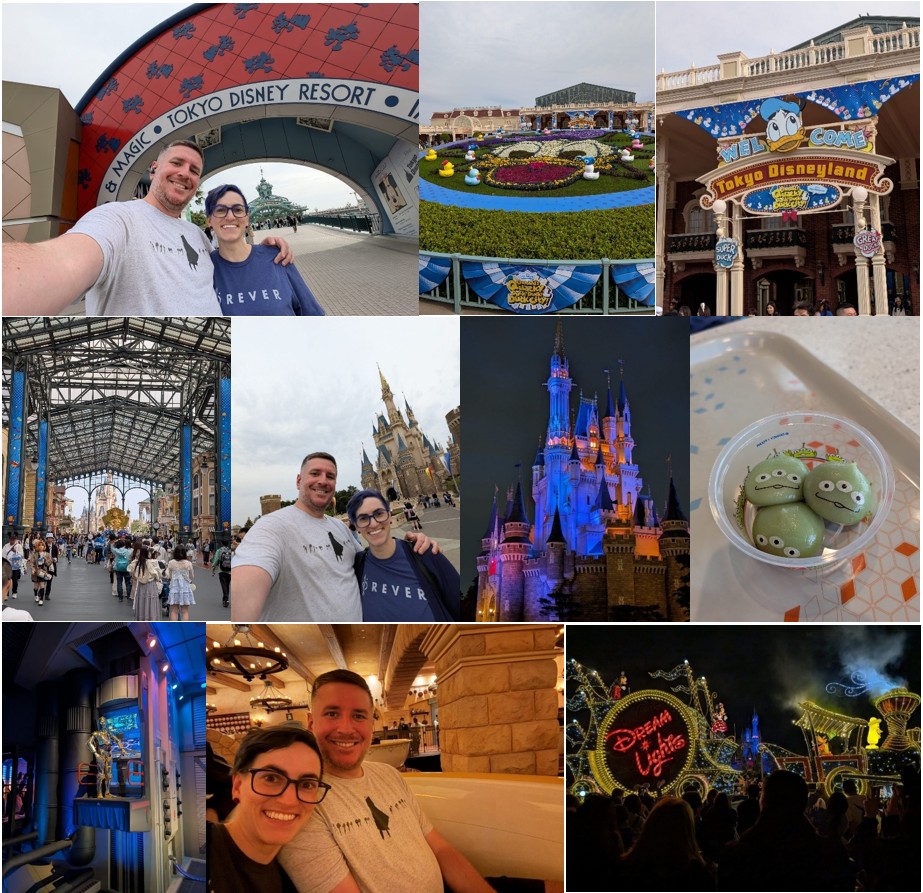
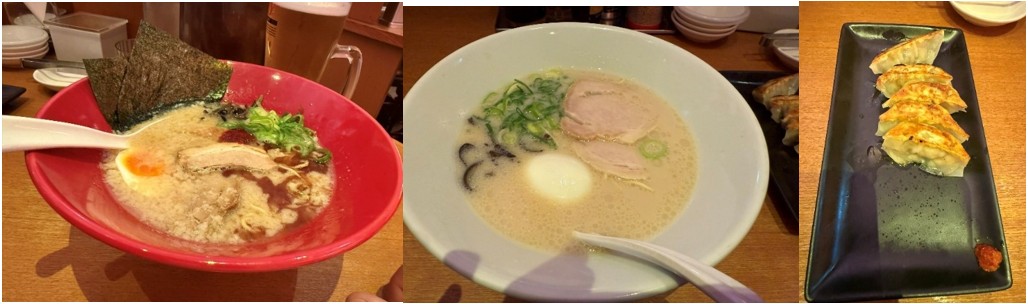
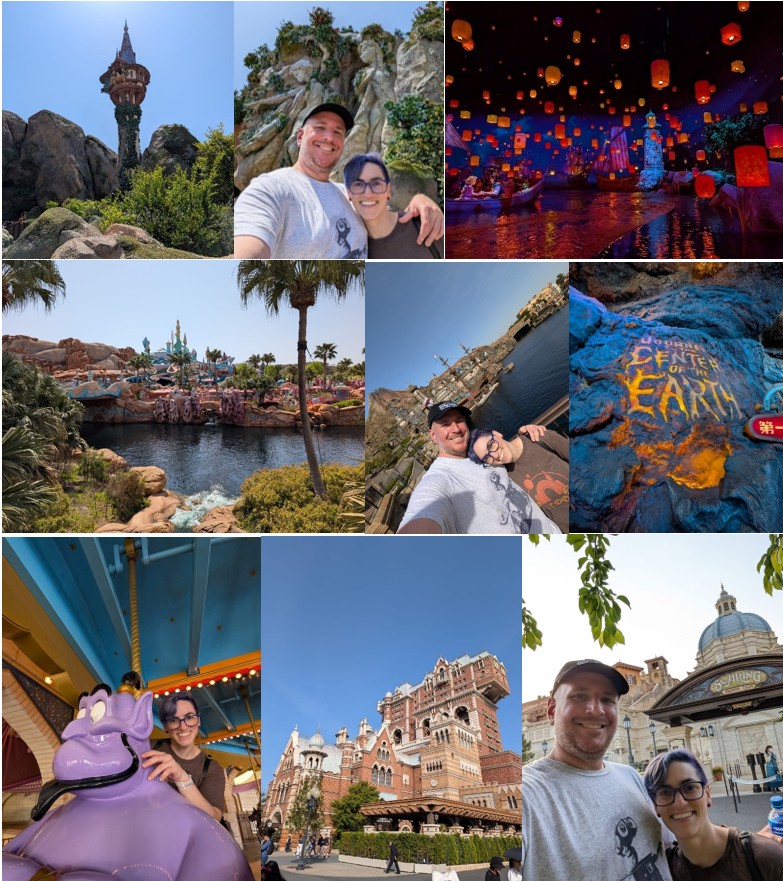

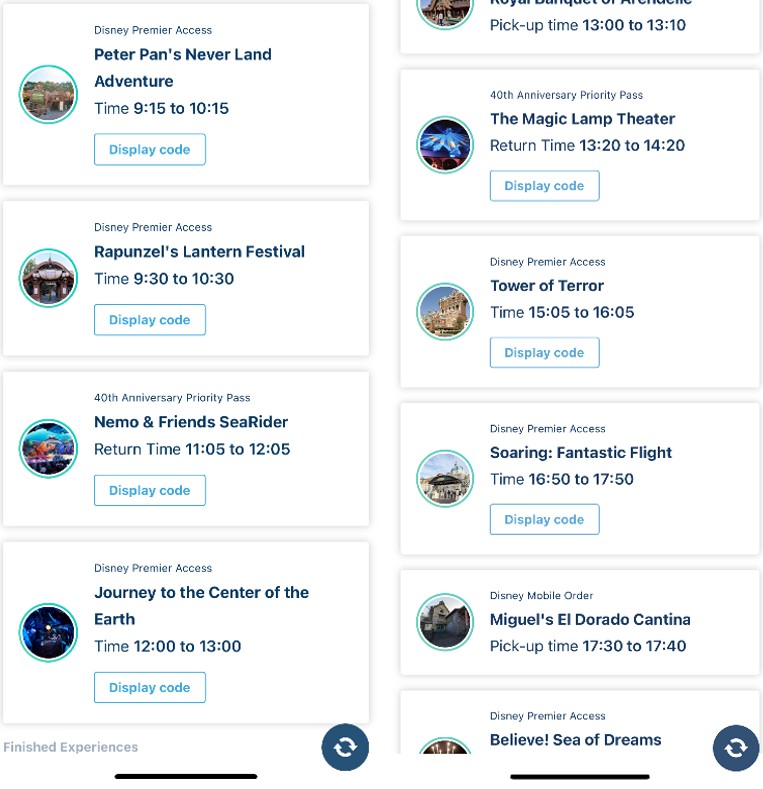

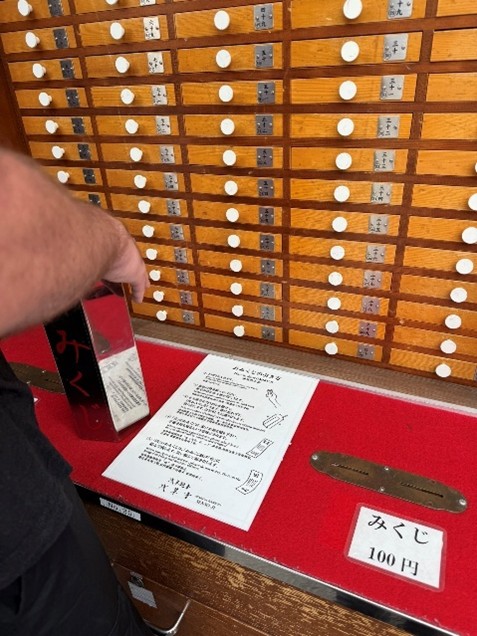
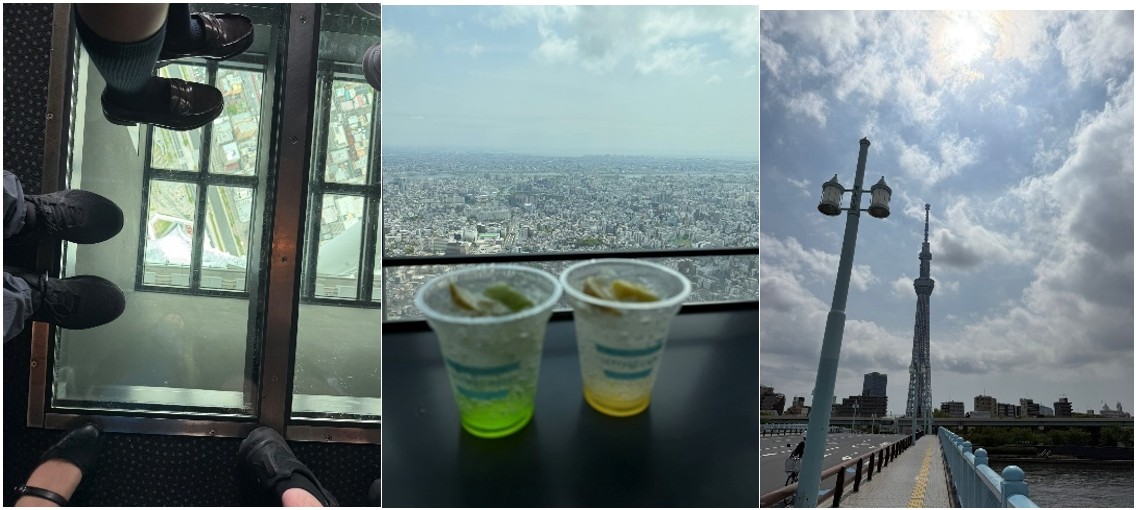


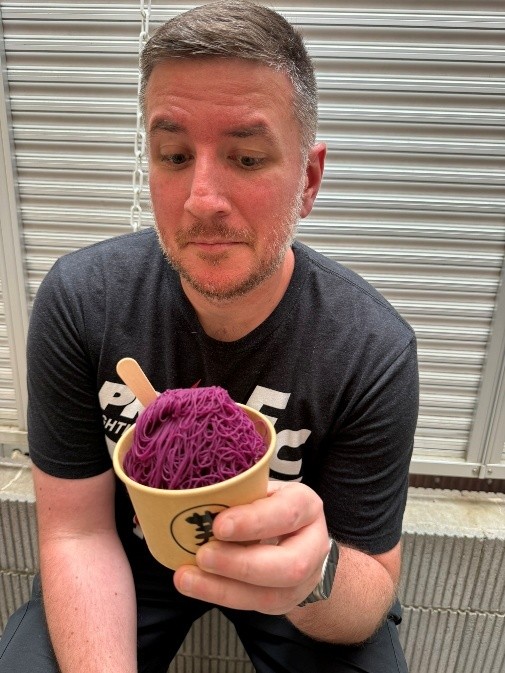

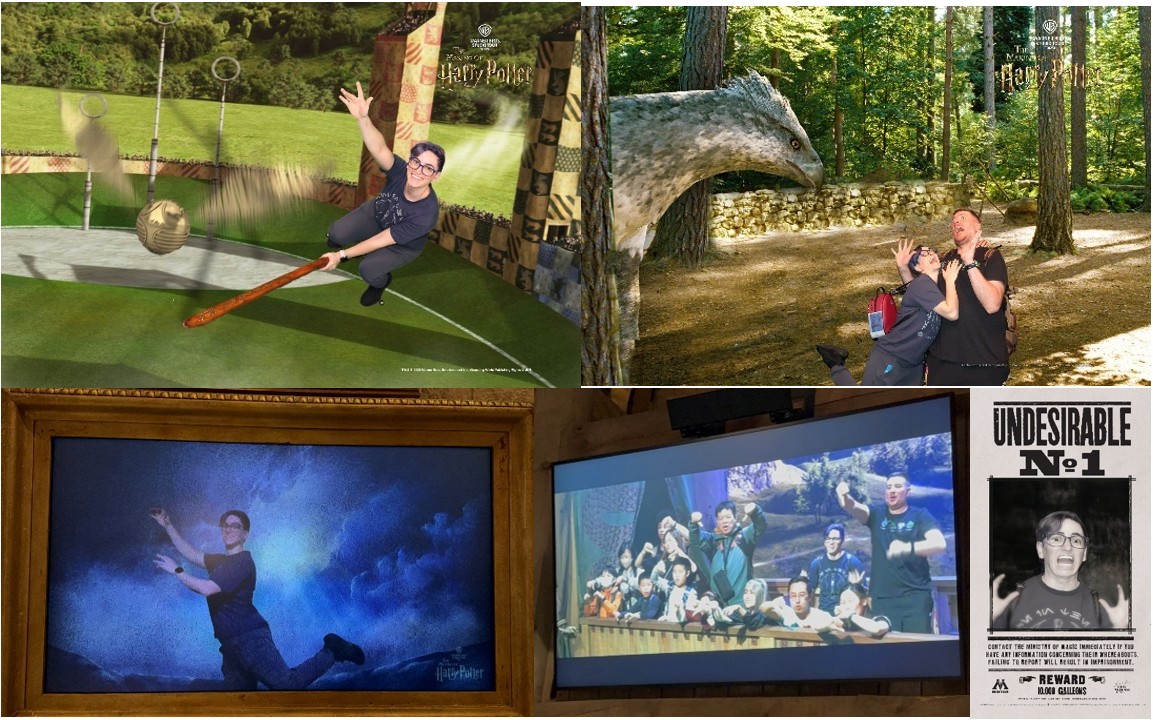

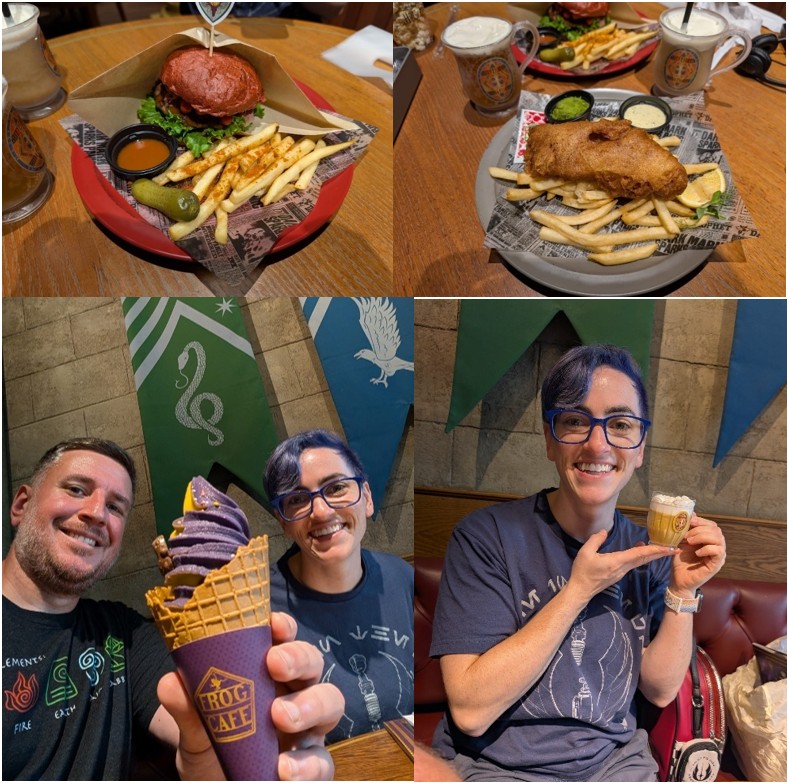
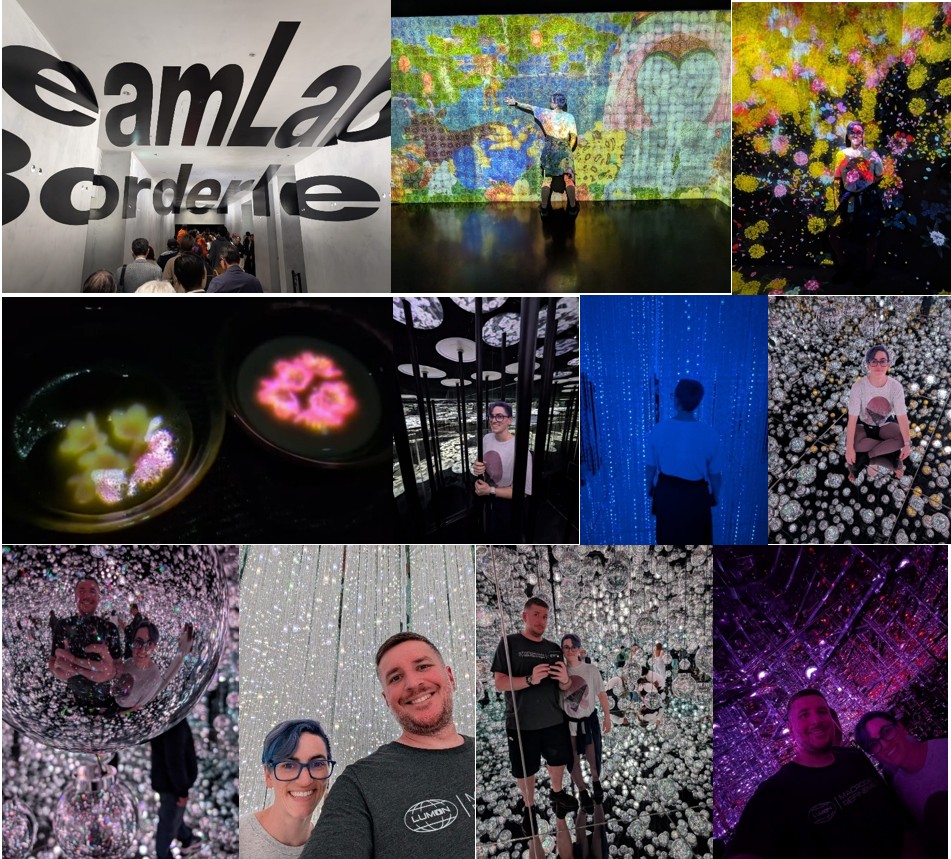
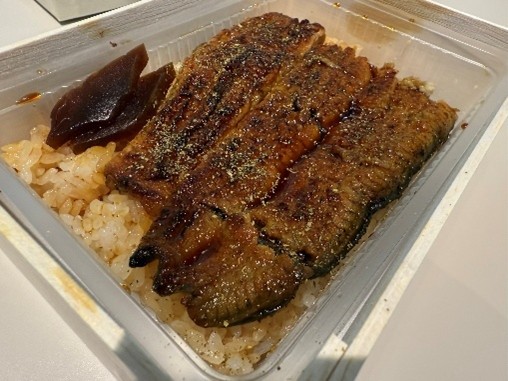
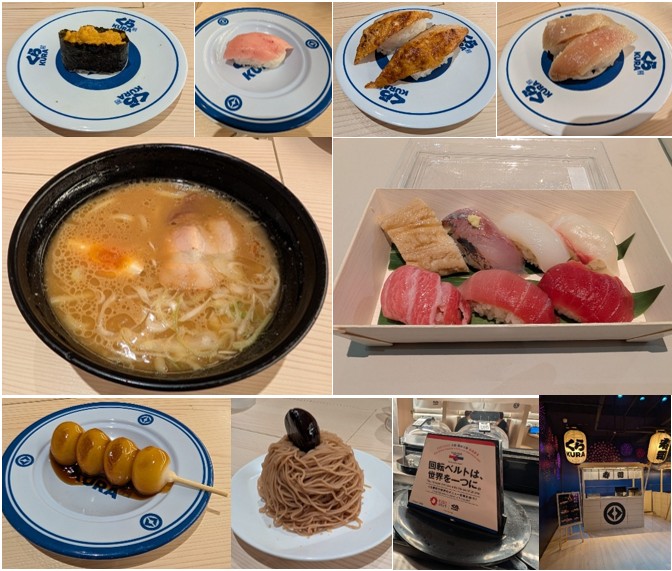
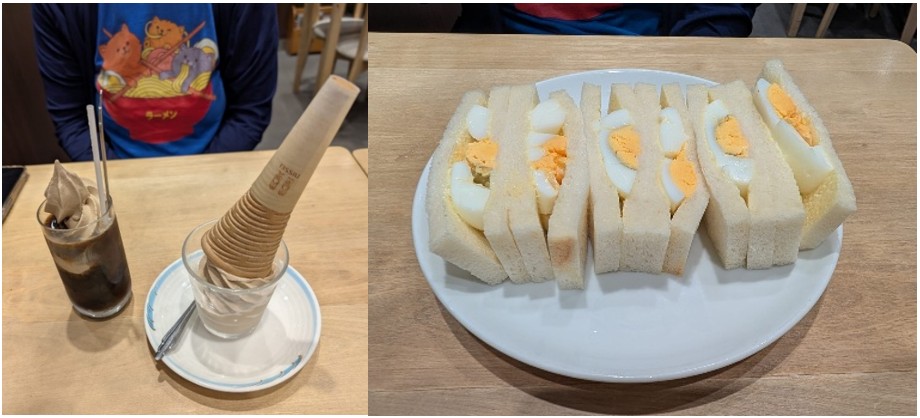
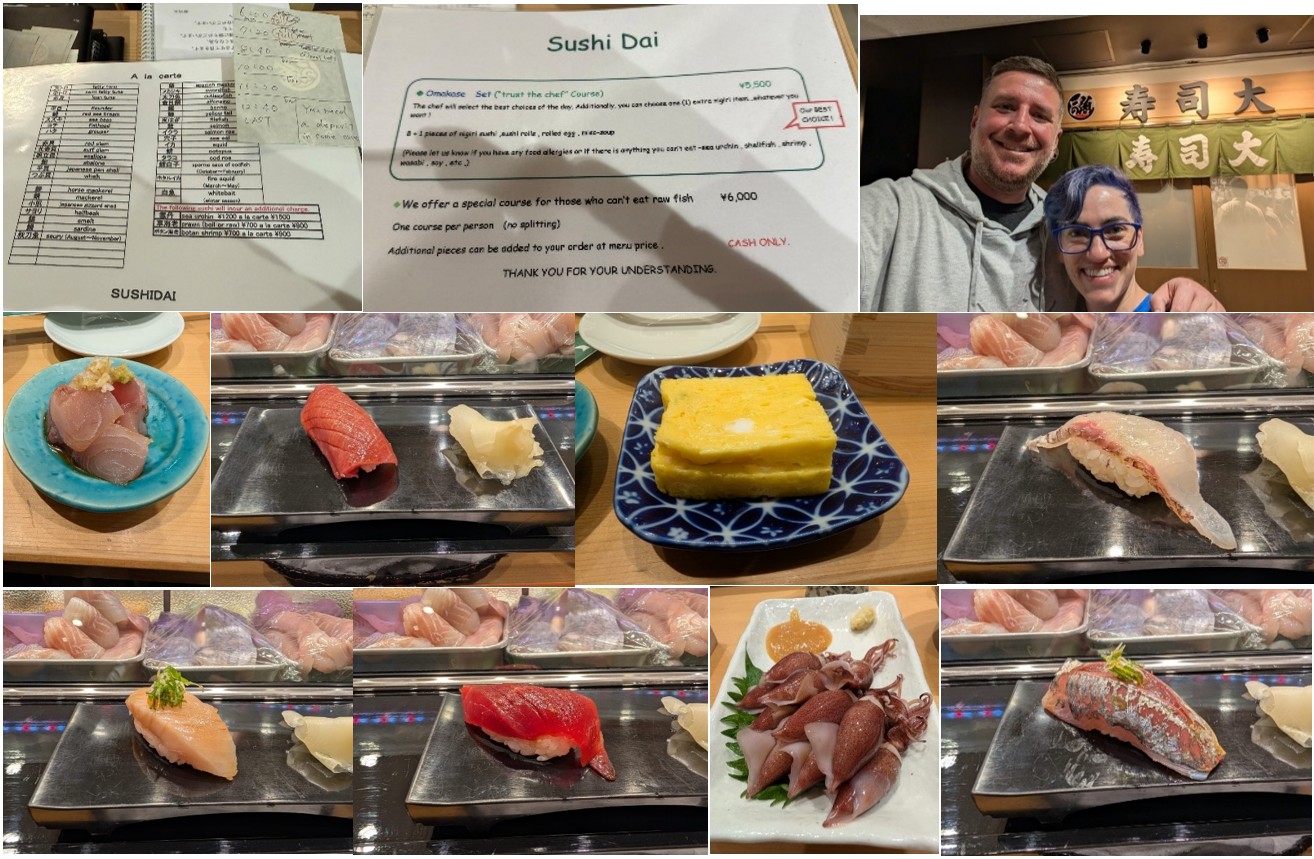
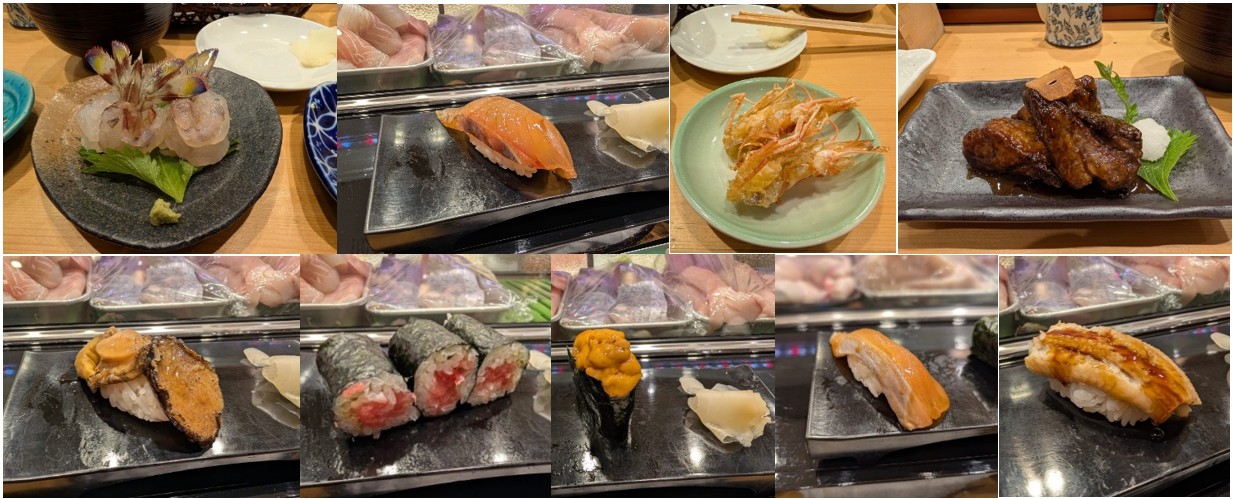
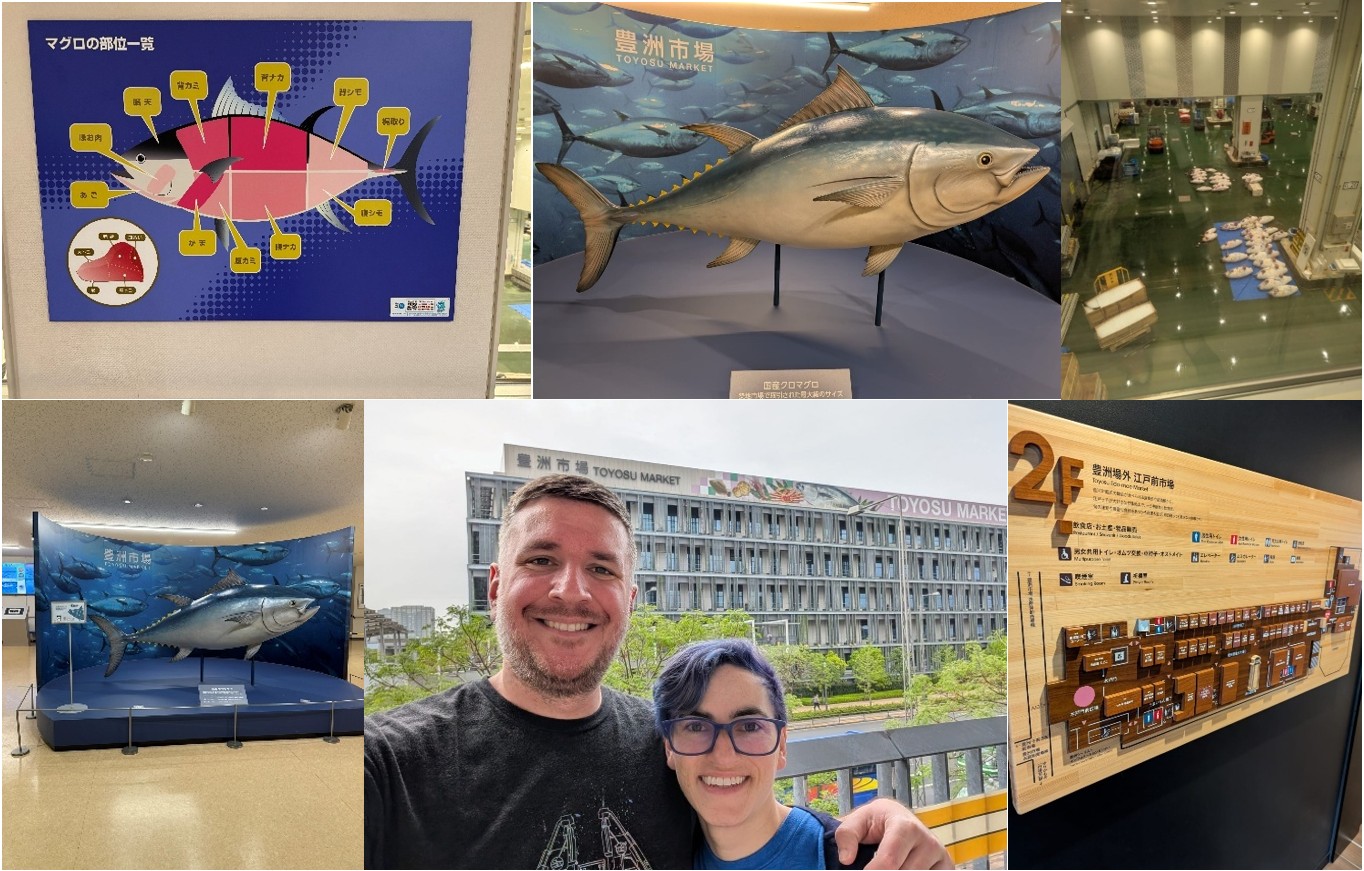


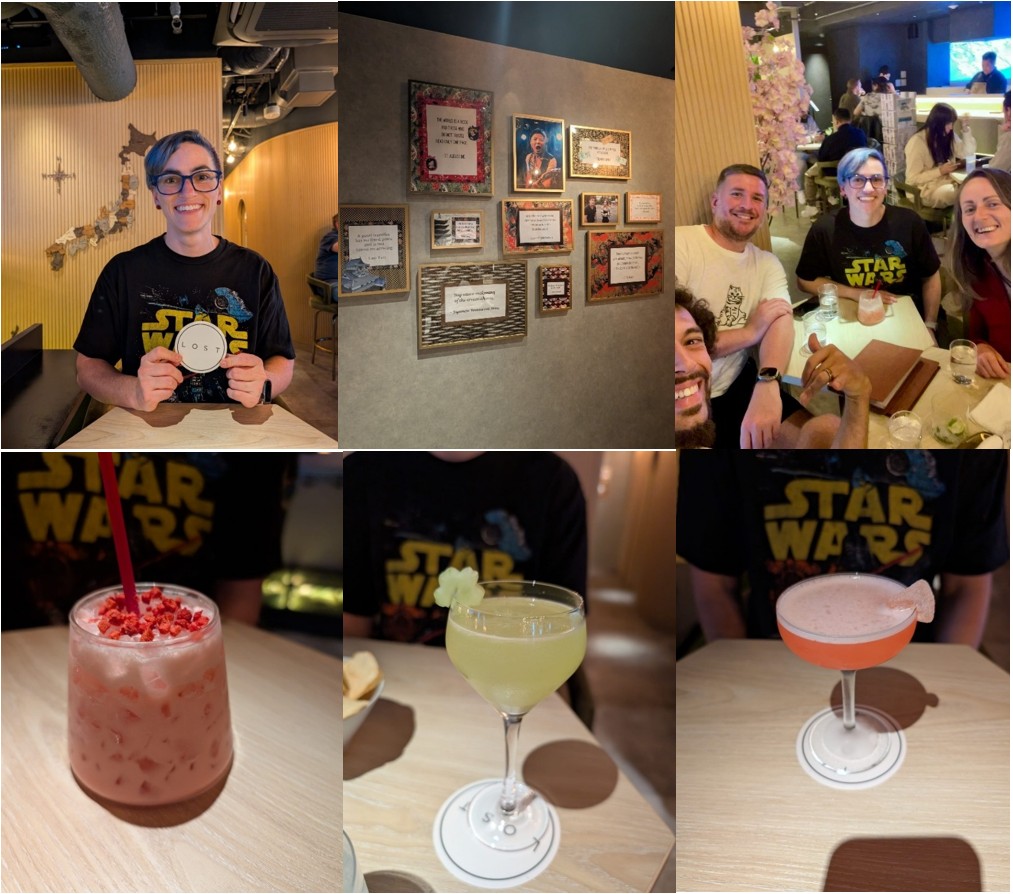

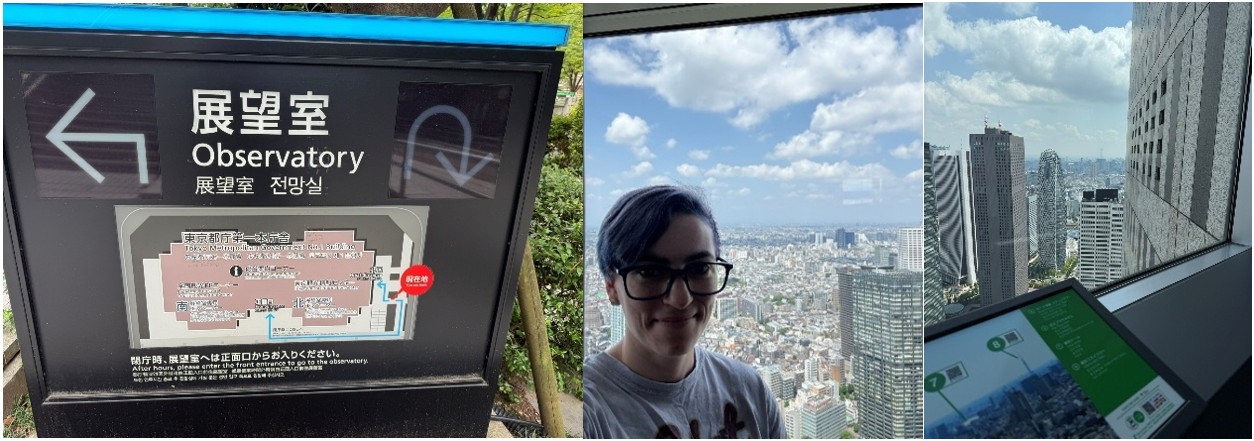


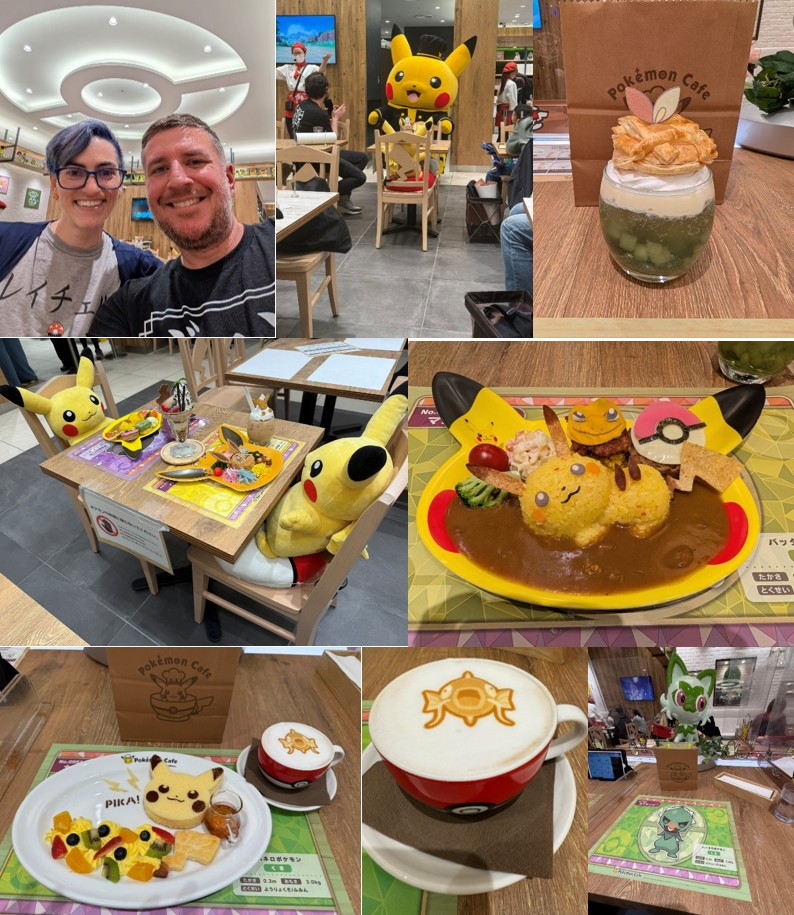
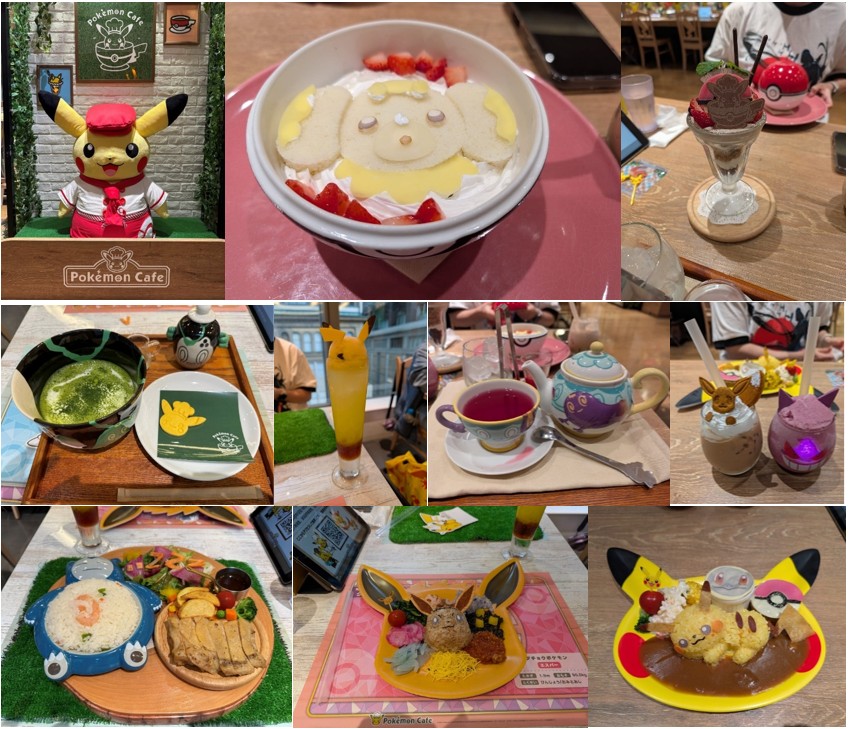

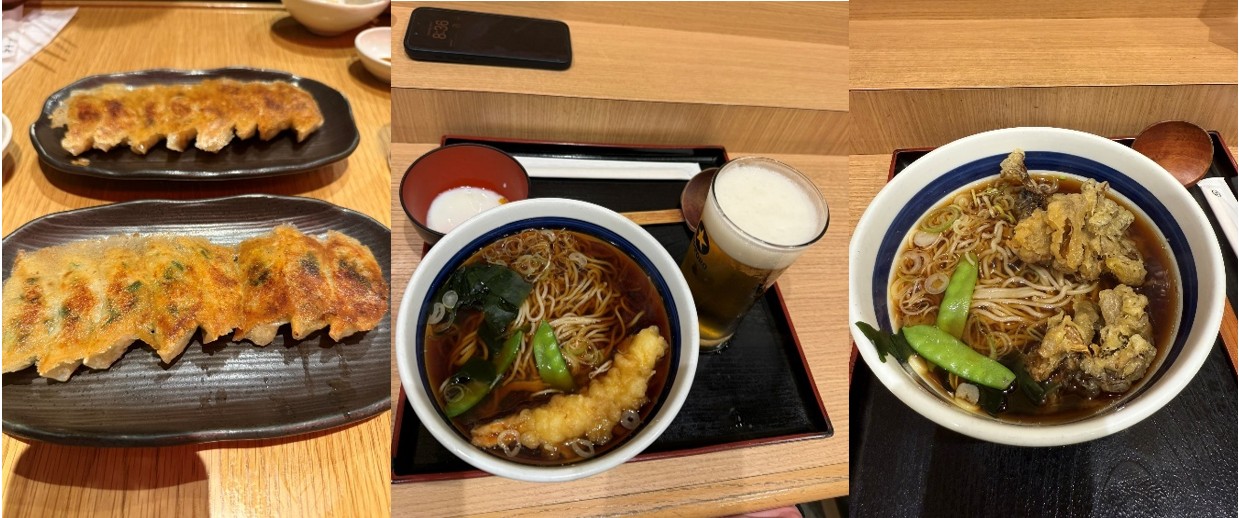
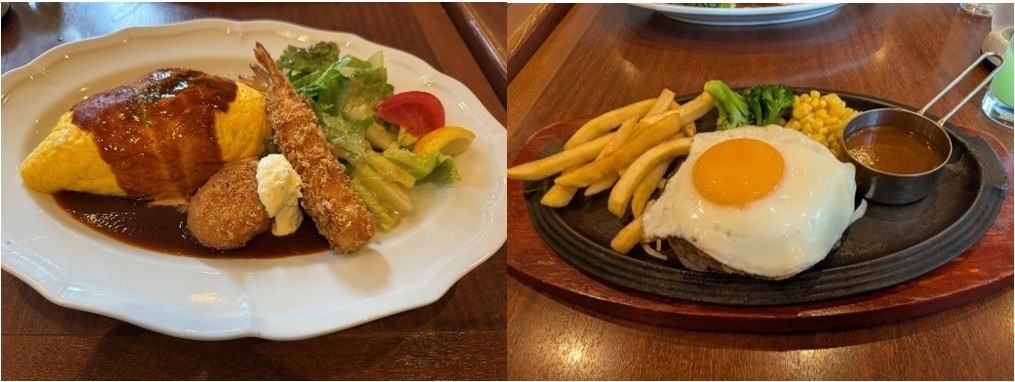

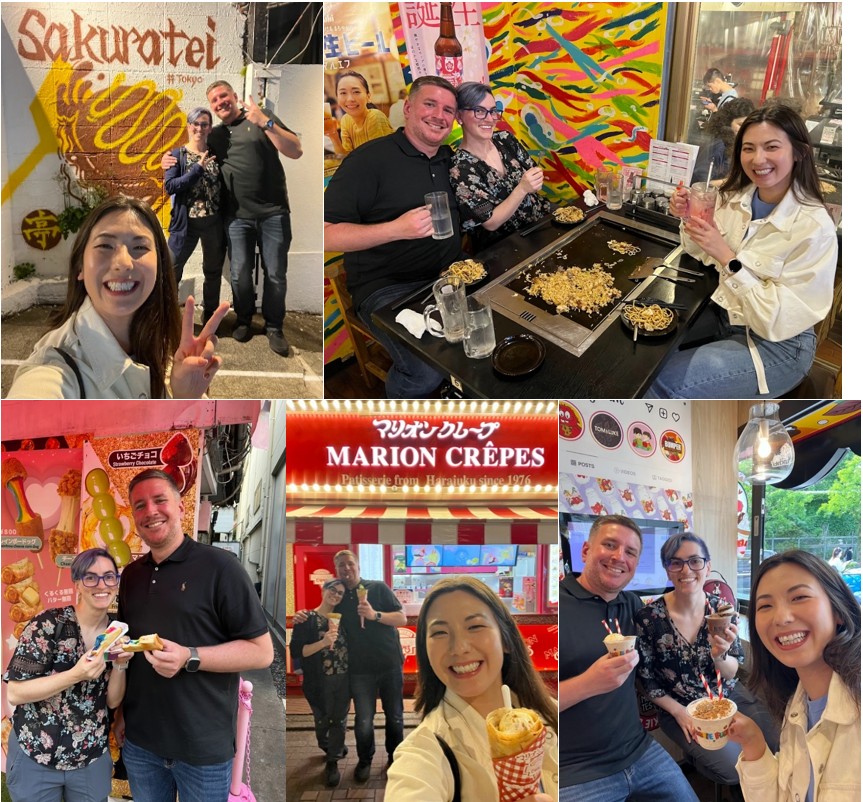
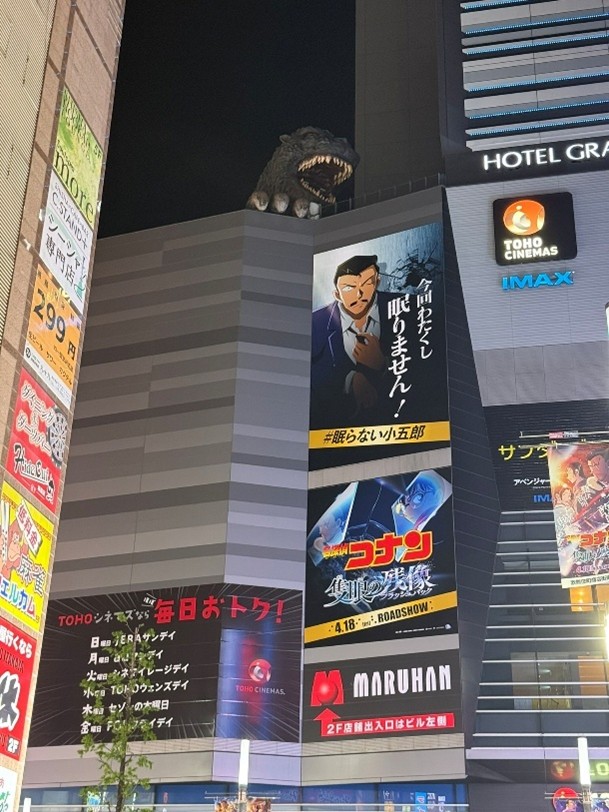


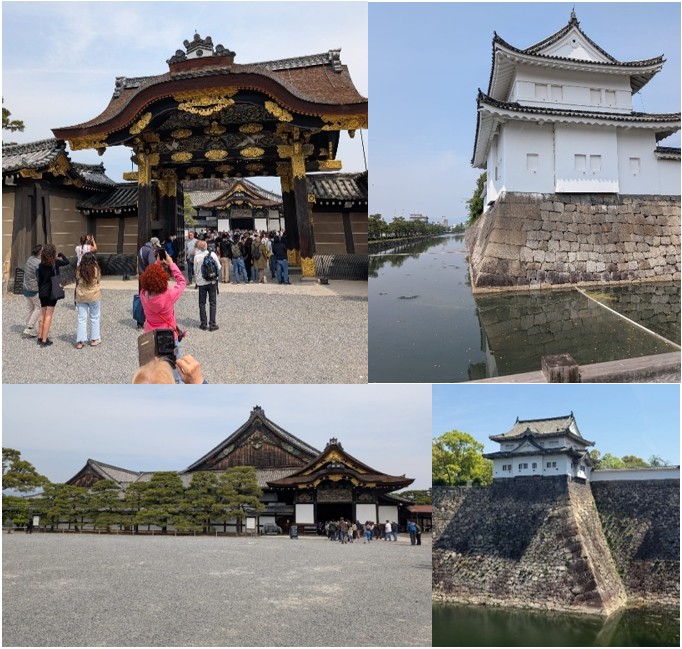


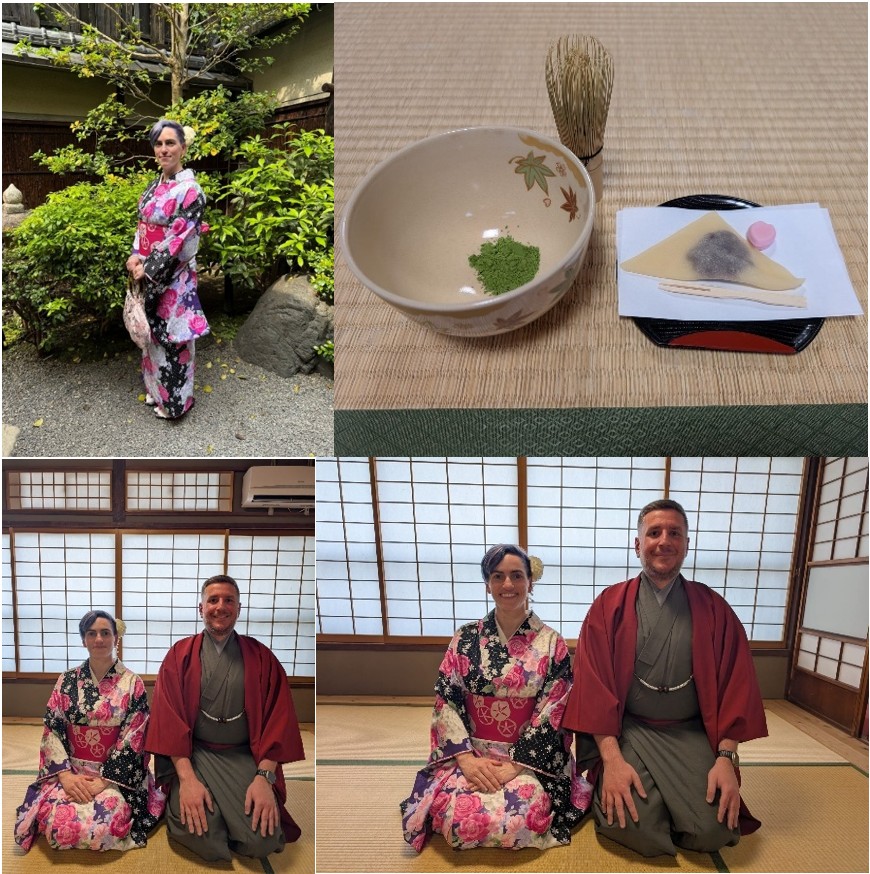
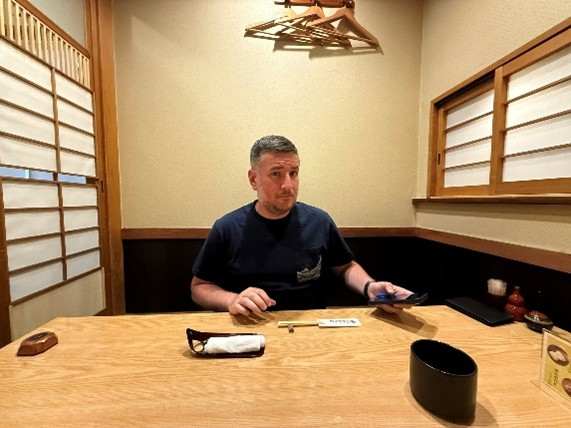

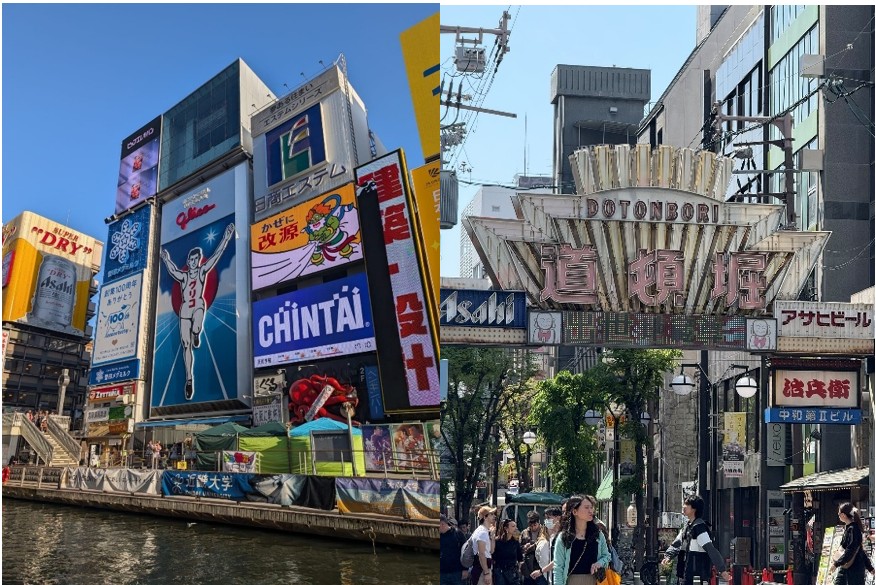
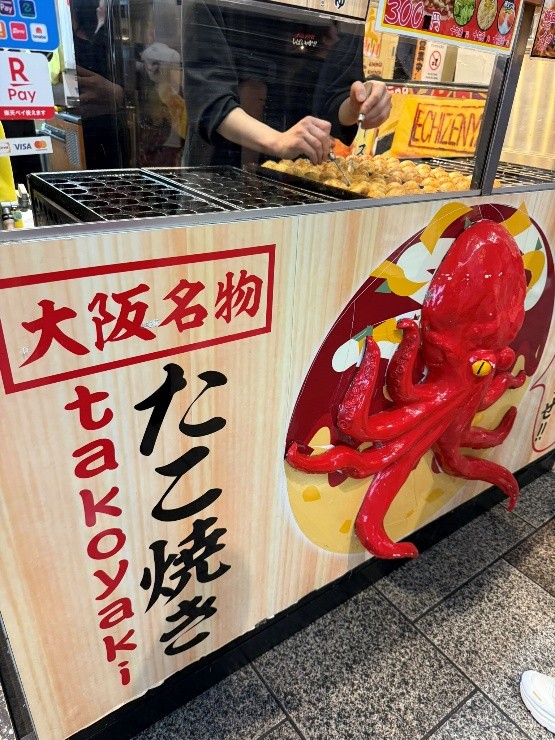
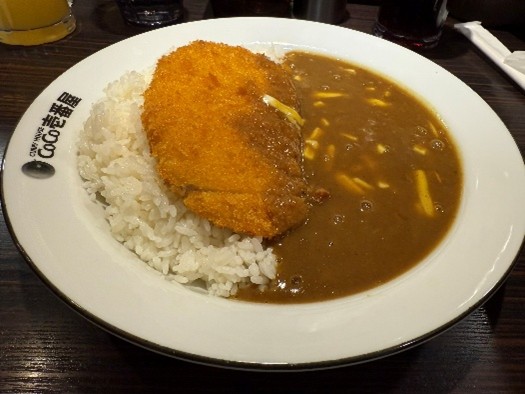
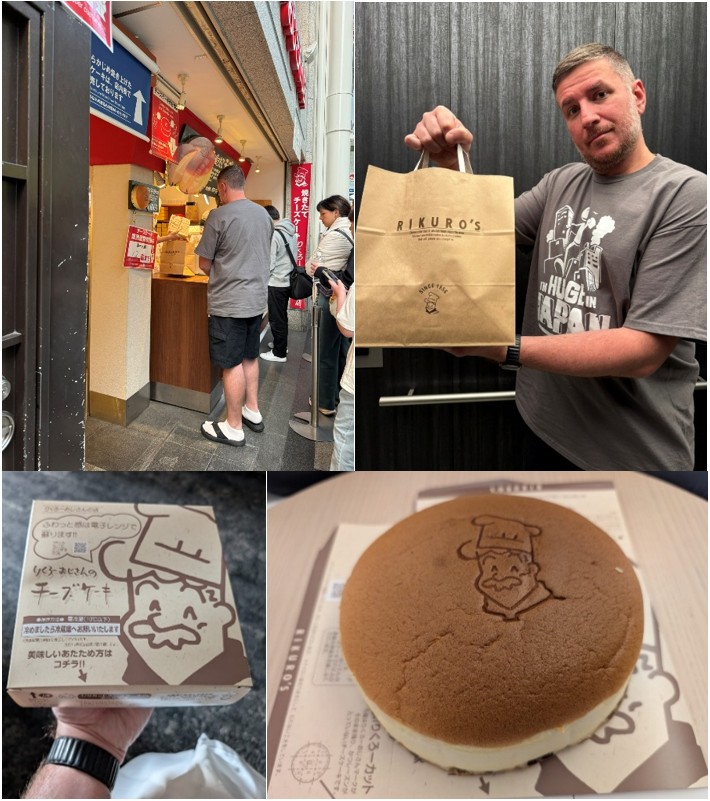

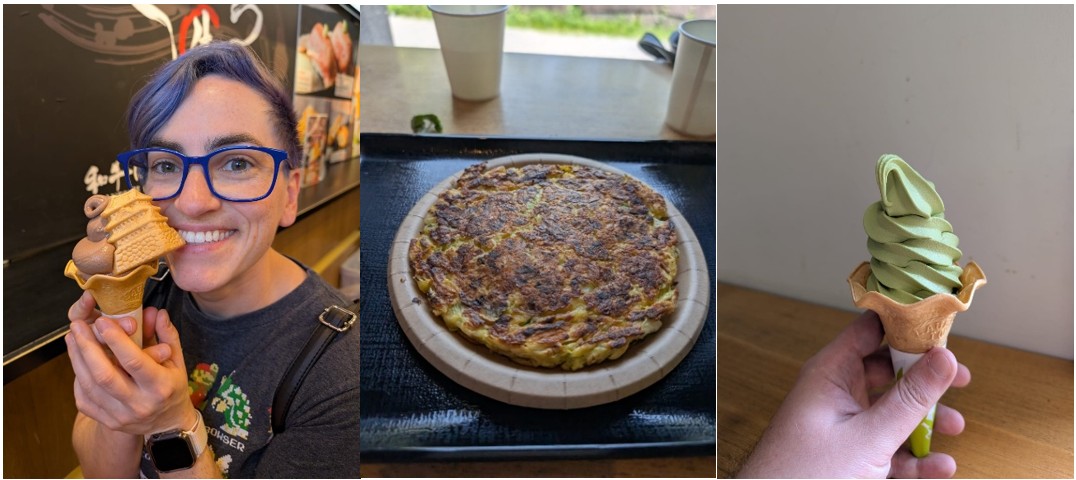
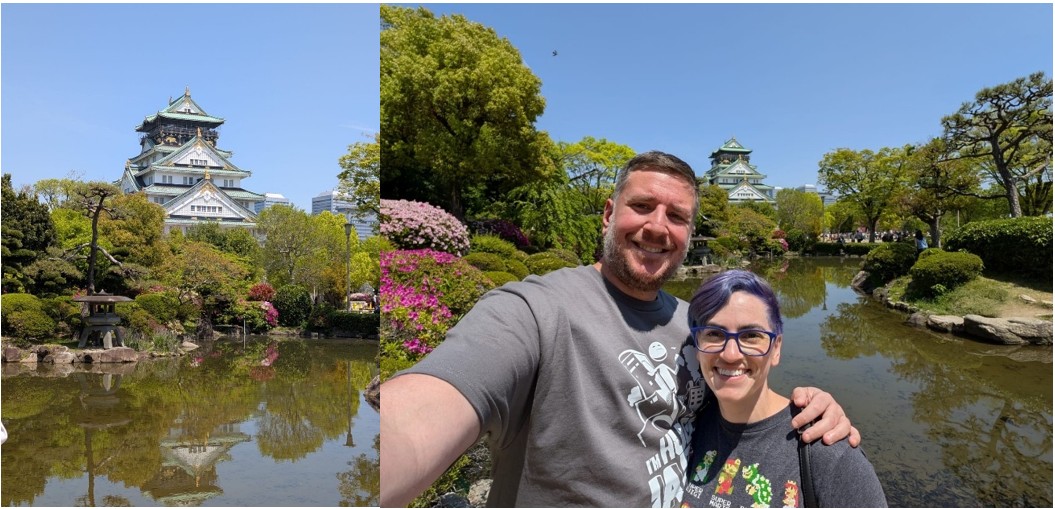

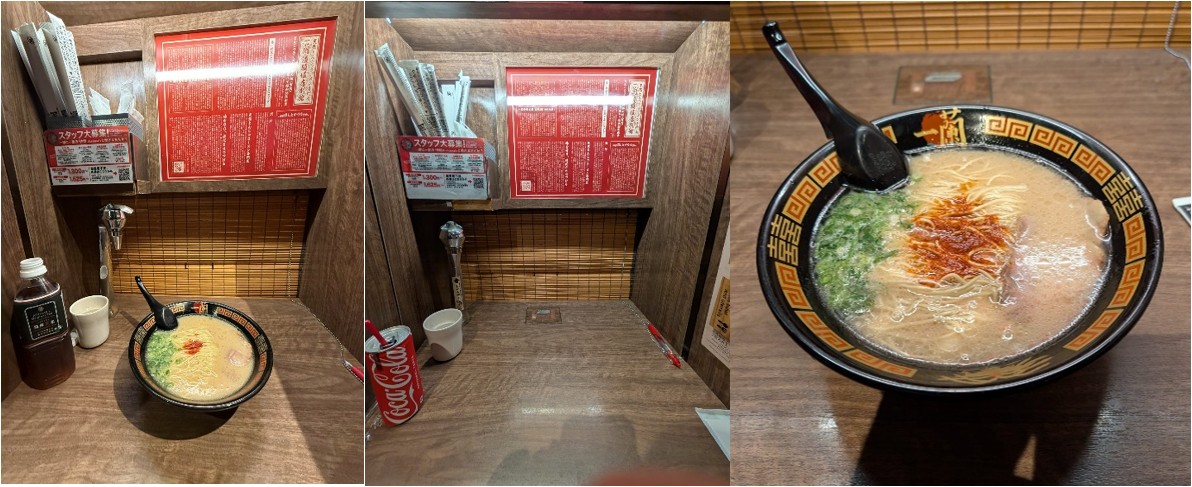


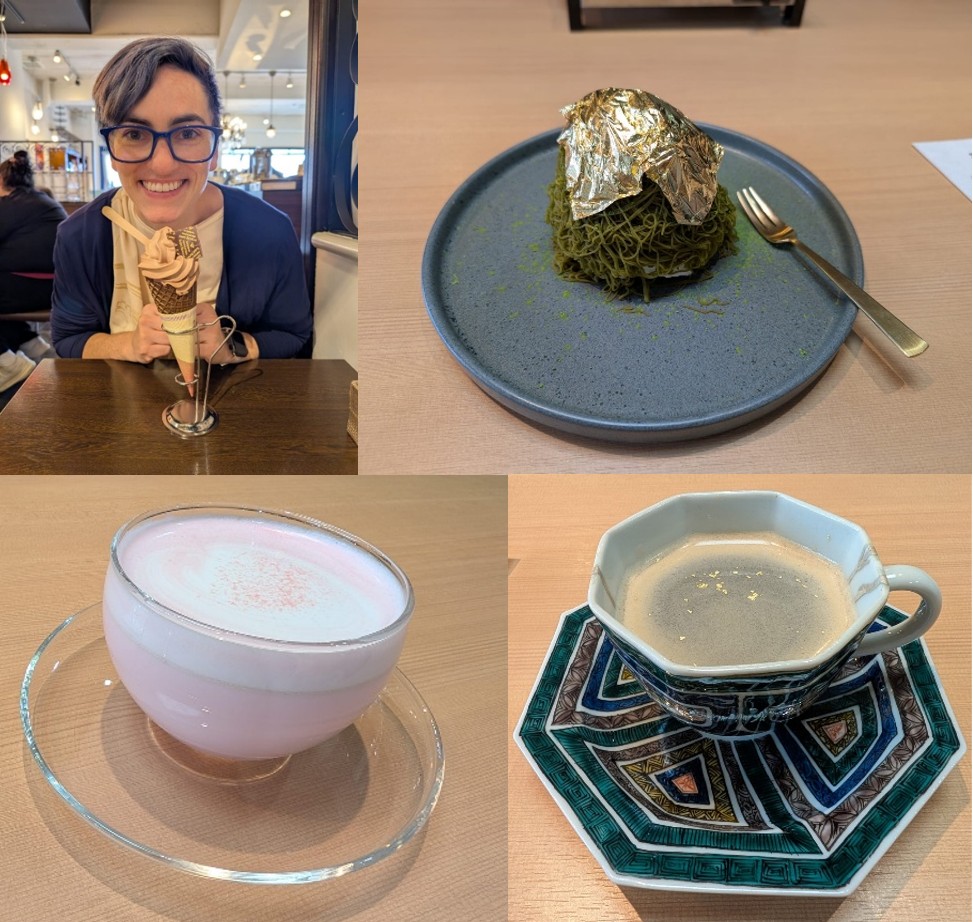
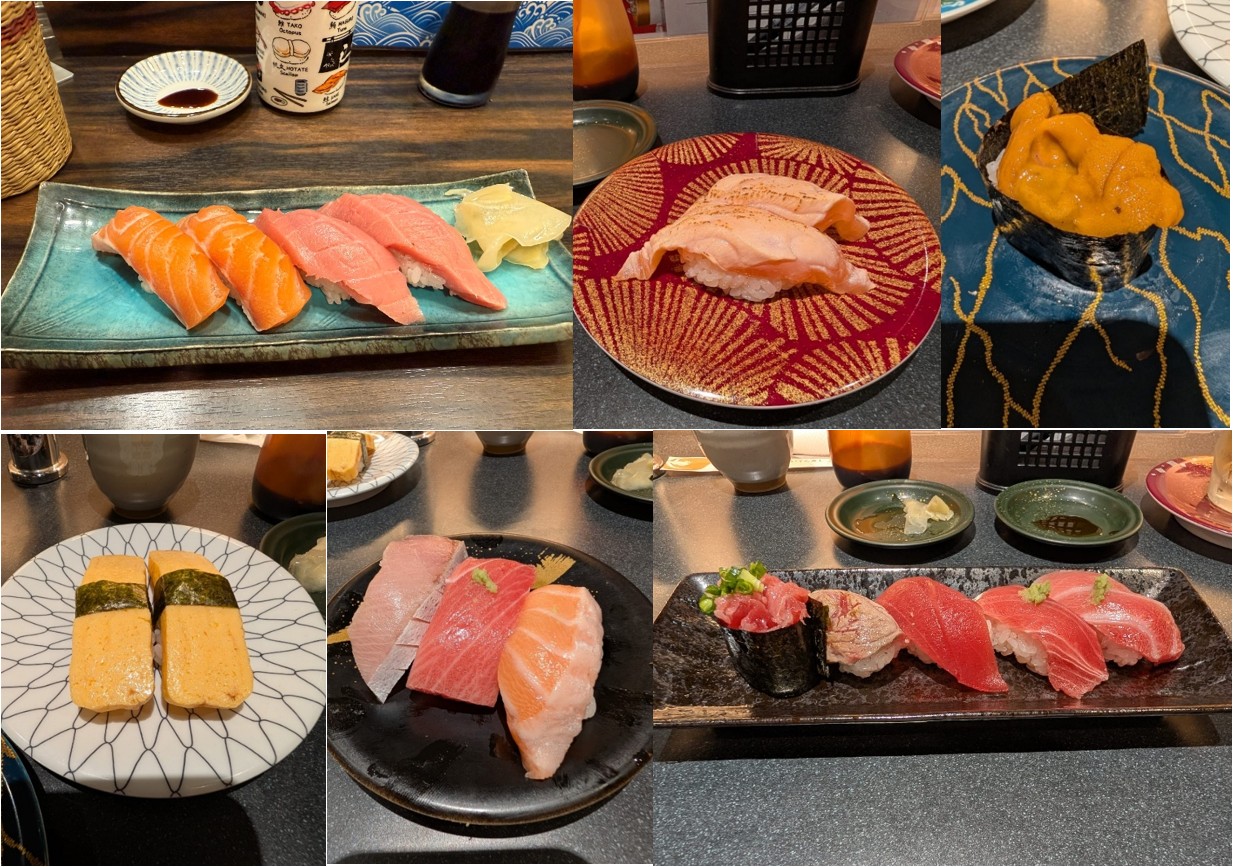

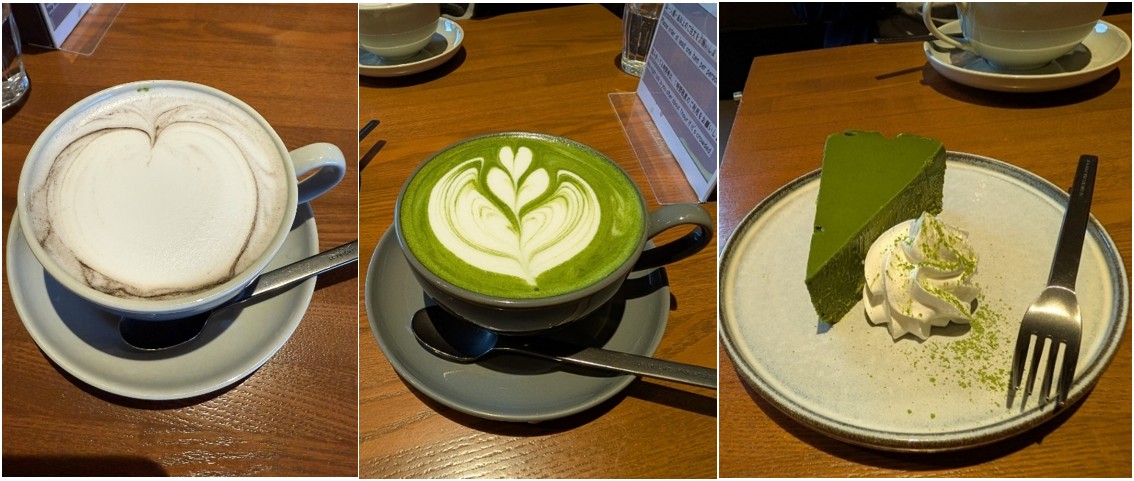

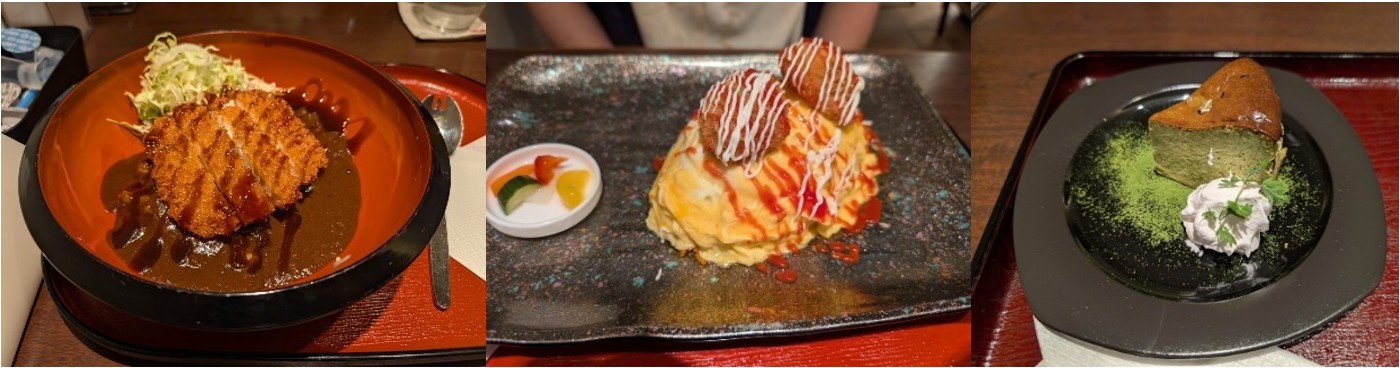

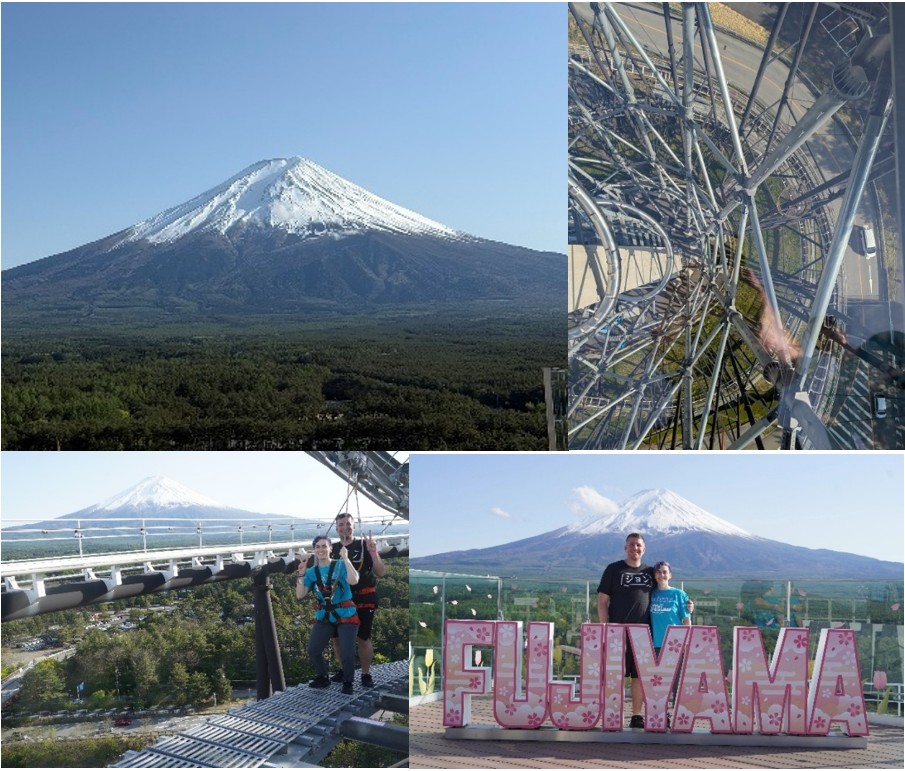
 Rachel Author Barnard