Japan 2026 Summer Trip: Tokyo & Hokkaido
Overall Trip Thoughts
This was our second trip to Japan, and our biggest takeaway was that we enjoyed having fewer reservations and more flexibility. Instead of filling every day with scheduled activities, we spent more time wandering, shopping for specific items, and exploring neighborhoods at our own pace.
The tradeoff was that some days became centered around eating and shopping, and we were oftentimes stuffed to the gills! The best balance for us was having a few priority reservations each day while leaving room to explore.
Compared to our previous trip, Lake Toya ended up being the highlight. The slower pace, incredible food, onsens, and unique experiences made it feel like a true vacation rather than a checklist of attractions. See our previous trip details from 2025 on my blog HERE.
Trip Overview
We traveled from July 5th to July 15th, 2026, flying from Honolulu to Narita. This was a trip for two adults, and it was our second time visiting Japan after spending 2.5 weeks there the previous spring.
We started planning this trip at the beginning of the year. Since we wanted to experience several high end sushi restaurants, we chose to stay at a luxury hotel that could assist with reservations for Sushi Take, Sushi Mizukami, and Sushi Jiro.
Our planning process was straightforward: flights first, then hotels, followed by transportation and restaurant reservations. We had already decided that Hokkaido would be the focus of this trip, so we worked backward from the cities we wanted to visit and how many nights we could spend in each location while still fitting everything into our itinerary.
Compared to our previous trip, we intentionally planned for more flexibility. Instead of filling every day with scheduled activities, we wanted more time to explore, shop, eat, and experience Japan at a slower pace.
Table of Contents
- Summer in Japan tips
- Hotels & Onsens
- Sushi
- Other Restaurants and Food in Tokyo
- Other Restaurants and Food in Hokkaido
- Ice Cream & Desserts
- Shopping and Souvenirs
- Attractions
- Transportation
- Gifts
- Packing
- Cost Summary and Final Thoughts
Summer in Japan tips
- Bring a fan
- Expect humidity
- Build in indoor breaks
- Convenience stores are lifesavers with air-conditioning and hydration options
- Wear comfortable shoes
- Avoid packing too much because you will buy things
Hotels & Onsens
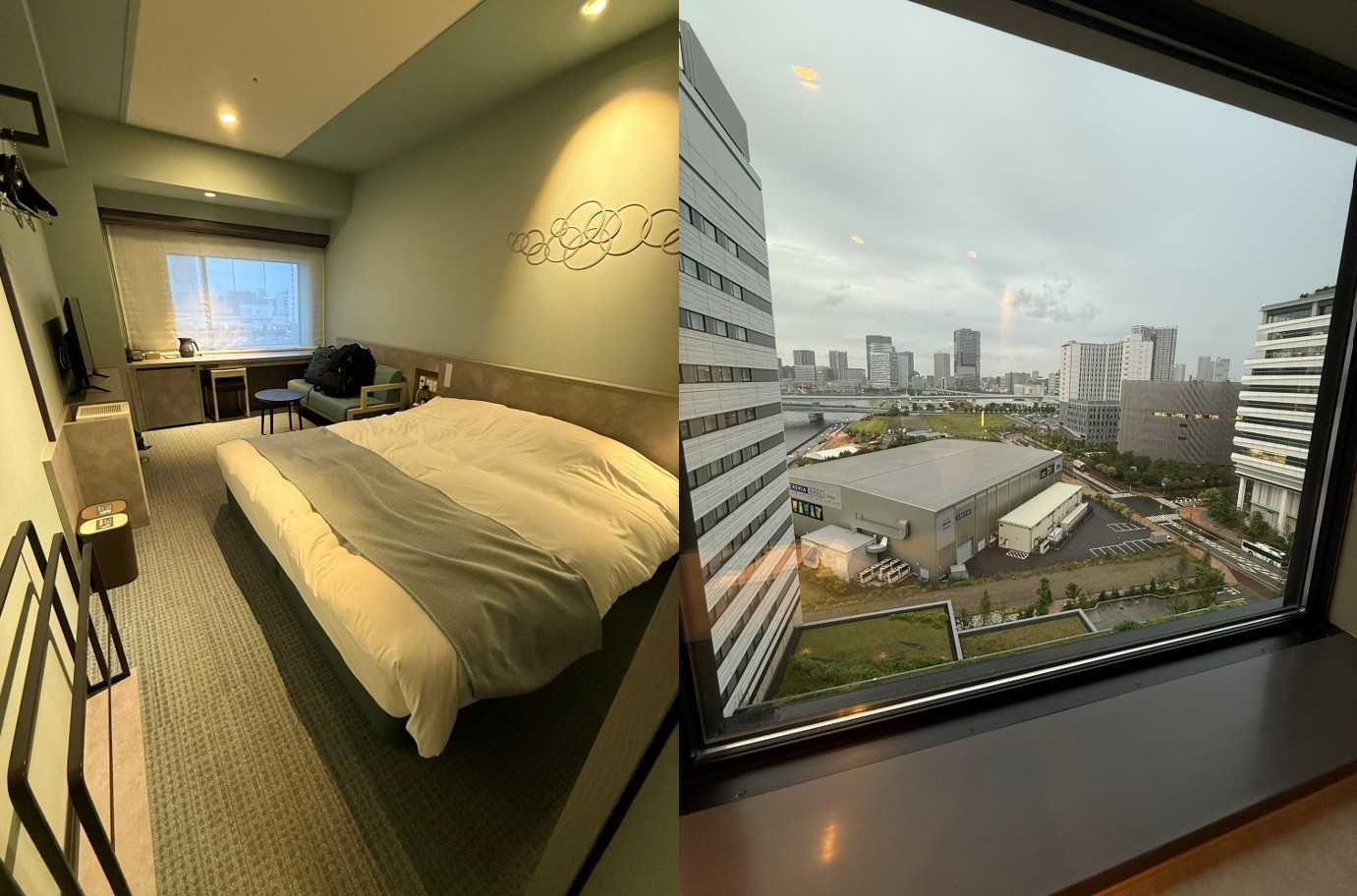
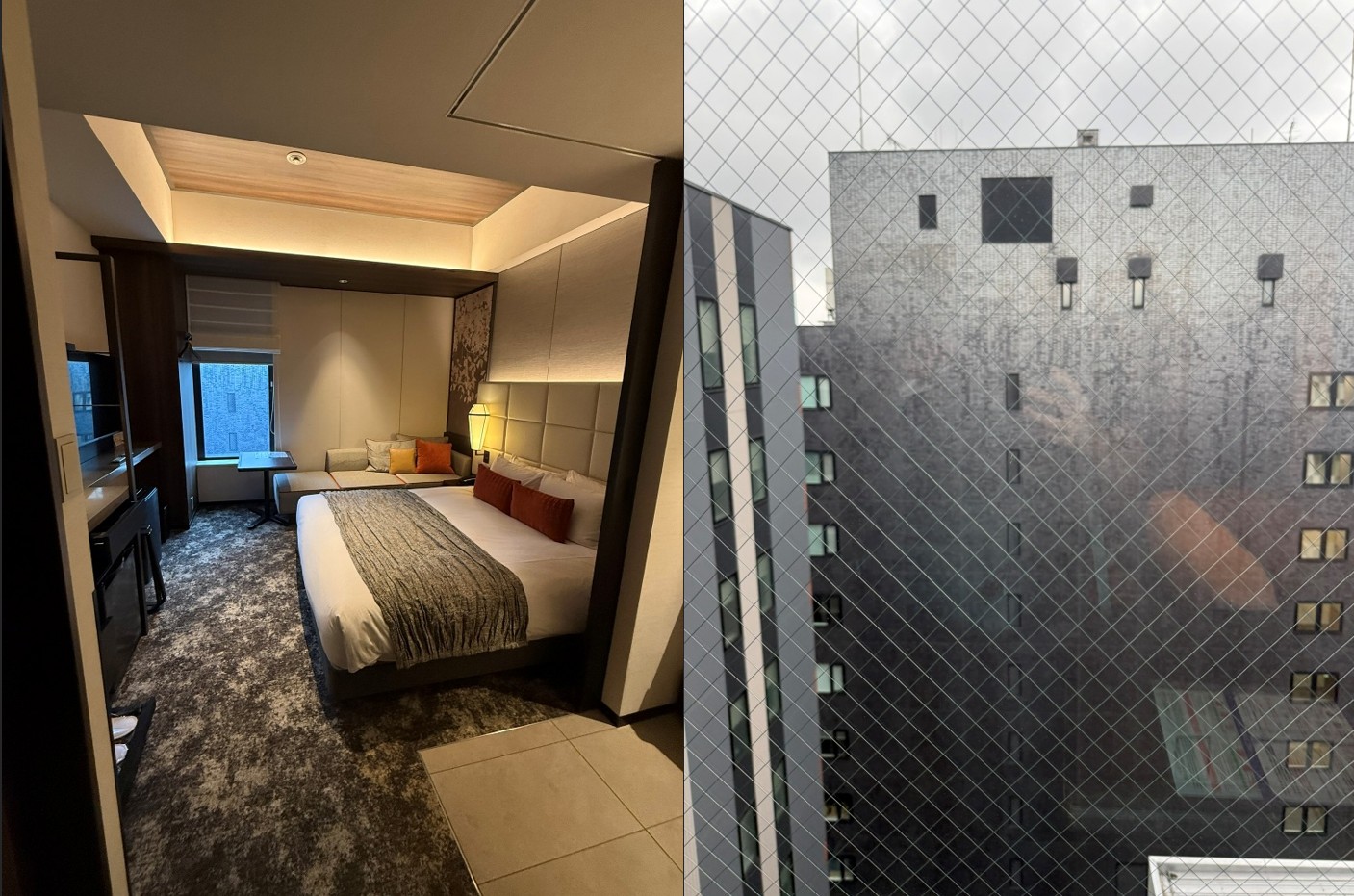
Hotel La Vista Tokyo Bay (Tokyo)
Cost: ¥21,770 (Priceline) for 1 night
Location
- 6 Chome-4-40 Toyosu, Koto City, Tokyo
- Walking distance to Toyosu Market
- Covered walkway to Sushi Dai
- Train station nearby
- Konbini and Sugi Pharmacy next door
Pros
- Gorgeous Tokyo Bay views
- Large square window overlooking the skyline
- Spacious room
- Excellent value
- Rooftop onsen with city views that includes multiple baths, sauna, and cold plunge
Cons
- Slippers were confusing (room vs. onsen)
- If you’re not going to Toyosu market or Sushi Dai, the location is less convenient
Best value. Great views, excellent onsen, perfect location for Toyosu.
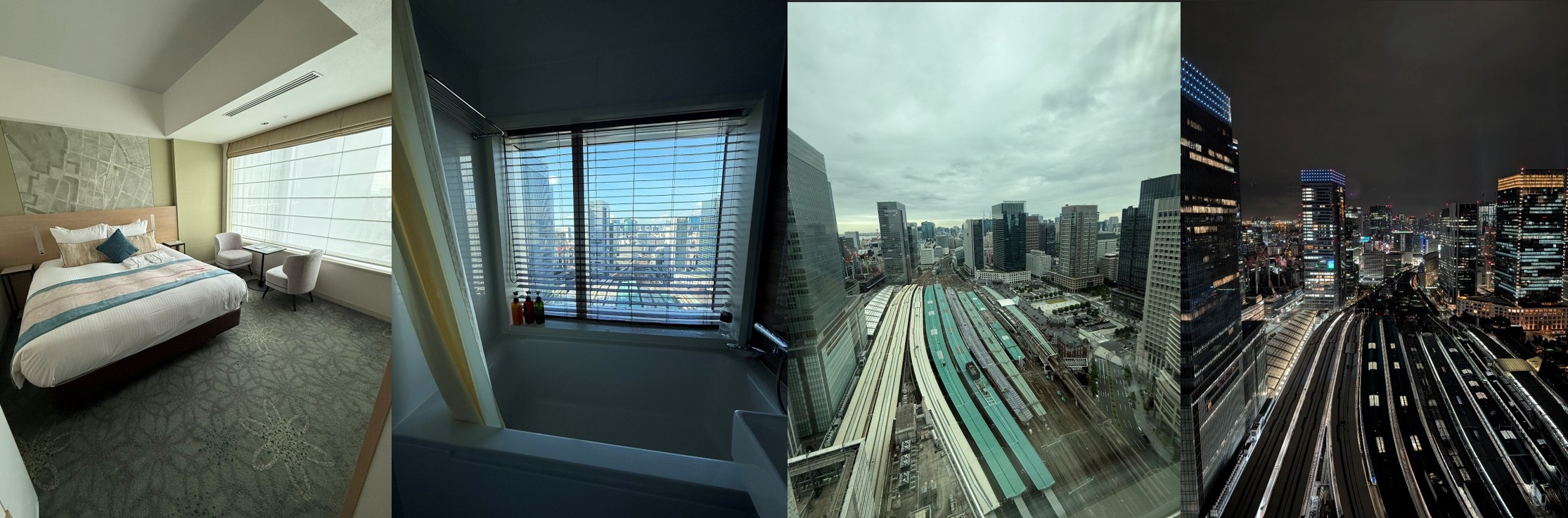
Hotel Metropolitan Marunouchi (near Tokyo Station)
Cost: ¥50,700 for 1 night
Pros
- Best hotel for train lovers
- Incredible station-side rooms
- Amazing bathtub overlooking Tokyo Station
- Great layout
- 12 PM checkout
Cons
- There are a lot of choices for choosing a room so if you want a station side view make sure to choose that!
Best location for train lovers.
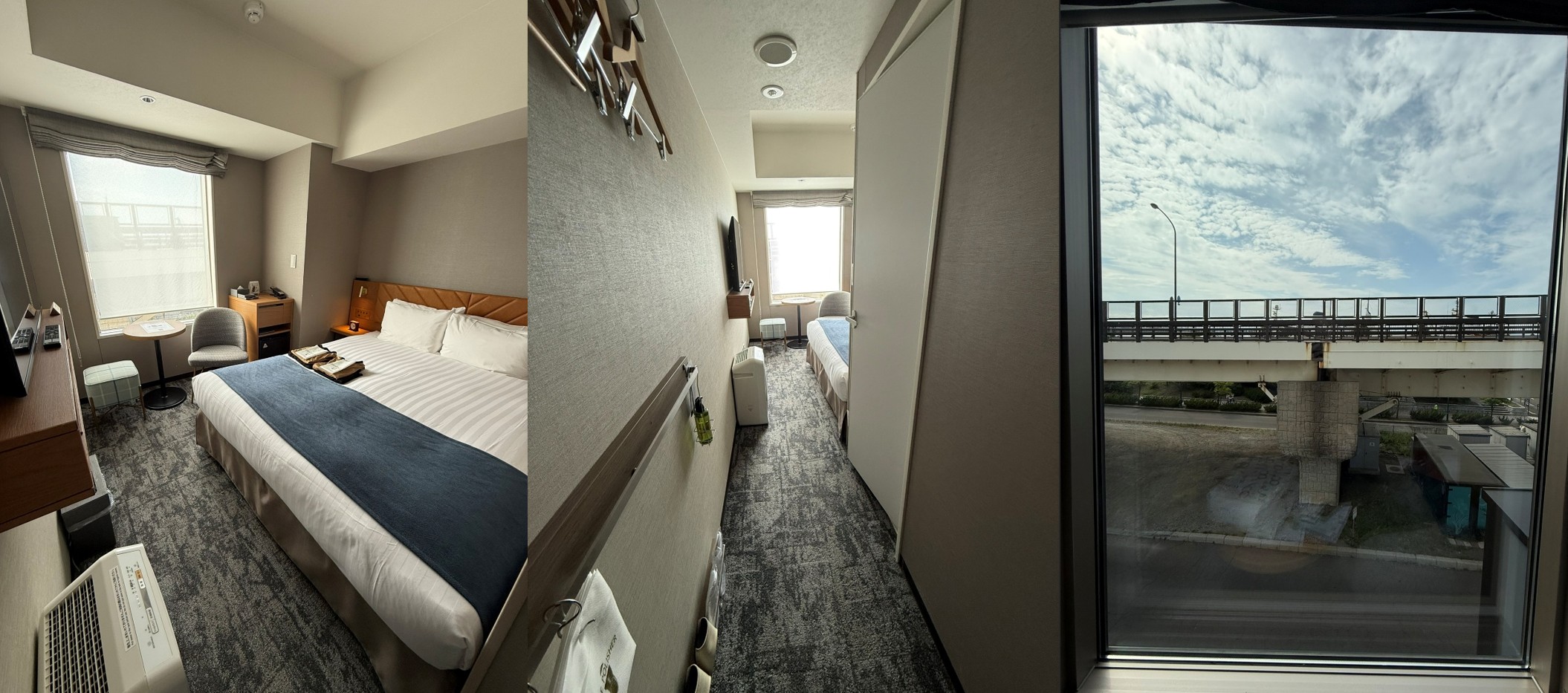
Tokyu Stay Hakodate Asaichi Akari no Yu (Hakodate)
Cost: ¥17,830 for 1 night
Pros
- Washer/dryer in room
- Excellent location close to the station
- Walk to Morning Market
Cons
- Small room
- No view
- No memorable onsen
Best practical hotel. Great location and washer/dryer.
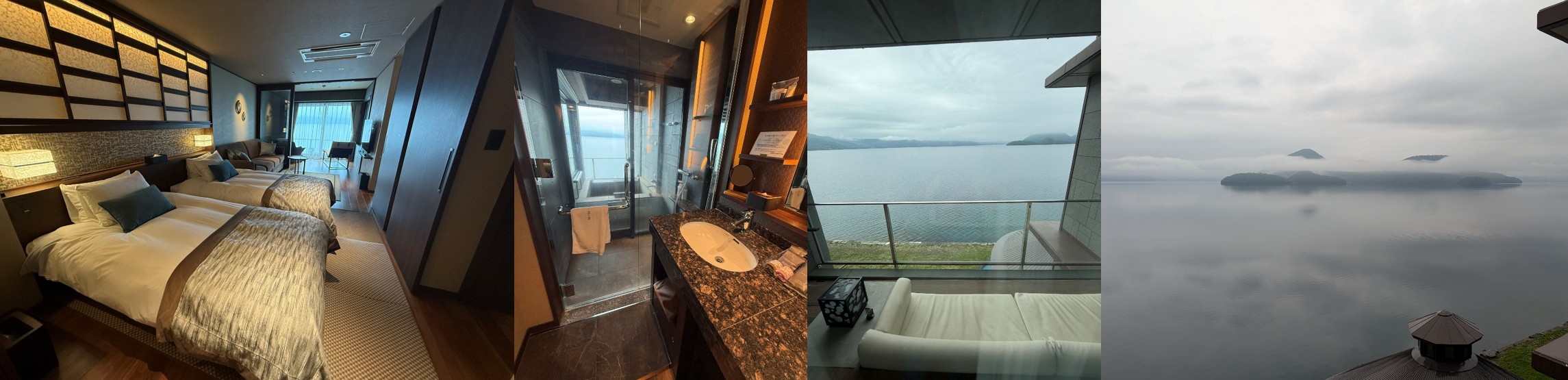
The Lake Suite Ko No Sumika (Lake Toya)
Cost: ¥163,525 for 2-nights
Best hotel of the trip
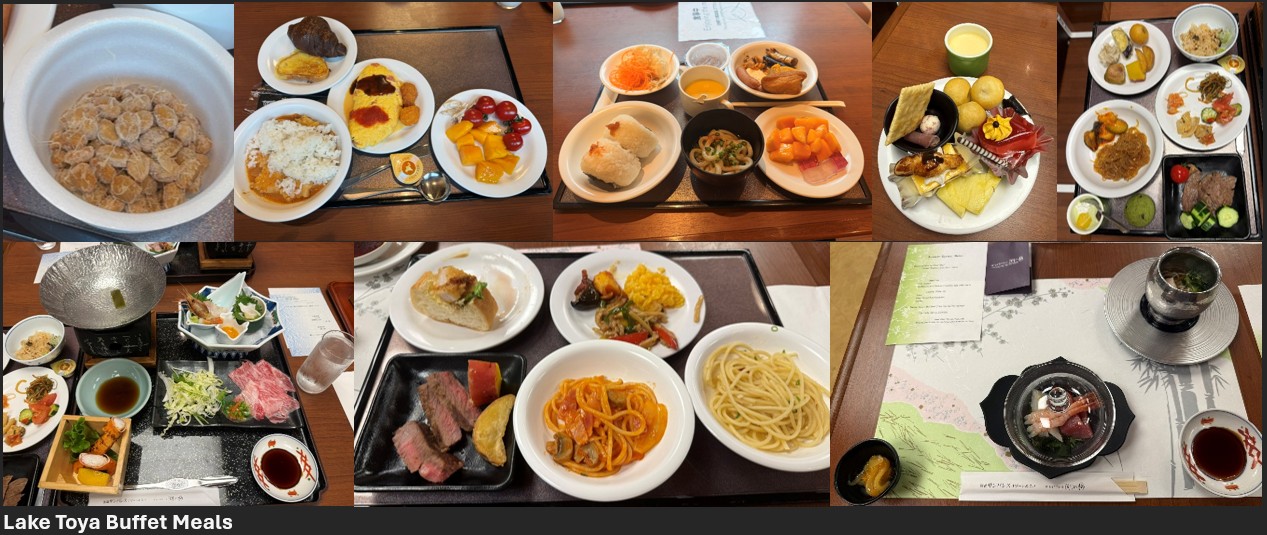
Why
- Incredible lake views
- Personal onsen
- Outdoor infinity-style onsen
- Multiple hotel onsens including a personal open-air onsen in the room
- Fireworks directly outside the room
- Huge buffet
- Free beer
- Spa
- Arcade next door
Best overall experience. Worth the splurge if you want a resort stay.
Solaria Nishitetsu Hotel (Sapporo)
Cost: ¥69,503 for 2 nights paid with Capital One Travel portal
Pros
- Clean
- Close to the Odori park, clock tower, and the station
Cons
- No view
- Basement onsen felt crowded and was not special – felt the most like a public bath vs. onsen
- Personal amenities are located in the lobby not the room
Fine for exploring Sapporo but not memorable.
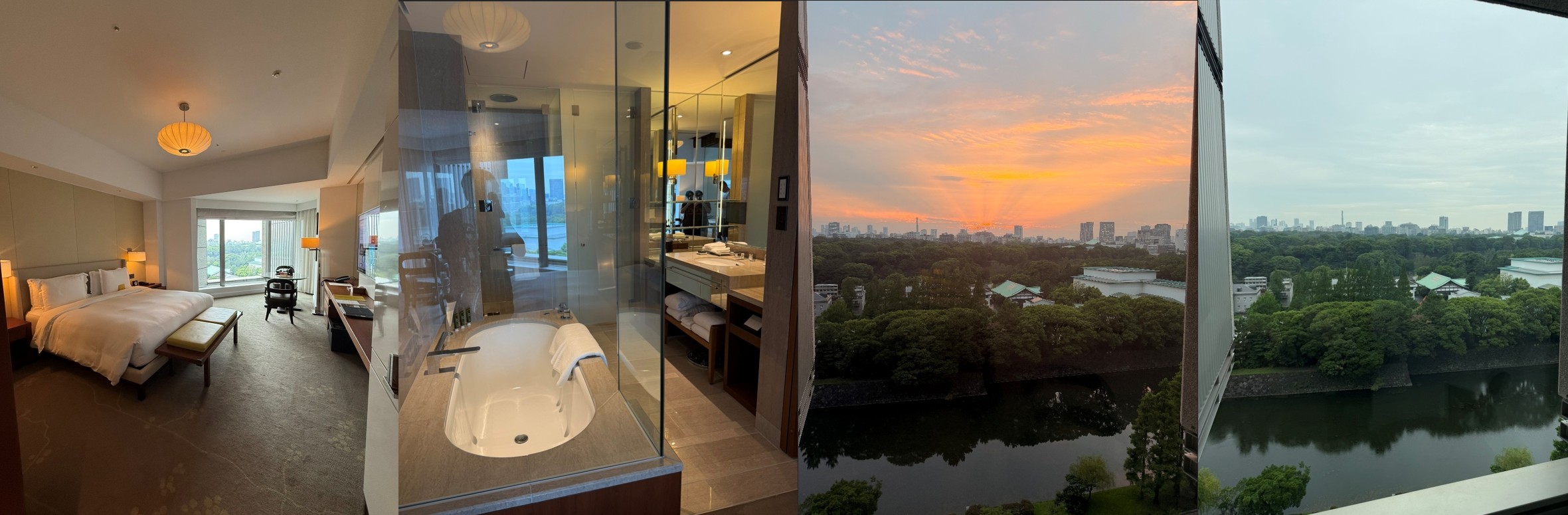
Tokyo Palace hotel (Tokyo)
Cost: ¥223,440 for 2 nights
Pros
- Laundry service did an amazing job
- The room is opulently large and has an amazing view
- The concierge is amazingly helpful and necessary to procure certain reservations
- We were able to check in several hours early
Cons
- Costly
- Walking to Tokyo Station anytime we wanted to use public transit was a pain
Best luxury experience, especially because of the concierge.
Sushi
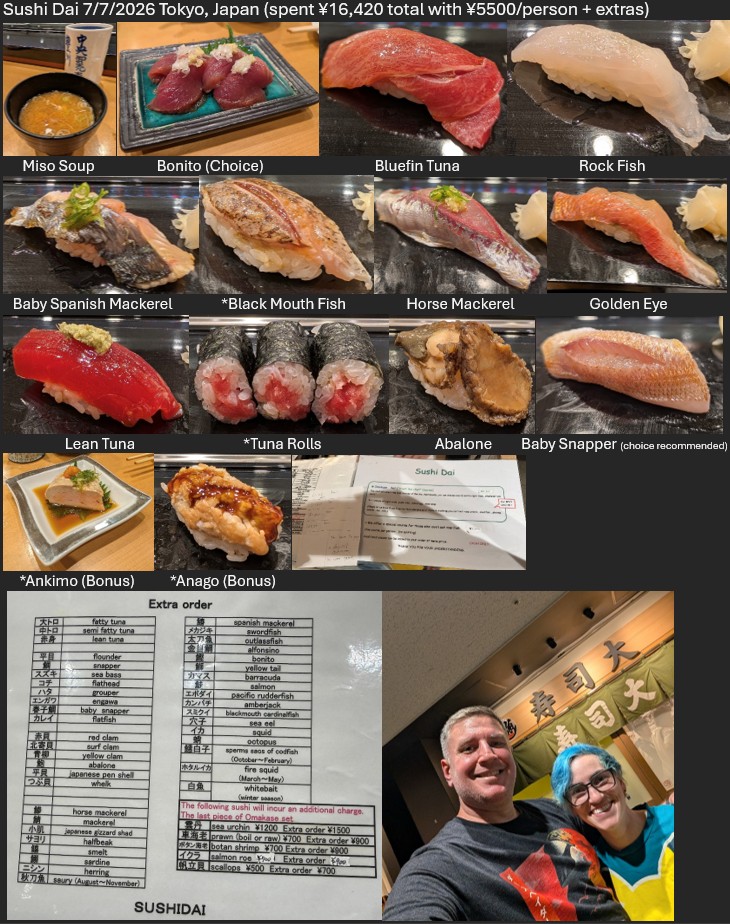
Sushi Dai (Toyosu)
Cost: ¥5,900/person for 8+1 pieces of nigiri, sushi rolls, tamago, miso soup
Favorites
- Ankimo
- Anago
- Black mouth fish
- Tuna rolls
Reservations are taken at 5AM for multiple seatings (6/7:30/9/10:20/11:40) but people will line up starting around 4AM. We arrived at 4:16AM and were 4th in line. Very talkative and smiling chefs. Each of the sushi chefs served 3-5 guests at a time. You can order any additional fish you want (if they still have it). Fish runs out towards the end of the day if you have a later reservation.
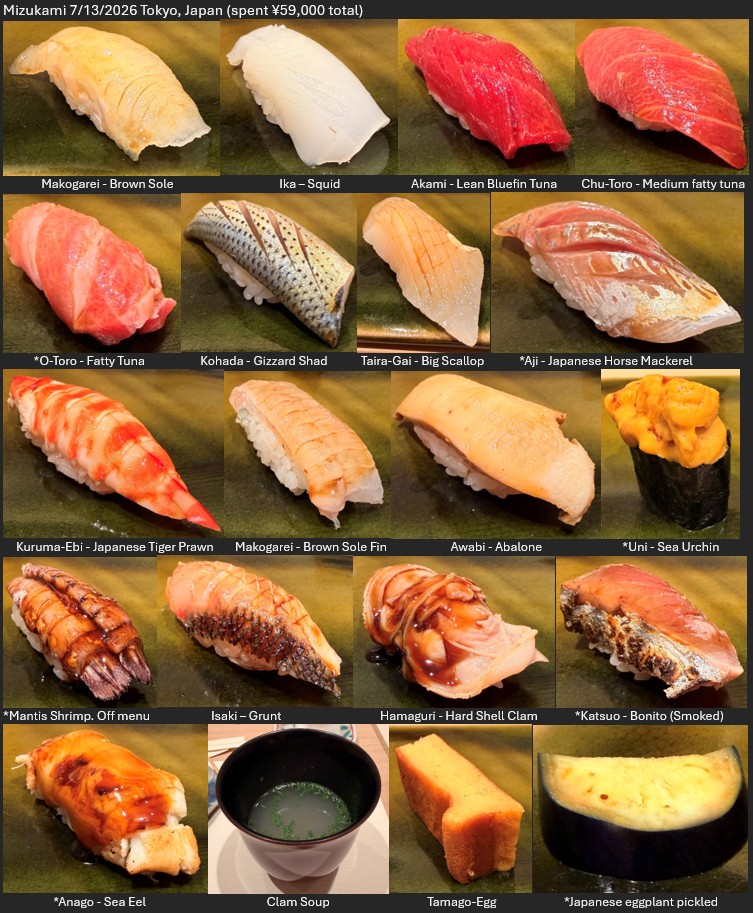
Sushi Mizukami
Cost: ¥29,000/person for 17 nigiri, miso, tamago, and eggplant
Favorites
- Medium fatty tuna
- Horse mackerel
- Bonito
- Uni
- Sea eel
- Mantis shrimp
Kindly let us take photos. Very vinegared rice. Very delicious and nicely prepared sushi. Pieces were served promptly and it took ~60 minutes for the 20 course omakase
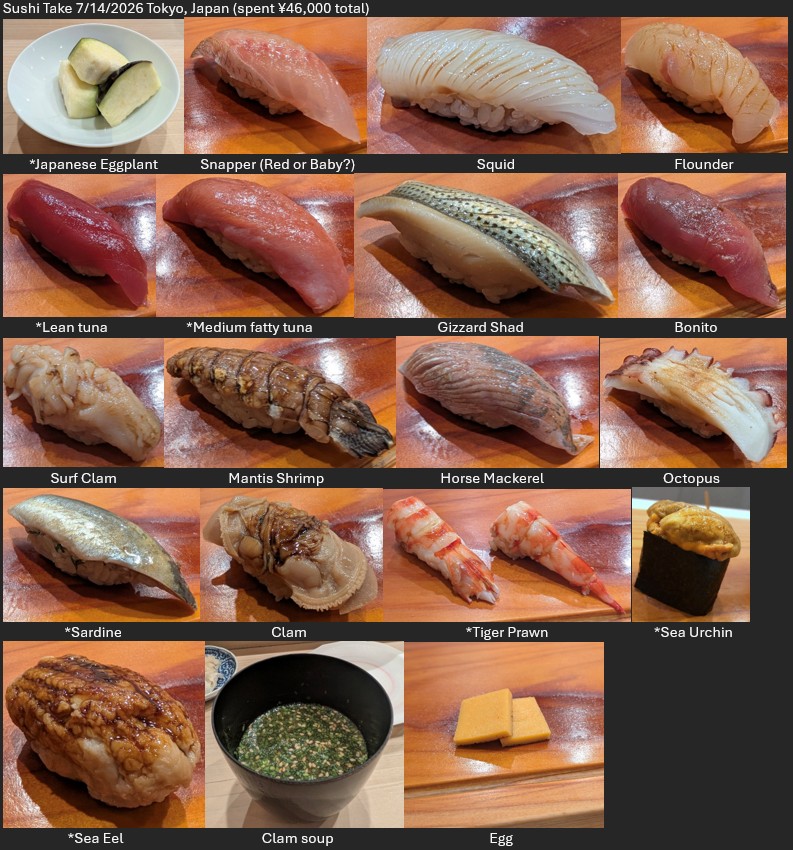
Sushi Take
Cost: ¥23,000/person for 16 nigiri, clam soup, tamago, and cold eggplant
Favorites
- Female sushi chef
Female sushi chef. Kindly let us take photos. Slower service. More Izakaya feel. Fish quality inconsistent. Card machine not working – cash only. Overrated. Would not return. Took ~70 minutes for the 19-course omakase
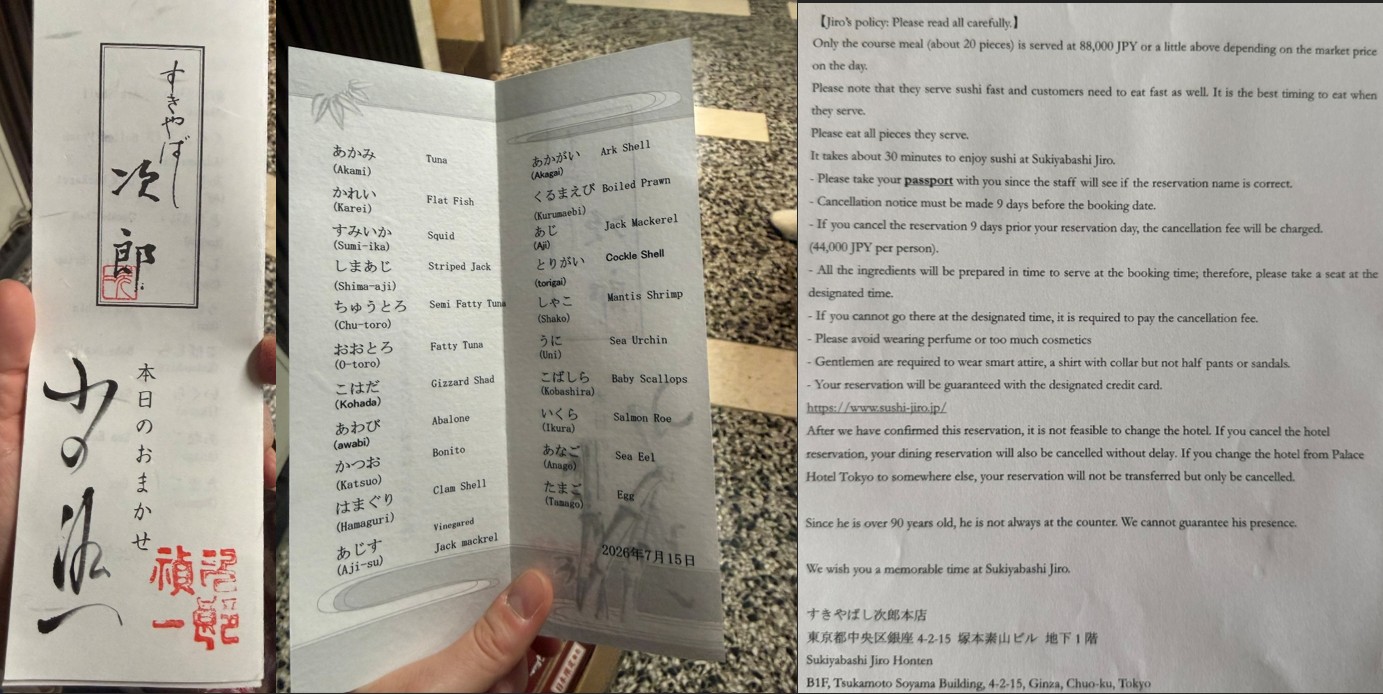
Sushi Jiro
Cost: ¥88,000/person for 20 course omakase
Experience
Not allowed to take photos. Foreign guests can only make a reservation through high-end Tokyo hotels. They stamp the menu of the day for you to take with you. Fish was excellent. Rice wasn’t as flavorful as it was a year ago. 2 of the pieces were overpowered by wasabi. The anago still had large bones. Rice was inconsistent. We were the only 2 guests (out of 7 total in our seating) not being served by the head sushi chef Yoshikazu Ono. He did not greet or acknowledge us in any way. ~40 minutes for the 20 course omakase
Other Restaurants and Food in Tokyo
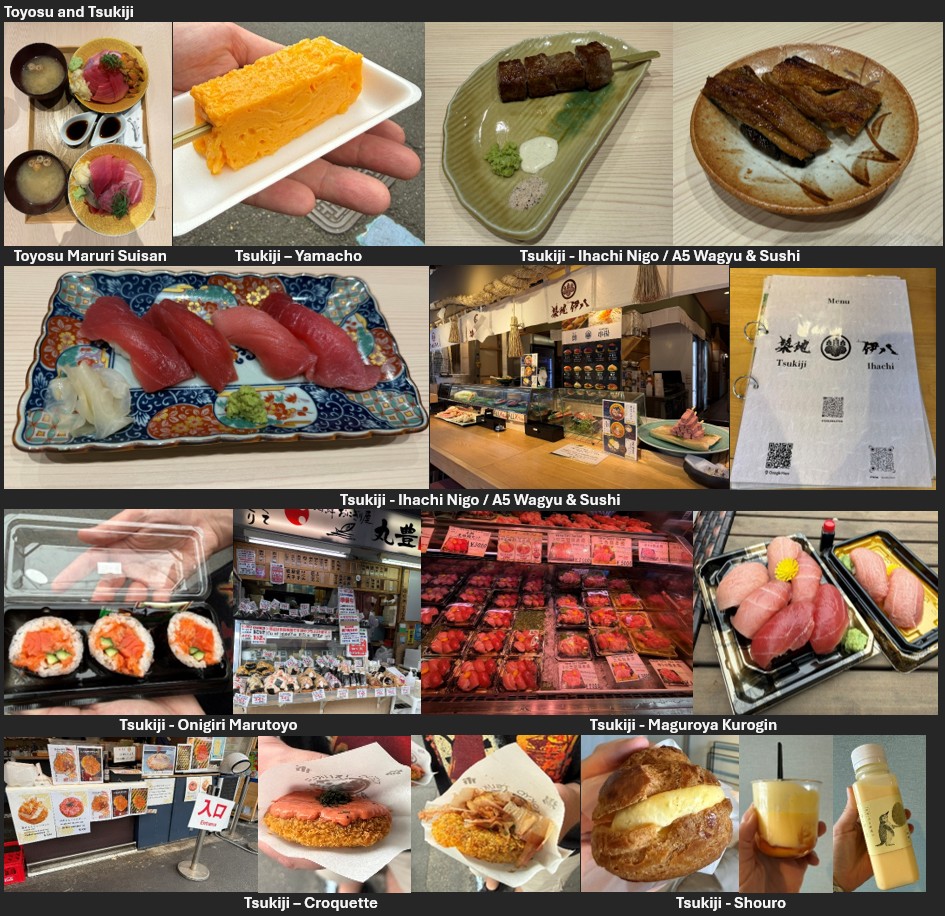
Toyosu – Maruri Suisan
- Seafood Donburi restaurant Opens 9:30AM – 8PM
- Got 5 kinds of tuna bowl
- Tuna and uni bowl
- ¥12,200
- Good but not great
- Spendy for what it is
Tsukiji – Yamacho
- Egg on a stick
- ¥150
Tsukiji – Ihachi Nigo / A5 Wagyu & Sushi
- Nigiri- lean tuna, medium fatty tuna, eel, regular a5 skewer, lemon sour
- ¥9975
- Decent but still overpriced
Tsukiji – Onigiri Marutoyo
- Onigiri salmon belly
- Tuna roll (Jon loved this)
- Salmon roll (Rachel loved this)
- ¥1233
Tsukiji – Maguroya Kurogin
- 3 types of tuna
- Special tuna 2 pieces
- Good but not best ever
- ¥4600
Tsukiji – Croquette
- Mentaiko Monja Croquette
- Bonito croquette
- ¥1000
- Not my favorite but okay
Tsukiji – Shouro
- Cream puff
- Pudding
- Milkshake
- ¥1400
- So good!
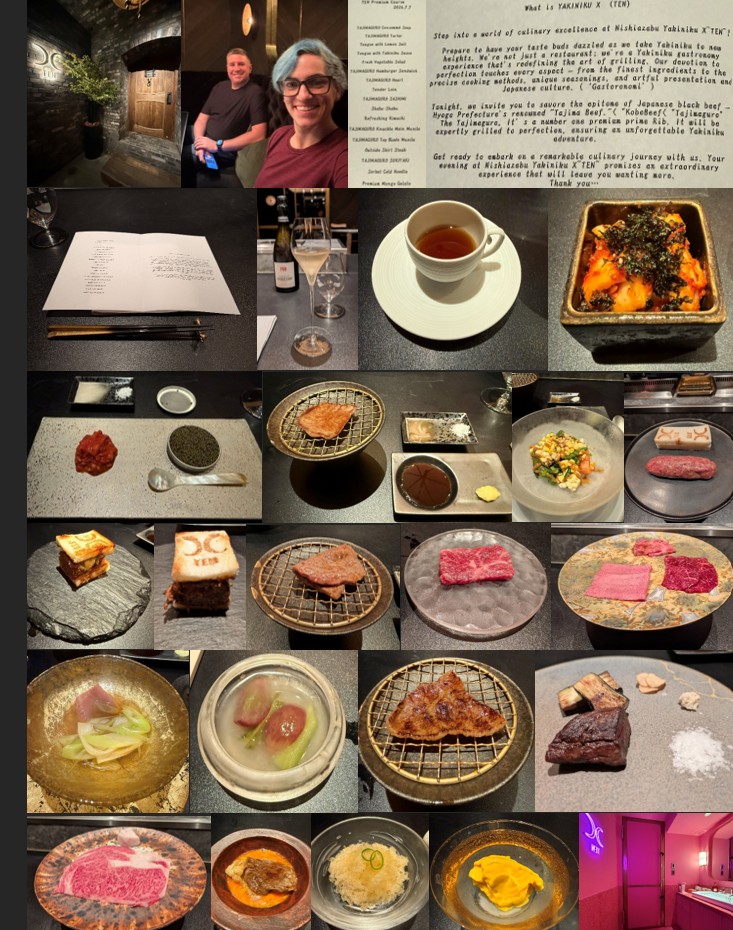
Minato-Ku – Nishiazabu Yakiniku X TEN
- ¥138,666 with advanced reservation for the Premium course (49,500 each)
- Very pricey, not worth the price
- Additional alcohol pairing not worth the price
- Disconcerting to eat while personal chef is preparing food/in the room watching
- Secret entrance is corny but fun
- LOVED the refreshing kimchi, and the two way tajimaguro tartar
- The sorbet cold noodle was a big miss
- The tongue was delicious and had a very soft easy to eat texture
- Shabu shabu was not my favorite
- Meal was too long (about 2 hours)
- The bathrooms are color-themed
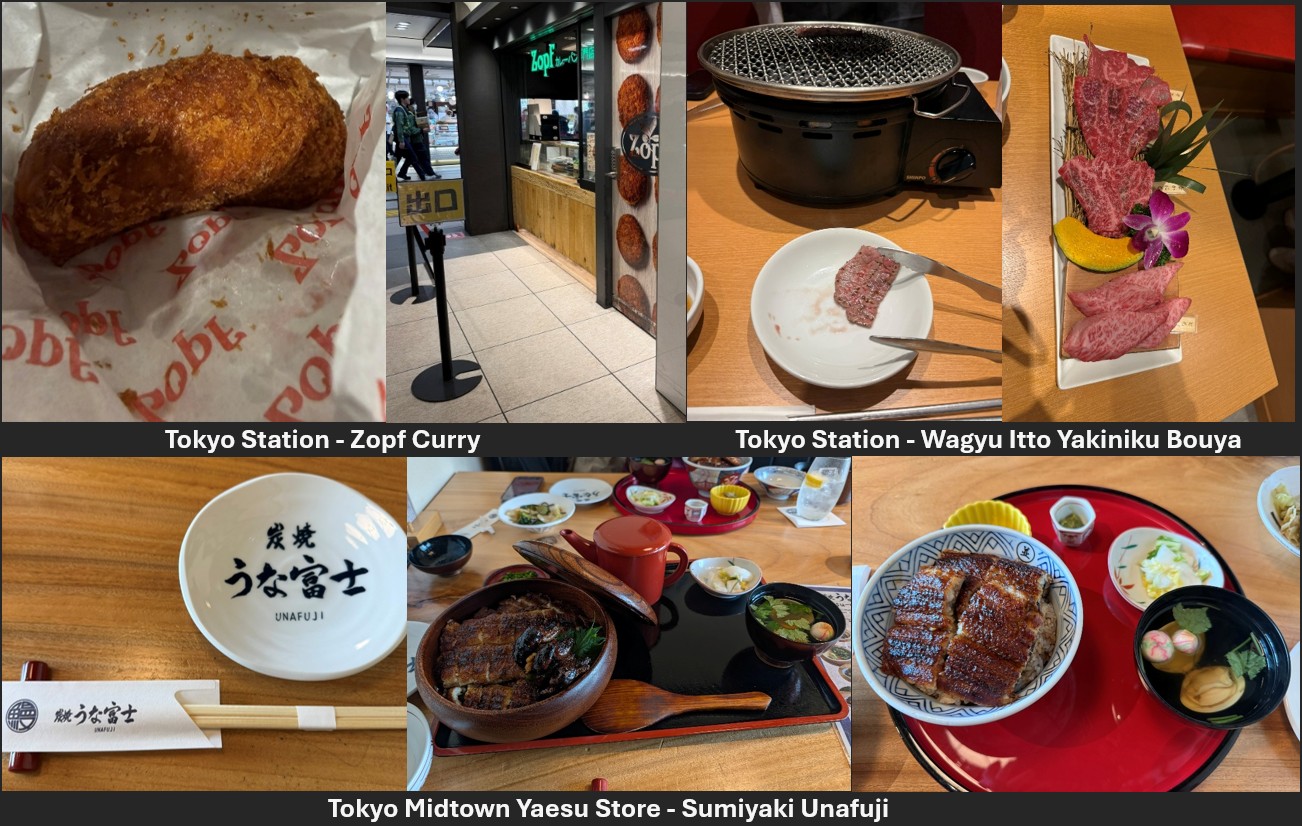
Tokyo Station – Zopf Curry
- ¥779 for 2
- Very delicious, very hot!
- Recommend trying if you can find the stand
Tokyo Station – Wagyu Itto Yakiniku Bouya
- ¥6580
- Very delicious, best wagyu of the trip
- Not busy and easy to get a table if you can find the location inside the station
Tokyo Midtown Yaesu Store – Sumiyaki Unafuji
- Reservation for table made in advance
- Best unagi of the trip, well worth making a reservation or trying to walk in
- We wanted to get more and go again but we ran out of time
- ¥16,580
Other Restaurants and Food in Hokkaido
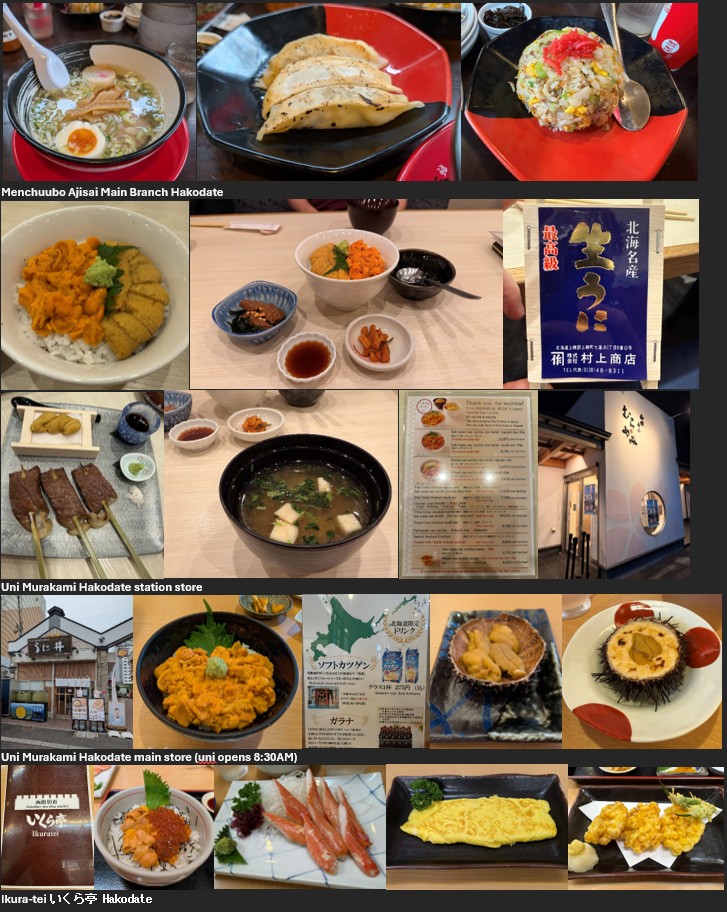
Menchuubo Ajisai Main Branch
- Ajisaji ramen 2/3, special salt ramen
- 3 dumplings
- Fried rice
- Calpis
- Highball
- ¥2870
- Good ramen but not my favorite
Uni Murakami Hakodate station store
- ¥17,710
- Mixed uni bowl
- Uni and Wagyu
- Plum drink with soda
- Best uni (the saltwater uni)
Ikura-tei いくら亭
- Tamagoyaki egg omelette
- Crab
- Uni and ikura don
- ¥6900
- Decent but not my favorite
Uni Murakami Hakodate main store (uni opens 8:30AM)
- Lined up at 8:05 but only 2 people ahead of us in walk-up line
- ¥18,205
- Had to get more of this uni since it was sooooo good.
- The uni gratin was my favorite
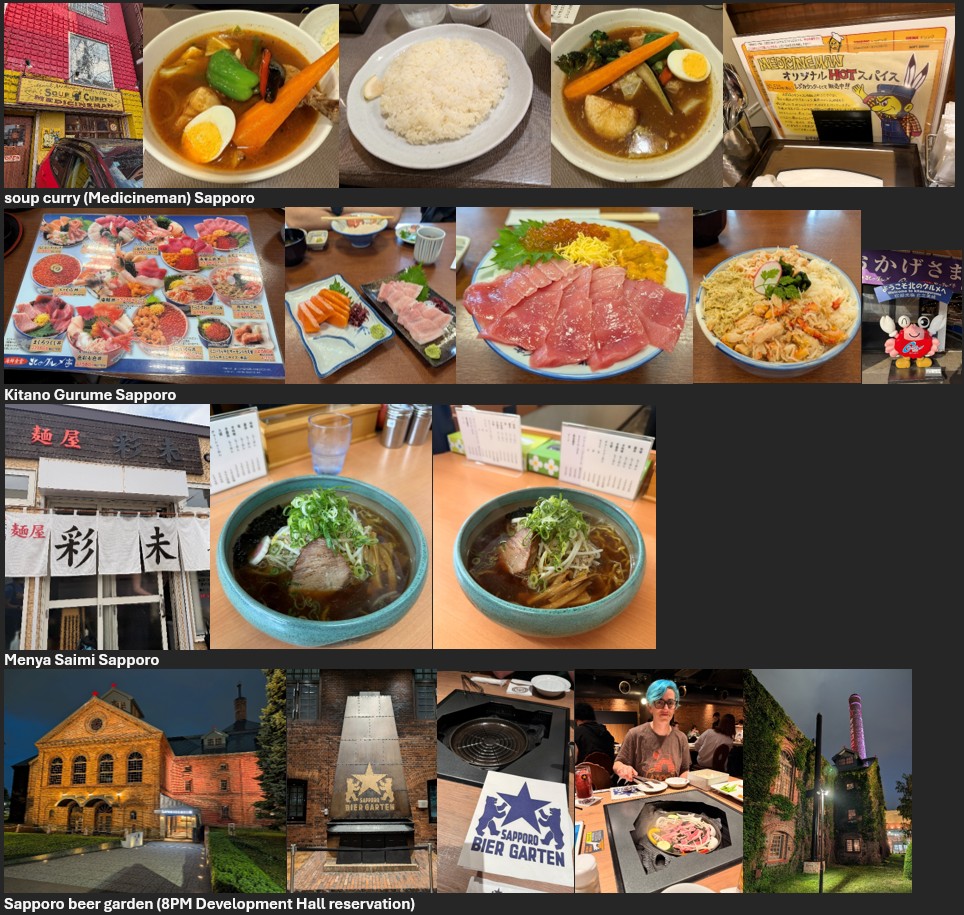
soup curry (Medicineman)
- Chicken soup curry with added cheese
- Pork belly curry with added broccoli
- Beer
- Matcha lassi
- Rice
- ¥4500
- Very good soup curry, highly recommend, super flavorful
- Cash only
Kitano Gurume
- Uni bowl + ikura don
- 2 types of crab Don
- ¥10,880
- Not as good as previous uni
Menya Saimi
- Miso ramen
- Soy ramen
- Waited in line outside for 30 minutes
- Arrived 1:45PM
- ¥2000
- Worth the wait, best ramen ever!! Have to wait in the sun though, recommend arriving early perhaps?
Sapporo beer garden (8PM Development Hall reservation)
- all you can eat: The Kaitakushi Museum’s “Top Recommendation”: King Viking (120 minutes)
- Standard all-you-can-drink
- Worst meal experience
- They said we had until 8:40 to order and 9PM to be in the restaurant (wasn’t stated when we made the reservation)
- Were rushed through the experience and service was not great
- Mutton was delicious if not too chewy and pieces too large (order scissors next time)
- ¥12,590
Ice Cream & Desserts
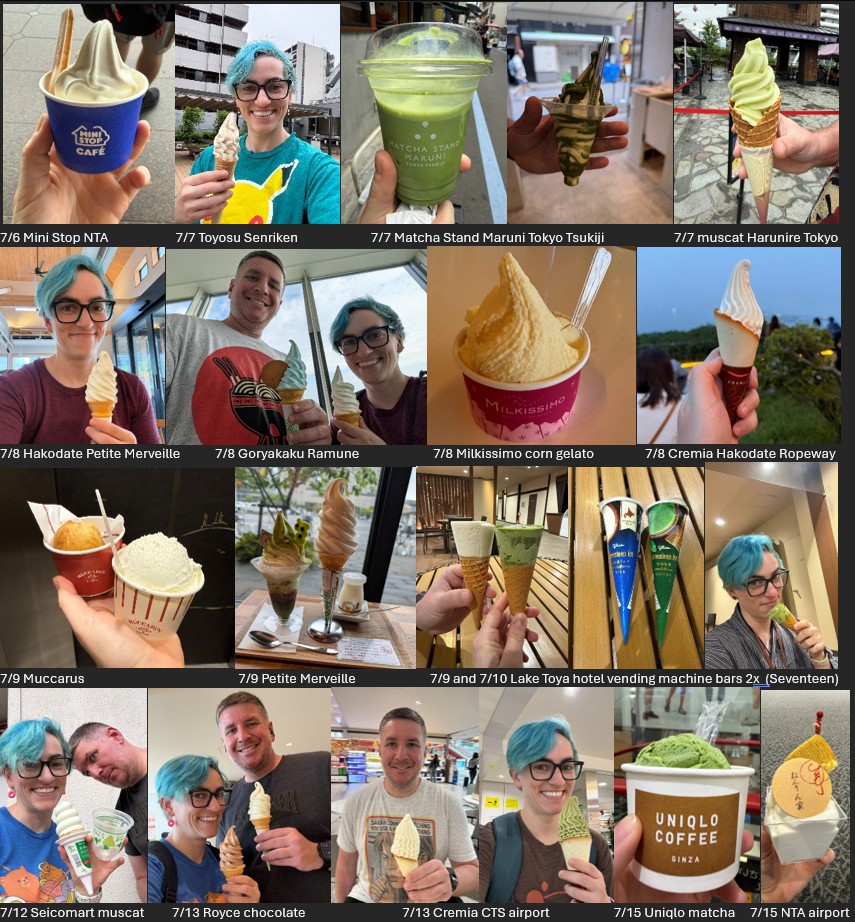
Best ice cream: Cremia Hokkaido milk ice cream
Worst ice cream: Coolish from the Konbini
Shopping and Souvenirs
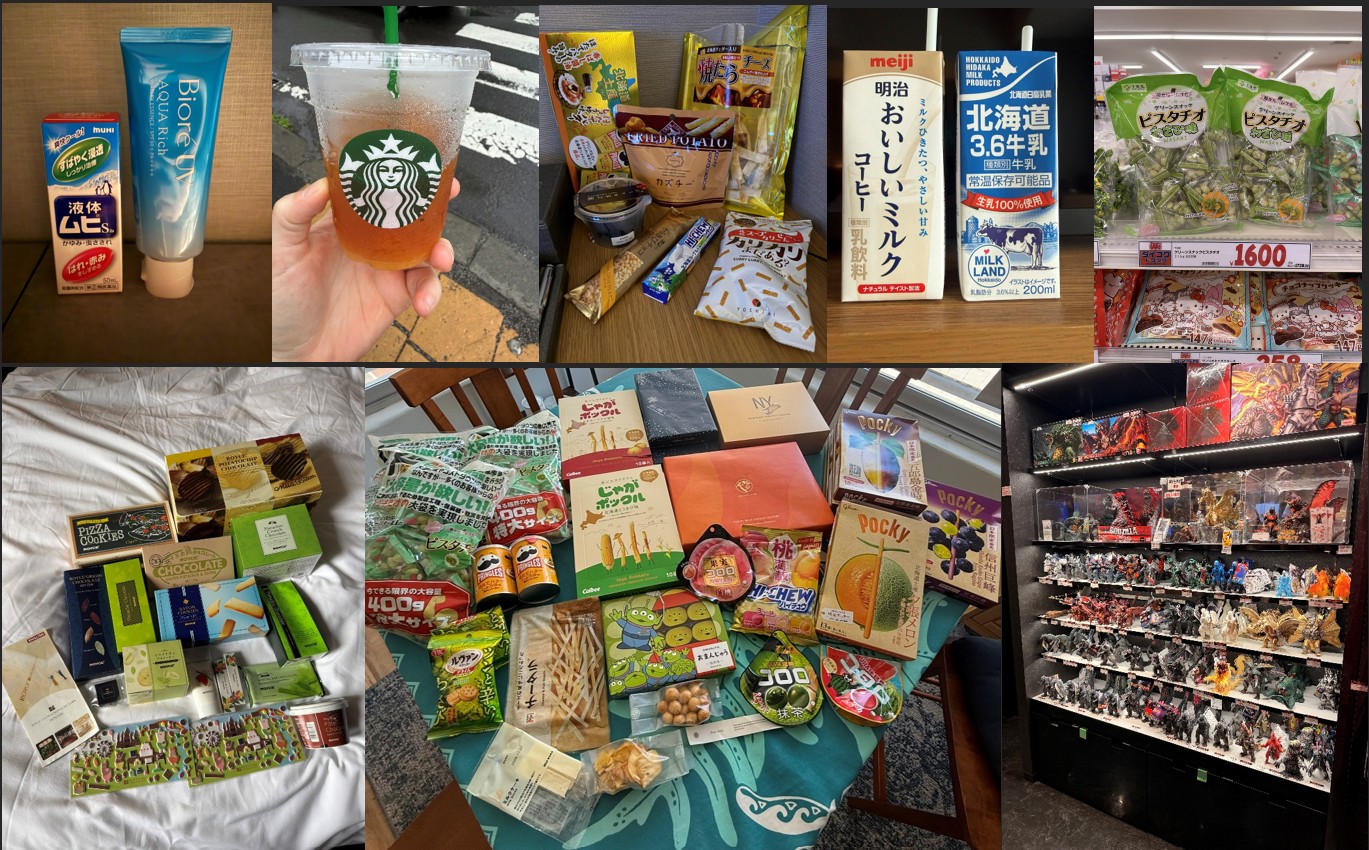
Love it and need some more of it:
- Biore UV sunscreen
- Anti-itch roll on
- Feet wraps
- New York Perfect Cheese
- Pista & Tokyo Pistachio Sand
- Tokyo Milk Cheese Factory Cookies
- Sweet Potato Pocky
- Wasabi pistachios
- Royce chocolates
- Nama Au Laut, Matcha
- Milk Chocolate potato chips
- Pizza cookies
- Pistache chocolat
- Pate chocolate
- Cheese and fish sheets
- Calbee potato sticks
- Hokkaido milk
- Meiji yogurt drink
- Black Sesame Kurogoma cubes
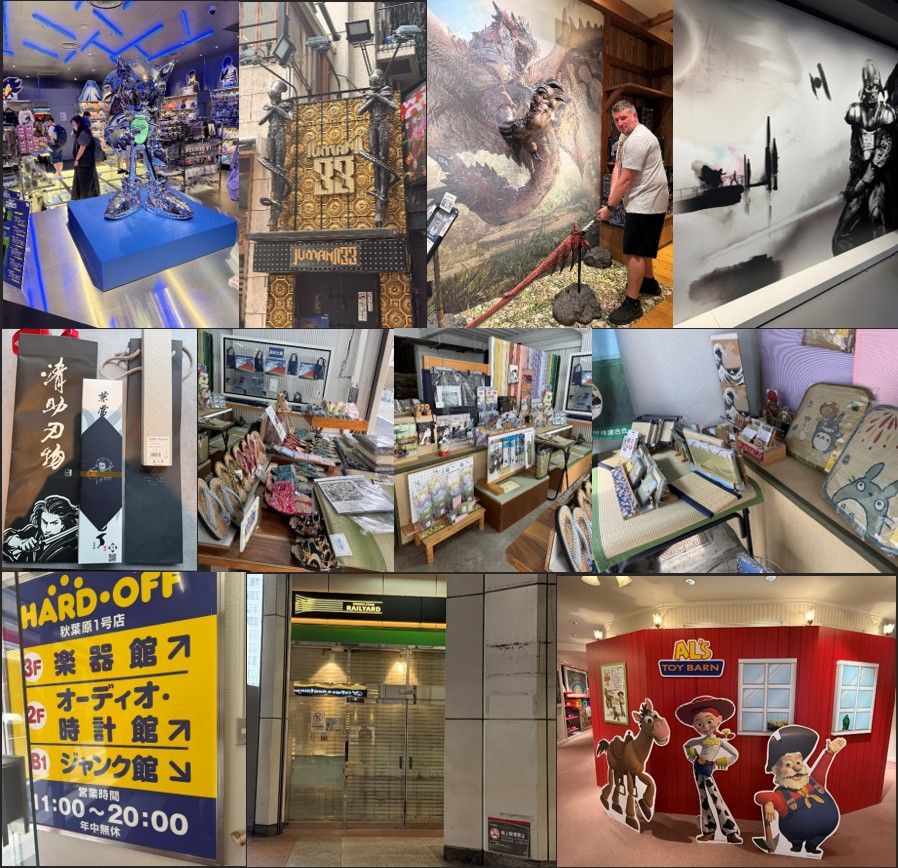
Souvenirs I will cherish:
- Onitsuka Tiger shoes
- Tsukiji Market knife/scissors
- Starbucks Sapporo mug
- Personal pocket fan
- Tatami mat products
- Pikachu plush (Tokyo Station is my favorite)
- Loft Pikachu exclusive pens
- Chopsticks
- Train ring
It was really fun to hunt for something specific and then to actually find it! We weren’t able to find everything on the list, but we were able to get most everything we wanted. If we were to go back (for a third time!) we would get more of the Love It list. Some of the products you can find in the US, but some we have yet to find outside of Japan (like sweet potato pocky, the biore UV, wasabi pistachios, Pista & Tokyo, and some of the other snacks and goodies. Some of them you can find outside of Japan but for a premium price (Royce).
Attractions
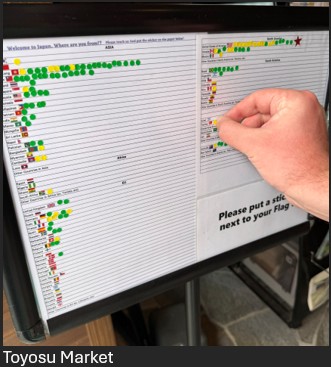
We spent less time booking activities and more time exploring Hokkaido and wandering around Tokyo in search of specific items. The trip felt more relaxed and less stressful because we weren’t constantly worried about making it to our next reservation. At the same time, some days ended up feeling like they revolved around eating and shopping. Overall, I enjoy having fewer reservations and the freedom to explore a city, but I also like having a sense of purpose each day.
We didn’t spend as much time at Toyosu Market or Tsukiji Market as I expected, about half a day between the two. We skipped the tuna auction and instead spent most of our time weaving through Tsukiji, hunting down specific market stalls and browsing all of the knife shops. It’s hard not to say yes to every snack and meal you see, so it’s worth deciding ahead of time which places you want to prioritize.
I agree with what people say online that the markets are generally overpriced, but there are still some great finds. You won’t love everything you eat, and not everything feels like a good value, but I also wouldn’t call either market a tourist trap.
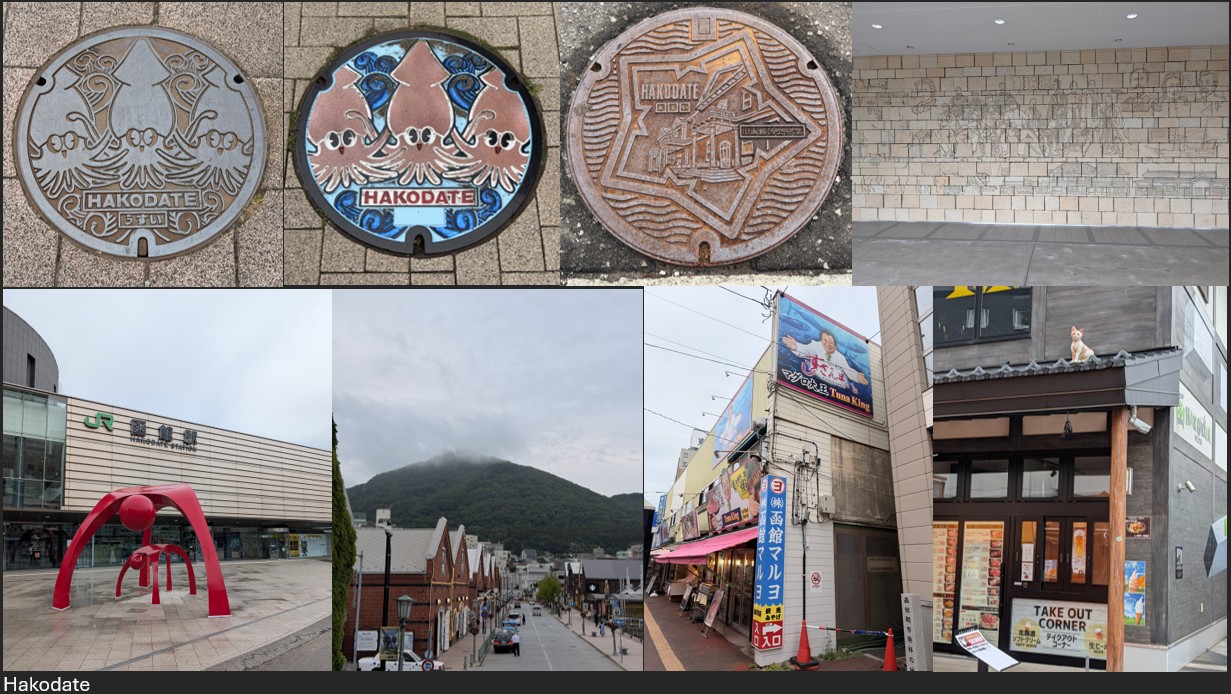
We only spent one night in Hakodate, and for us, that was enough. There were definitely things we enjoyed, but not enough to justify a longer stay if you’re short on time.
Our hotel wasn’t particularly memorable. It was smaller than many of the other hotels we stayed in, had a modest onsen, and wasn’t the kind of place that made us want to spend extra time relaxing there. It served its purpose as a comfortable place to sleep.
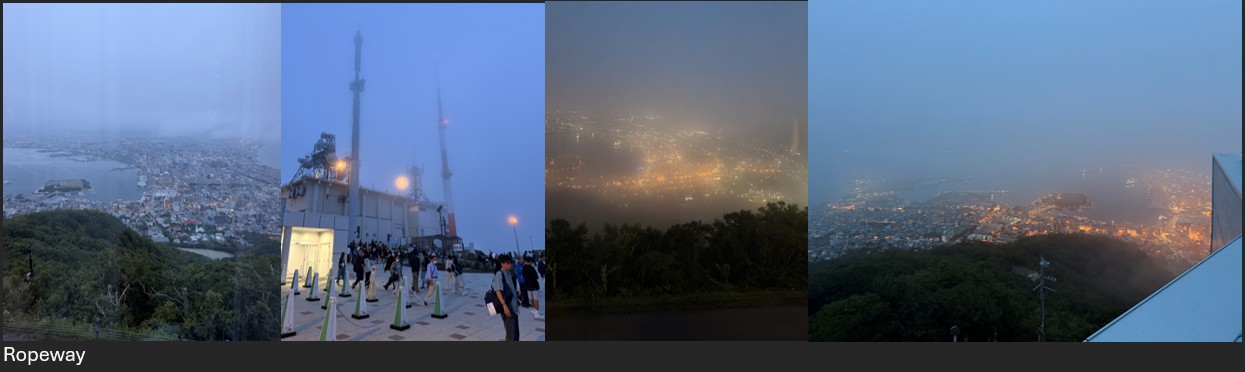
Hakodate’s two biggest attractions, the Fort and the Ropeway, were enjoyable, but I don’t think they’re worth planning an entire trip around. The weather wasn’t ideal during our visit, and the Ropeway was surprisingly crowded for a relatively small city. It seemed like everyone had the same idea that evening regardless of fog, so the experience felt more hectic than scenic.
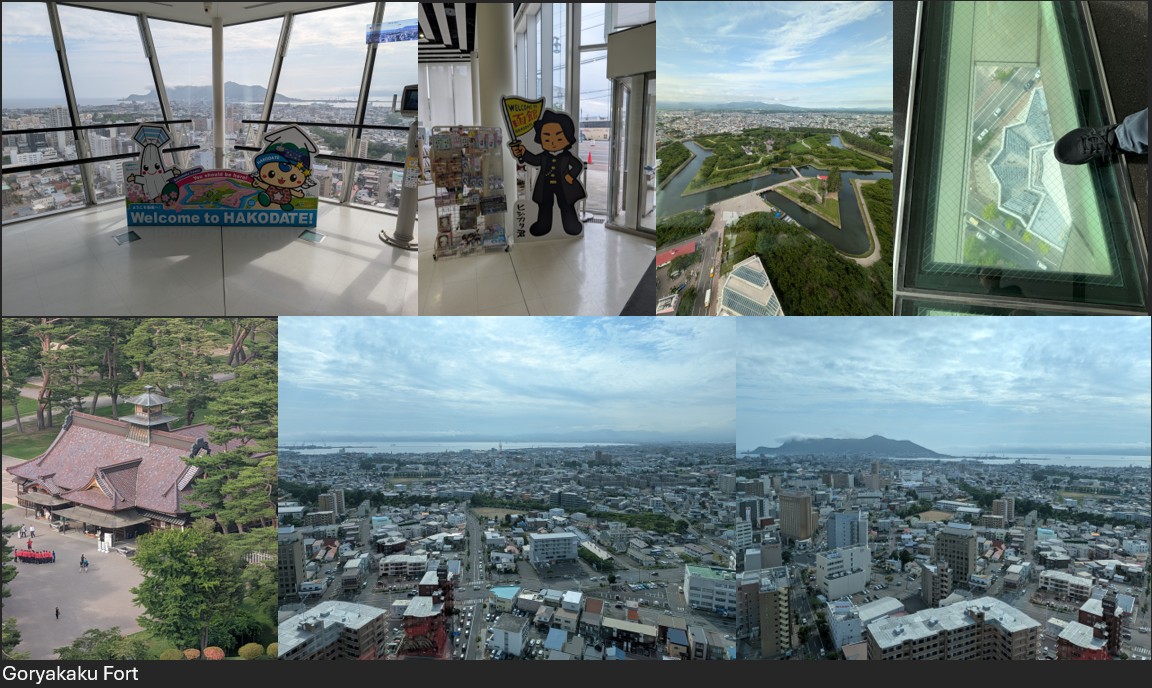
The Fort was the highlight of the sightseeing for me because I love a good tower and you could see the entire town from the top. If you enjoy taking your time exploring parks and historical sites, you could easily spend longer there than we did.
The Morning Market was probably my biggest disappointment. After visiting markets in Tokyo, Osaka, and even Kanazawa, it just didn’t compare. Likewise, the Red Brick Warehouse shopping area felt similar to shopping districts we’ve visited in other cities and didn’t stand out as particularly unique (although the black sesame cubes we stumbled upon were so memorable we bought an entire box online to bring back with us)
One thing we were disappointed to miss was Lucky Pierrot, Hakodate’s famous local fast-food chain. The wait was much longer than we expected, and we didn’t have enough time before our train to fit it into our schedule.
Without a doubt, the best part of our stay was the food. We took full advantage of Hokkaido’s incredible dairy products and desserts, but the standout experience was the saltwater uni at Uni Murakami Hakodate. It was some of the best uni I’ve ever had.
If you asked me whether Hakodate is worth visiting, my answer would be yes but only if you go to Uni Murakami Hakodate. I genuinely think the uni alone makes an overnight stay or day trip worthwhile. Everything else is a nice bonus if you don’t mind the crowds and have realistic expectations.
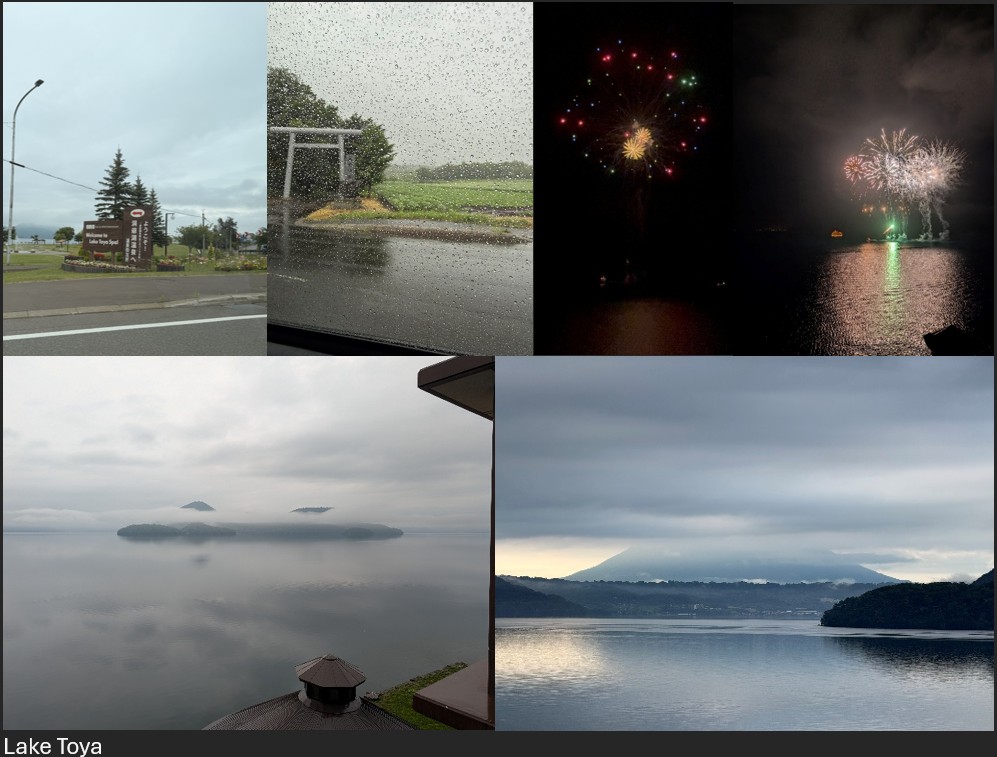
If price were not a factor, I would absolutely recommend spending at least two nights, if not longer, at Lake Toya. It was one of the highlights of our trip.
Even though it rained for almost our entire stay, the resort was incredible. Every evening featured fireworks over the lake, and the hotel offered an impressive breakfast buffet, dinner buffet, an arcade for kids, a private porch onsen, a public onsen, access to the neighboring hotel’s onsen, a spa, and plenty of other amenities. Even the ice cream from the vending machine was surprisingly delicious.
We easily could have stayed another night without getting bored. With an extra day, we would have loved to take a boat to Nakajima Island, go canoeing on the lake, or visit the nearby amusement park.
This weekend getaway ended up being the best two nights of our entire trip. If your budget allows, I highly recommend Lake Toya.
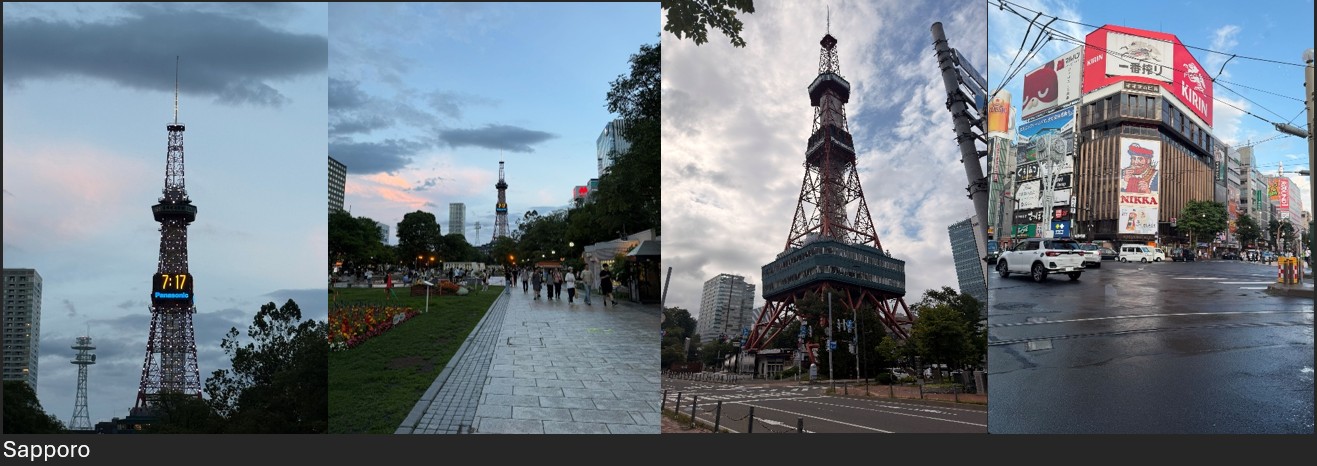
This trip, Sapporo felt a lot like Osaka did on our last trip to Japan. It was a city we probably could have skipped, with one major exception: the Royce Factory and New Chitose Airport.
We planned two nights in Sapporo, and I think that was the perfect amount of time. We did not feel like we needed any longer to explore the city. Our hotel was also more expensive than I expected for what it offered. The city was busy, crowded, and reminded us too much of Tokyo. Everywhere we went seemed to involve waiting in another line. Combined with the summer heat, it made sightseeing feel more exhausting than enjoyable.
We tried to visit the Pokémon Center, but it was so packed that the checkout line stretched across the entire store. It was difficult to move around, let alone browse everything they had for sale. It left us wondering why we would spend extra time in another large city when we were already visiting Tokyo.
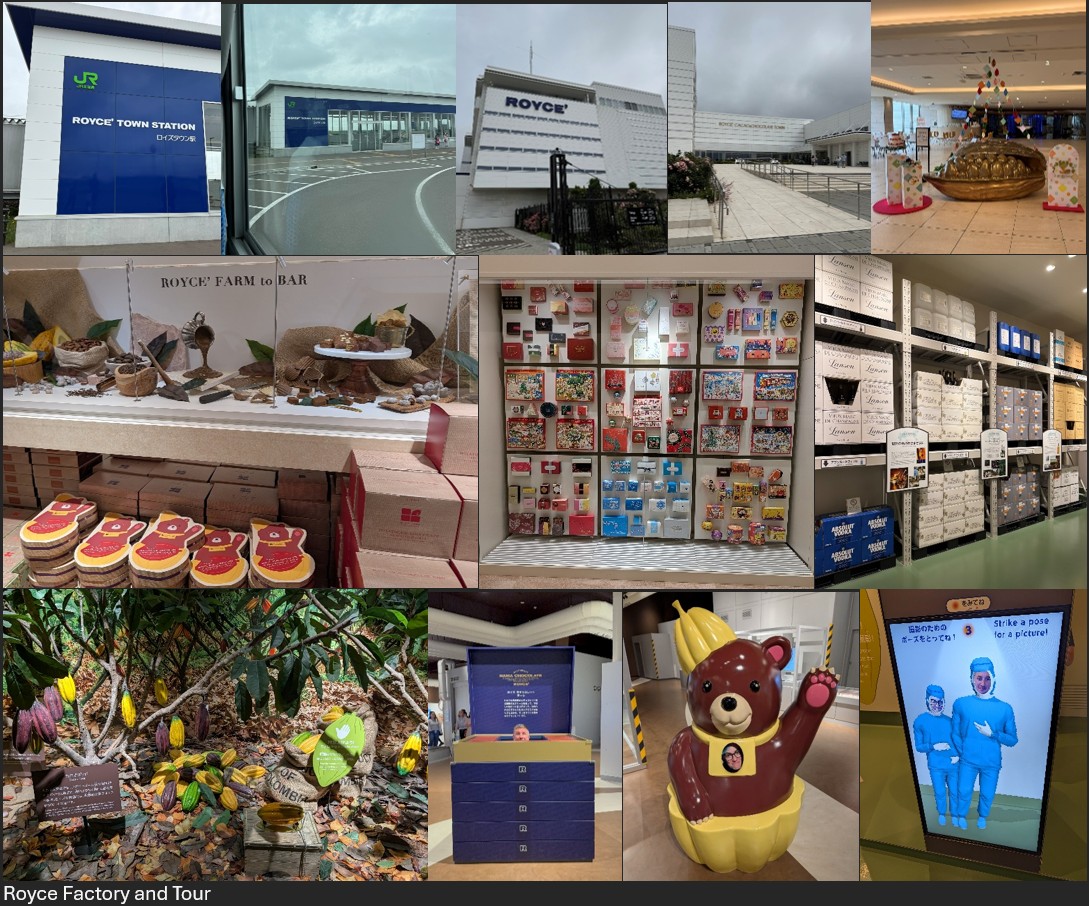
That said, the Royce Factory made the entire Sapporo portion of our trip worthwhile. It was one of our favorite stops in Hokkaido and something I would absolutely recommend.
New Chitose Airport was another pleasant surprise. If we had not been catching a mid morning flight, we easily could have spent an entire day eating and shopping there. Between the restaurants, souvenir shops, and local food specialties, it felt like a destination in its own right.
Even though Sapporo was not one of our favorite stops, I would not rule out visiting again. I think the experience would be very different in the spring during cherry blossom season or in the winter, when the city hosts snow festivals and offers a variety of seasonal activities that sound incredible.
Transportation
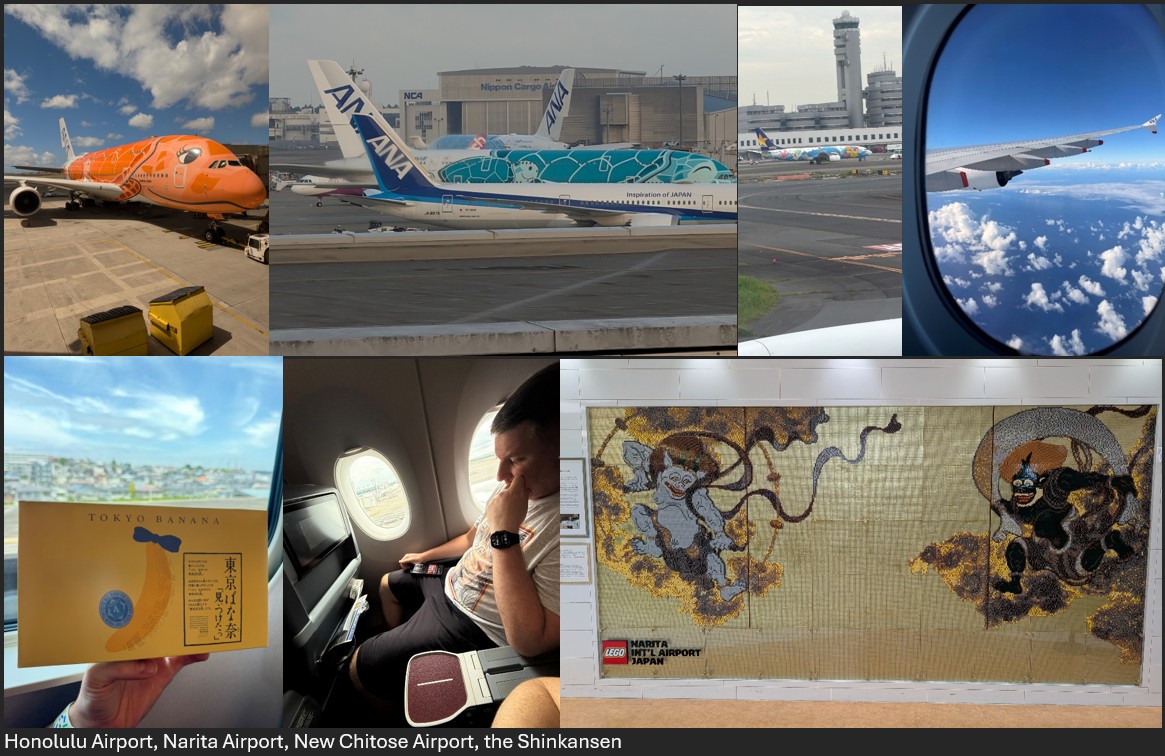
Transportation throughout Japan was reliable, comfortable, and much less stressful than in the USA, but there were a few lessons we learned along the way.
Narita Airport takes longer than you think. Even though our flight landed on time at 3:00 PM, we were some of the last people off the plane and spent about an hour in the customs line, despite signs estimating only 20 to 40 minutes. If you’re arriving in the afternoon, leave yourself plenty of buffer before planning anything else. Also – plan to carry everything you brought onto the plane with you for 20-60 minutes in a less than ideal air-conditioned room with a bunch of other tired travelers!
Complete Visit Japan Web before you leave home. Having the QR code ready saved time and avoided the hassle of filling out forms after a long flight. You’ll use it multiple times during the arrival process, so keep it easily accessible on your phone. Also, bring a portable fan if you’re traveling in the summer because the customs area was warm and stuffy.
Airport buses are an underrated option. We expected to take a more expensive airport transfer, but instead found a limousine bus for ¥2,000 for two people. We waited less than 30 minutes, transferred once at Toyosu Station, and it ended up being an inexpensive and easy way to reach our hotel. No taxi or busy station on the first day necessary.
The Shinkansen lived up to the hype yet again. The trains were comfortable, spacious, and always departed on time. The long ride from Tokyo to Hakodate went by much faster than expected, and watching the scenery change made the journey feel like part of the vacation instead of just transportation.
Do not wait until the last minute to pick up train tickets. Some JR tickets needed to be picked up before the day of travel using the reservation QR code or pickup code. We also had to link our IC card to one reservation before going through the ticket gate. Double check the instructions when booking because they are not always the same.
Sometimes a taxi is worth it. We usually relied on public transportation, but taking a taxi from Toya Station to Lake Toya was well worth the cost. It saved time, avoided hauling luggage, and made getting to the resort much easier.
Domestic flights in Japan exceeded our expectations. Our Japan Airlines flight from Sapporo to Tokyo was one of the best domestic flights we’ve taken. The Class J seats were comfortable, baggage allowances were generous with both carry on and checked bags included, and the overall experience felt noticeably better than many domestic flights in the United States. My 6’2″ boyfriend was worried about leg room, but even he was impressed when his knees could breathe.
We noted that our domestic flight was cheaper than our shinkansen tickets…
Gifts
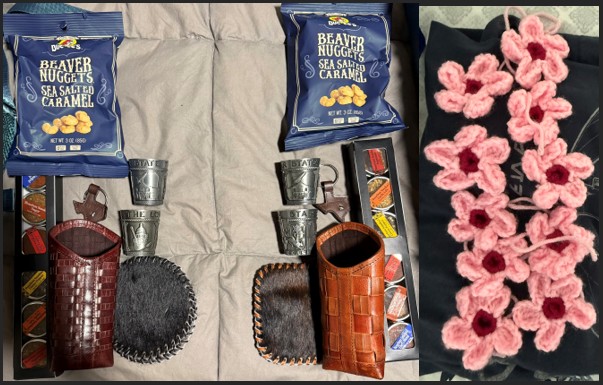
One of my favorite parts of this trip was bringing small handmade gifts to thank people who made our experience special.
Before we left, I crocheted cherry blossom flowers to give away whenever someone went above and beyond. We also brought gifts for the wonderful concierges who helped secure our premium restaurant reservations in Tokyo. They were incredibly helpful throughout our stay and even tracked down a tatami shop that was open during the week so I could visit.
Japan generally has a no tipping culture, so I thought a small handmade gift was a thoughtful way to show appreciation without making anyone uncomfortable. The flowers became a fun way to thank people throughout the trip.
We gave one to our taxi driver in Hakodate, who turned what should have been a simple 20-minute ride into a personal informational tour guide of the city on our way to the Fort. We also gave one to our sushi chef at Sushi Dai. After thanking us, he immediately placed it on a shelf overlooking the restaurant. If you happen to stop by, check if it’s still there!
The gifts were small, but they created some of my favorite memories from the trip. It was a simple way to express our gratitude, and seeing people’s genuine reactions made the time I spent making them completely worthwhile. If you’re visiting Japan and want to thank someone, a small souvenir or handmade gift can be a meaningful alternative to tipping.
Packing
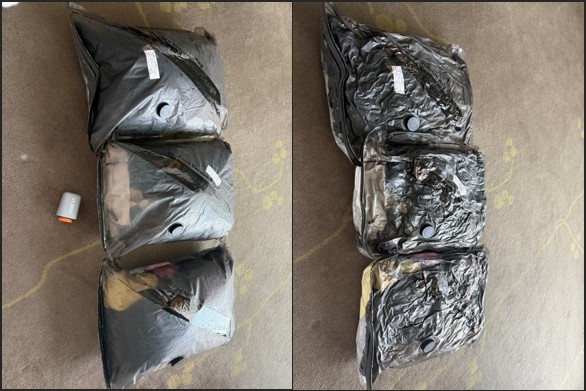
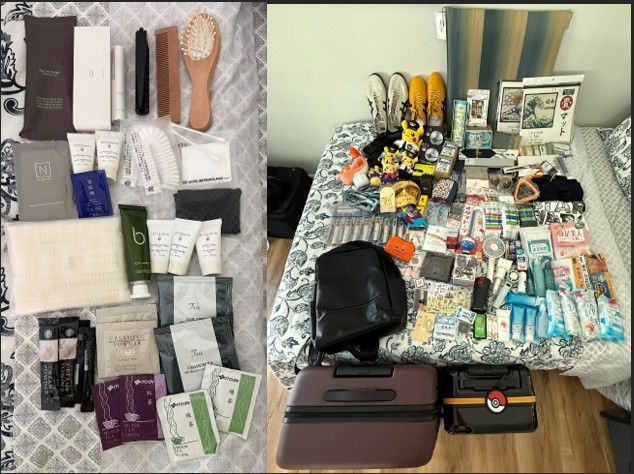
After this trip, we had a much better idea of what was actually useful to bring and what we could have left at home.
Things We Packed That Were Very Useful
- Cash in yen
Japan is becoming more card friendly, but cash is still very useful, especially for smaller restaurants, markets, temples, and shops. - Clothes compression bags
These were incredibly helpful for maximizing luggage space, especially as we collected souvenirs and needed room for everything coming home. - Small gifts
Since Japan generally has a no tipping culture, bringing small gifts was a meaningful way to show appreciation to people who helped make our trip special. - Passport waist pouch
This gave us peace of mind while traveling, especially during airport transfers and crowded train rides. - Hand sanitizer spray
This was convenient to have while traveling, especially when eating at markets or grabbing snacks throughout the day.
Things We Forgot to Bring or Intentionally Didn’t Pack
- Coin purse
We ended up collecting a lot of coins, and having a small dedicated coin pouch would have been much more convenient. - Personal fan
We traveled during a very hot and humid time of year, and a small portable fan would have been useful, especially while waiting in lines or walking outside. - A return suitcase or extra travel bag
We had a free checked bag allowance available and could have packed an empty suitcase from home but instead decided to buy luggage in Japan. If you want to save money, bringing an extra suitcase or using the “IKEA checked bag hack” is a practical option for bringing souvenirs home. - Hand wipes or a small towel
These would have been useful for cleaning up after snacks, meals, or for drying hands in restrooms without dryers.
Things We Packed but Did Not Need
- Toothbrush and toothpaste
These were easy to find, and many hotels provide basic toiletries. - Comb
We never ended up needing it. - Shoe balls
These took up space and were unnecessary. - Umbrella
We brought one but rarely used it. We often forgot to take it with us when leaving the hotel, and when we did have it, it could be bulky on crowded streets or difficult to use when it was windy. If you are trying to save space, I would recommend leaving it behind, borrowing one from your hotel when needed, or purchasing a UV umbrella in Japan that can serve multiple purposes. - Luggage scale
We never needed it. Since we divided our belongings between backpacks and later suitcases, we stayed under the weight limits without any issues.
For a more detailed packing guide, check out my previous Japan trip notes, which include more specific recommendations and lessons learned.
Cost Summary and Final Thoughts
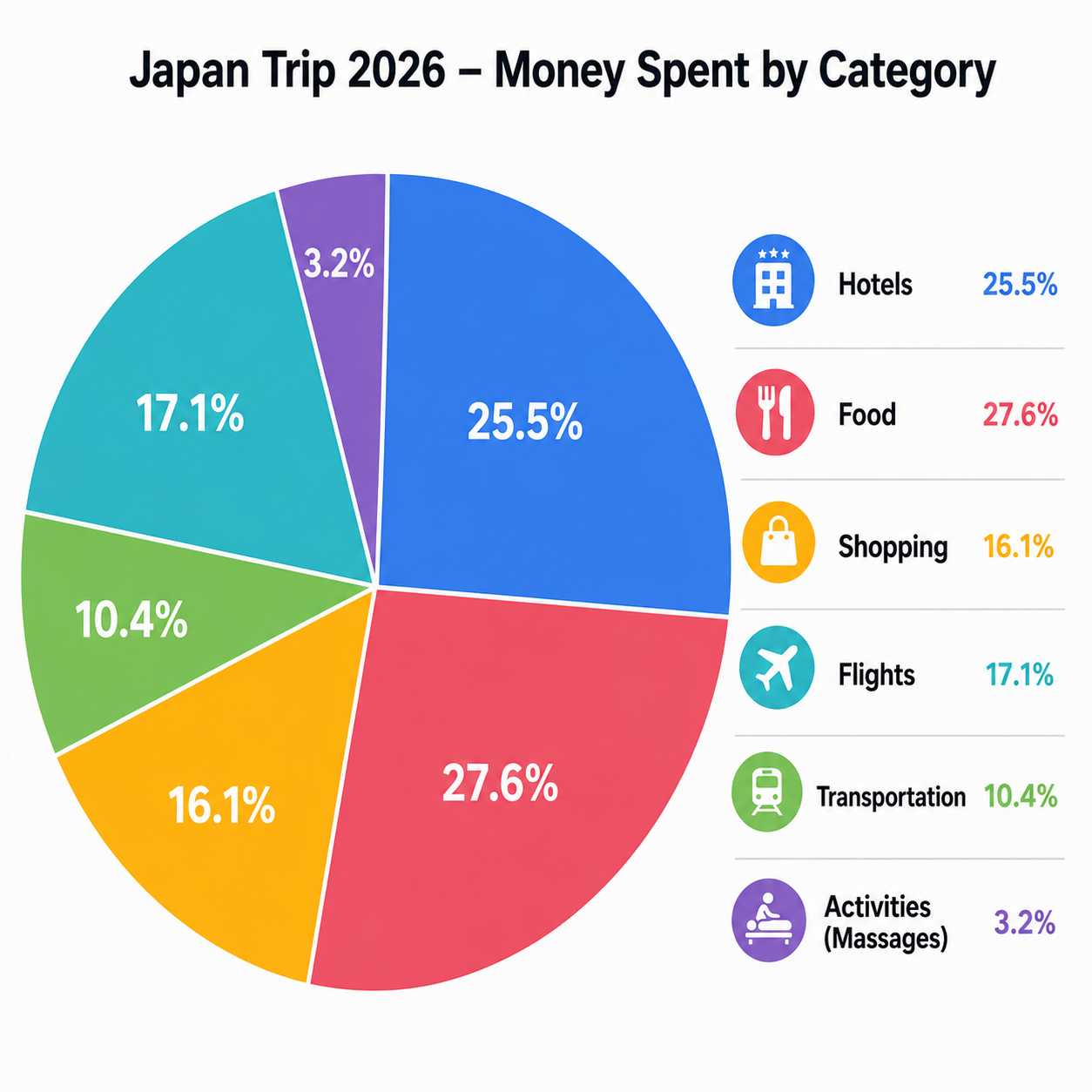
Would We Change Anything?
If we did this trip again, we would spend equal time in major cities as smaller destinations. Tokyo is incredible, but after multiple visits, we find ourselves enjoying the smaller towns, food experiences, and unique hotels just as much when we choose the right destinations.
We would happily return to Lake Toya for the inclusive resort, Hakodate for the food, and Tokyo for the big city vibes. We would probably shorten time in Sapporo unless visiting during a special season like cherry blossom or winter.
The biggest lesson from this trip was that Japan rewards wandering just as much as advanced and meticulous planning.


Hi Rachel,This trip write-up is amazing! All the photos are incredible, too!You are brave
LikeLike